 Bellingham
 Siding, Roofing, Windows, and Decks for Barkley Homes
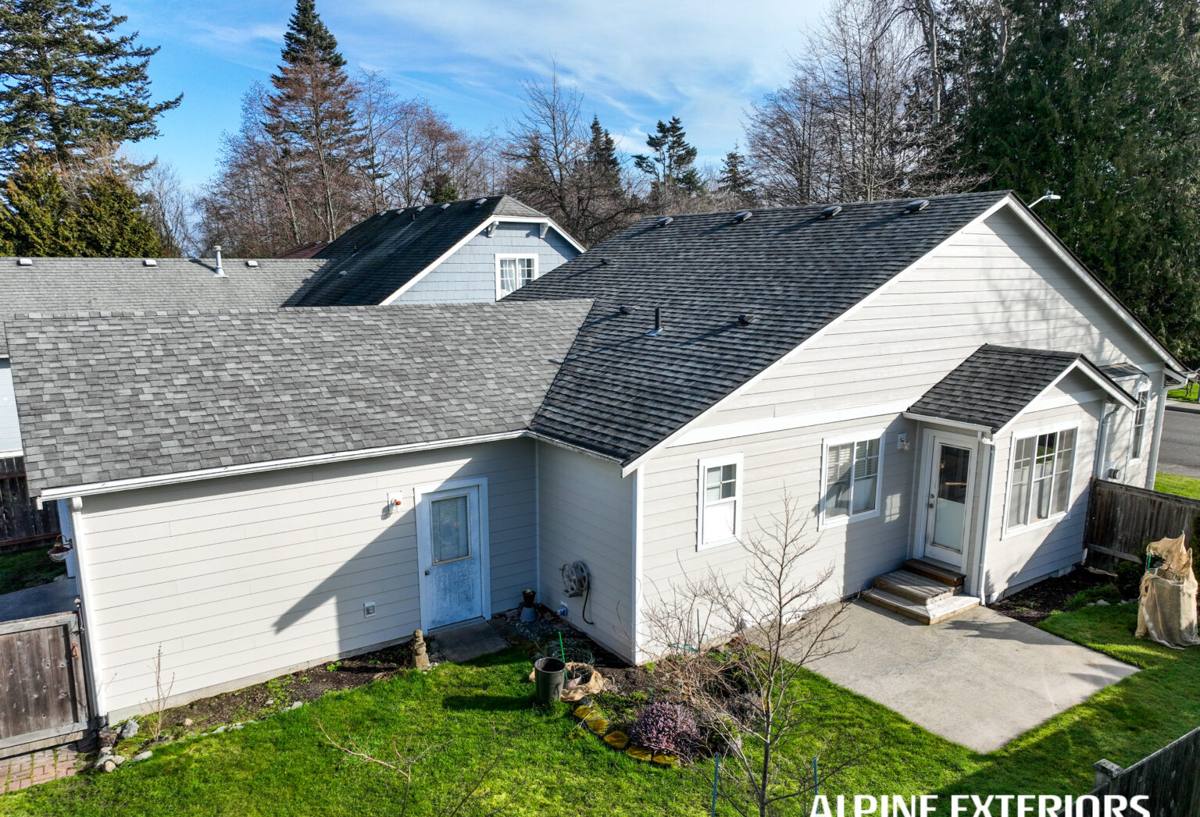
Barkley sits close enough to the water and to I-5 that its homes see a little of everything Whatcom County weather has to offer: wind off Bellingham Bay, long stretches of steady rain, and the kind of damp, shaded microclimates that keep moss and algae going strong for most of the year. Whether a house here was built as part of the newer mixed-use development or is an older place nearby that's been added onto over the years, the exterior takes a real beating from moisture cycling through spring, fall, and winter. We work on siding, roofing, windows, and decks for homeowners in this area, and we look at all four as one system rather than four separate jobs, because on a Pacific Northwest home they all affect each other.
What Bellingham's Climate Actually Does to a House
People who haven't lived on this coast sometimes assume the risk is a single big storm. In reality, the damage here is cumulative. Bellingham gets a lot of moderate rain events, not just a handful of extreme ones, and that means exterior materials spend more days per year wet than dry for large stretches of the fall and winter. Add in the salt-laden air that drifts inland off the bay, and you've got two forces working on a house at once: moisture intrusion and slow material breakdown from airborne salts.
Driving Rain and Wind-Driven Moisture
Wind off the water doesn't just drop rain straight down — it pushes it sideways into wall assemblies, around window and door openings, and up under poorly lapped siding. Over years, a house with marginal flashing details or the wrong siding product for the exposure will show it: soft trim, stained fascia, or paint that won't hold no matter how often it's redone.
Moss, Algae, and the Long Wet Season
Whatcom County's moss season is long because the conditions that grow it — shade, moisture, and mild temperatures — persist most of the year here. Roofs and north-facing siding are the first places it shows up. Left alone, moss and algae hold moisture against a surface far longer than open air would, which accelerates wear on roofing materials and can telegraph through paint on lower-quality siding products.
Salt Air and Material Fatigue
Salt air is corrosive to exposed metal fasteners, flashing, and hardware, and it can also degrade certain paints and coatings faster than an inland climate would. It's one more reason product choice and installation detail matter more here than they would in a drier, calmer region.
Why We Install Only James Hardie Fiber Cement Siding
We made the decision to standardize on James Hardie fiber cement siding and stop installing vinyl, LP SmartSide, and other engineered wood or composite products. That's not a marketing position — it's a response to what we've seen hold up in this climate versus what struggles.
Vinyl siding is inexpensive and easy to install, and for a lot of the country that's a reasonable trade-off. In a marine climate with real wind exposure, though, vinyl can warp, crack in cold snaps, and fade faster under the combination of UV and salt air. It also isn't a great match for the tight seams and rigid look that many Barkley-area homes are going for.
Engineered wood siding products use a wood-strand substrate with a resin coating. When that coating is compromised — at a cut edge, a fastener hole, or a joint that wasn't sealed correctly — moisture can wick into the substrate and cause swelling or softening. In a climate where a wall assembly might stay damp for days at a stretch, that's a real risk, and it puts a lot of weight on flawless installation and long-term caulk maintenance.
James Hardie fiber cement is cement, sand, and cellulose fiber — there's no wood substrate to absorb water and swell. It's also non-combustible, which matters increasingly to insurers and homeowners regardless of region. The ColorPlus factory finish is baked on under controlled conditions rather than applied on site, which gives it better fade and wear resistance than field-applied paint, and Hardie backs it with a strong transferable warranty. None of that means Hardie is maintenance-free or immune to bad installation — it still needs correct clearances, fastening, and flashing to perform — but it gives us a product we can stand behind on a house that's going to sit through decades of this weather.
James Hardie Product Lines We Use
Hardie makes several siding profiles, and the right one for a Barkley home depends on the style of the house and the look the homeowner wants.
- HardiePlank lap siding — the most common choice, available in several exposure widths and smooth or cedar-textured finishes.
- HardieShingle — a shingle-style panel for homes that want that look without the maintenance of real wood shingles.
- HardiePanel — vertical panel siding, often used for accents, gables, or a more modern look.
- HardieTrim — fiber cement trim boards that pair with the siding for a consistent, rot-resistant finish around windows, corners, and fascia.
Hardie's climate-engineered "HZ" formulations are built with regional weather in mind, and for a marine, high-rainfall area like Bellingham, that engineering is part of why we trust the product here specifically — not just in general.
The Full Exterior System: Roofing, Windows, and Decks
Siding doesn't work in isolation. Water that gets past a roof edge, a window flashing, or a deck ledger connection ends up in the same wall cavity that siding is supposed to protect. We handle all four trades so that the details connect correctly rather than being handled by separate crews who never talk to each other.
Roofing
A roof in this area needs to shed water fast and resist moss buildup, with valleys, flashing, and ventilation detailed for a climate where the roof rarely gets a long dry stretch to fully recover between rain events.
Windows
Window replacement is one of the most common places for water intrusion if flashing isn't tied correctly into the siding plane. We integrate window flashing with the siding installation rather than treating them as separate scopes.
Decks
Decks attached to the house need ledger flashing that keeps water from tracking back into the wall or rim joist — a detail that matters even more in a climate where the ledger area rarely gets to dry out completely.
What Working With a Local Crew Looks Like
A local crew that's worked around Bellingham and Whatcom County long enough understands things a national installer might not: how far wind-driven rain travels inland from the bay, which sides of a house take the worst weathering, and how long moss season really runs here. That local knowledge shows up in small decisions — flashing details, product selection, where extra attention goes — that add up to a longer-lasting exterior.
Our process for a Barkley project typically looks like this:
- A no-pressure walk-around to assess current siding, roofing, window, and deck condition.
- An honest conversation about what needs replacement now versus what can wait.
- A written estimate that spells out product, scope, and timeline.
- Installation done to manufacturer spec, with attention to flashing and moisture management at every transition.
- A final walkthrough before we call the job done.
What Drives the Cost of a Siding Project
Every house is different, but the same handful of factors tend to move the price up or down on most projects in this area.
| Factor | Why It Matters |
|---|---|
| Home size and wall complexity | More corners, gables, and dormers mean more cutting, trim, and labor time. |
| Existing siding removal | Tear-off adds cost but also lets us check the sheathing and weather barrier underneath before anything new goes up. |
| Siding profile chosen | Lap, shingle, and panel styles differ in material and labor cost. |
| Trim and detail work | Window surrounds, corner boards, and fascia detail add both material and time. |
| Access and site conditions | Slopes, tight lot lines, or limited staging area can affect labor time and equipment needs. |
| Condition found underneath | Rot or water damage discovered during tear-off may need repair before new siding goes on. |
Simple Maintenance That Extends Exterior Life
Even with a durable product like James Hardie, a little regular attention goes a long way in this climate.
- Rinse siding and trim occasionally to keep salt residue and organic buildup from accumulating.
- Keep gutters clear so overflow doesn't run down the siding face repeatedly.
- Trim back vegetation and tree cover that keeps shaded siding areas from ever fully drying.
- Watch for moss starting on the roof or north-facing walls and address it before it spreads.
- Re-caulk around windows, trim joints, and penetrations as needed — caulk is a maintenance item, not a one-time fix.
- Have decks and their ledger connections checked periodically for signs of moisture behind the attachment point.
Ready to Talk About Your Barkley Home?
If you're weighing a siding, roofing, window, or deck project on a Barkley-area home, we're happy to take a look and give you a straightforward, no-pressure assessment of what your exterior actually needs. Use the form below to request a free estimate, and we'll walk you through what we see and what your options look like.