 Bellingham
 Bellingham's Climate Is Rough on Columbia Roofs
Columbia is a leafy, established neighborhood close to downtown Bellingham, and like the rest of Whatcom County it sits in a climate that doesn't give a roof much of a break. Moist air off Bellingham Bay carries salt that speeds up corrosion on fasteners, flashing edges, and any exposed metal roofing. Driving rain off the Sound — the sideways kind that shows up with a fall or winter front — finds every weak seam, nail pop, and worn flashing joint a roof has. And because so many lots in this neighborhood have mature tree cover, roofs here spend a long moss season shaded and damp, sometimes eight or nine months of the year, instead of the shorter drying window a roof on a wide-open, sunny lot gets.
None of that means a Columbia roof is doomed to constant problems. It means repair work has to account for those specific conditions. A patch that would hold up fine in a drier climate can fail within a season here if it doesn't address moisture, airflow, and moss the right way.
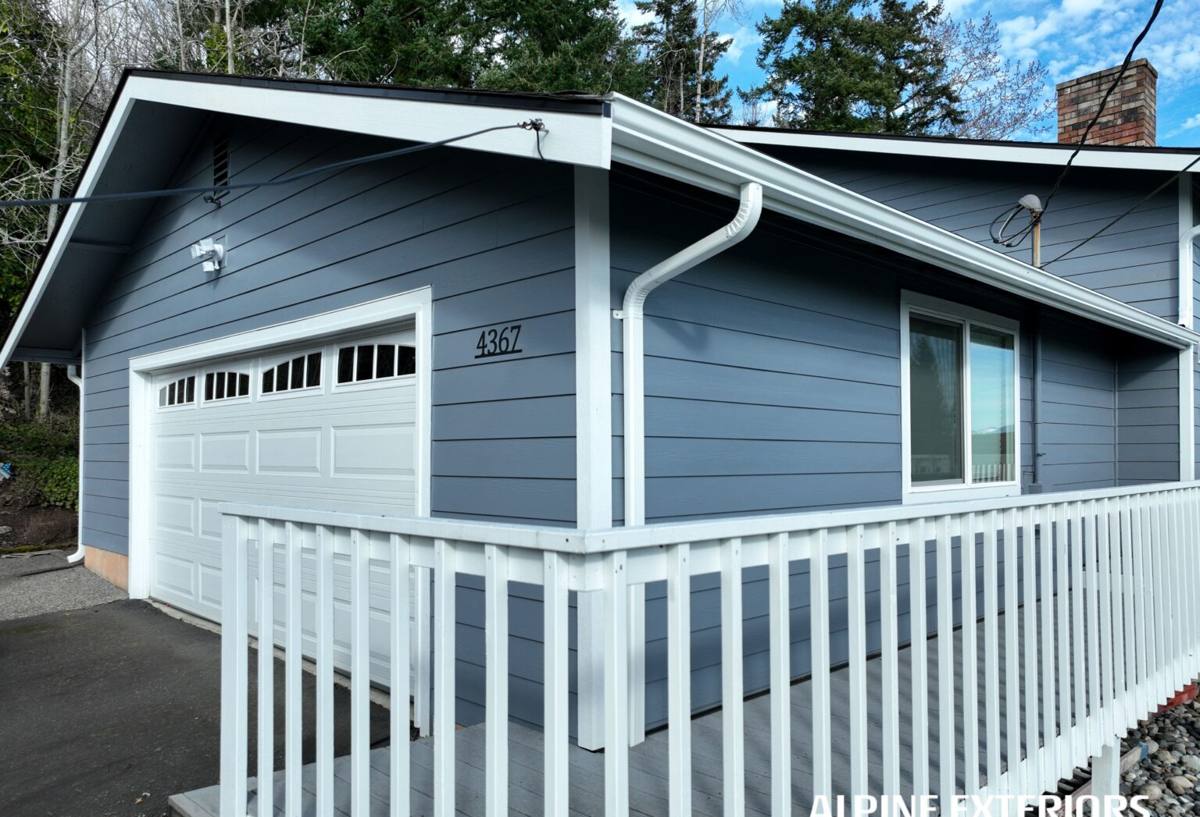
Warning Signs Columbia Homeowners Notice First
On the Roof Surface
Dark streaking and thick moss mats on the north-facing or shaded slopes are usually the first thing people notice, especially on roofs tucked under trees. Curled or lifted shingle edges, bare patches where granules have washed off, and rusty streaks below nail heads or flashing are all signs the surface is past due for attention. On cedar shake roofs, look for shakes that have gone gray and brittle, split lengthwise, or are visibly thinner than the shakes around them.
Inside the Attic and Ceilings
Leaks rarely show up right where the water gets in — it travels along rafters and sheathing before it drips. A brown ring on a ceiling, a musty smell in a closet under the roofline, or damp insulation in the attic all point to a roof problem that's already been going on for a while. Catching it at this stage, rather than waiting for an active drip, is what keeps a repair a repair instead of a much bigger job.
What a Correct Roof Repair Actually Involves
A roof repair done right starts with figuring out why the failure happened, not just covering the spot where water is showing up. Water intrusion almost always has an entry point somewhere upslope or to the side of where the stain appears, and a repair that only addresses the visible symptom tends to come back within a year or two.
A proper repair typically means:
- Tracing the leak or damage back to its actual source, including checking flashing, valleys, penetrations, and underlayment, not just the shingles or shakes on the surface
- Removing and replacing damaged material back to sound decking, rather than layering new material over compromised sheathing
- Matching the repair material as closely as possible in type, weight, and exposure to what's already on the roof, so it weathers and drains consistently
- Re-flashing any valleys, chimneys, skylights, or wall intersections that were disturbed or found to be the actual cause
- Confirming attic ventilation isn't trapping moisture against the underside of the new work
Skipping any of those steps is how a roof ends up with a string of small repairs that never actually solve anything.
Moss, Algae, and the Long Wet-Season Cycle
Why Shade Makes It Worse
Moss needs moisture and shade to establish, and a lot of Columbia's tree-lined streets provide plenty of both. Once moss gets a foothold on a roof, its root structure lifts shingle edges and shake butts just enough to let water track underneath, which is a slower but just as damaging path to a leak as a cracked flashing joint. Left alone through a wet Whatcom County winter, a light moss dusting can turn into a thick mat within a year or two.
How We Treat It
Moss control on an existing roof is a combination of physical removal, treatment, and prevention, not a one-time power wash. We remove built-up moss by hand or with low-pressure methods that won't strip granules or crack aging shake, apply a treatment appropriate to the roofing material, and, where it makes sense, install zinc or copper strips near the ridge so rain carries trace metal ions down the roof slope to slow regrowth. None of that eliminates moss forever on a shaded roof — it resets the clock and buys the roof several more seasons before it needs attention again.
Repair or Replace? How We Make the Call
Not every roof problem in Columbia needs a full replacement, and not every roof is a good candidate for another round of patching. We look at a handful of factors together, not any one in isolation.
| Factor | Leans Toward Repair | Leans Toward Replacement |
|---|---|---|
| Age of roofing material | Well within its expected service life | At or past the end of its typical lifespan |
| Extent of damage | Isolated to one area or slope | Widespread across multiple slopes |
| Decking condition | Sound and dry under the damaged section | Soft, delaminated, or rotted in several areas |
| Moss and moisture history | First real issue, otherwise well maintained | Repeated moss buildup and past leaks |
| Ventilation and attic condition | Adequate airflow, dry insulation | Chronic condensation or trapped moisture |
Cost is naturally part of the conversation too. A localized repair on a roof that's otherwise in decent shape often lands in the few-hundred to low-thousand-dollar range depending on scope and material; a full replacement is a much larger investment but resets the clock on everything at once, including flashing, underlayment, and ventilation. We'll always tell you honestly which side of that line your roof is on, and why.
Our Roof Repair Process, Start to Finish
- Inspection: we get on the roof and in the attic, not just a look from the ground, and identify the actual source of the problem
- Written scope: we explain what we found, what caused it, and what the repair will and won't include, in plain language
- Material matching: we source repair material that matches the existing roof as closely as possible
- The repair itself: removal of damaged material back to sound decking, proper flashing and underlayment work, and reinstallation to match the surrounding roof
- Cleanup: old material, fasteners, and debris are cleared from the roof, gutters, and ground
- Final check: we walk the repair with you and confirm it addressed what we identified in the inspection
Materials and Methods We Standardize On
Composition Shingle
For asphalt composition roofs, we match shingle weight and exposure to the existing field, and we're careful about nailing pattern and flashing integration — those two things cause more early failures than the shingle product itself.
Cedar Shake
Cedar shake is common on older homes around Bellingham and looks great when it's maintained, but it demands more attention in a wet climate than composition roofing does. We replace individual shakes rather than large sections wherever the surrounding material is still sound, and we pay close attention to interlayment and spacing so water sheds the way it's supposed to instead of wicking into end grain.
Metal Flashing and Fasteners
Because of the salt air off the bay, we standardize on corrosion-resistant flashing and fastener specifications on repair work, even when it costs a little more than the minimum. Cutting corners on flashing metal in a coastal climate is one of the most common reasons a roof repair doesn't last, and it's not a place we're willing to save a homeowner a small amount of money at the cost of the repair failing early.
Why Hiring a Crew That Already Works Columbia Matters
A roofing crew that regularly works in this neighborhood already has a feel for how the tree cover, the moisture patterns, and the mix of older and newer homes here affect roof performance. That translates into faster, more accurate diagnosis — we're not guessing at how a Bellingham winter treats a given roof type, because we've already seen it firsthand on homes nearby. It also means we understand what Whatcom County's weather does to a roof over multiple seasons, not just what a single inspection snapshot shows.
Local also means accountability. If a repair doesn't hold up the way it should, we're not driving in from out of the area — we're a call away and familiar with the property.
A Practical Pre-Winter Checklist for Columbia Roofs
Before the wet season sets in, it's worth doing a quick check yourself so small issues don't turn into bigger ones over a long winter:
- Look up at the roof from the ground for obvious moss mats, dark streaking, or missing shingle pieces
- Check gutters and downspouts are clear so water isn't backing up under roof edges
- Look for daylight or staining around chimneys, skylights, and roof vents from inside the attic if it's accessible
- Note any ceiling stains, even faint ones, and when they were first noticed
- Trim back tree limbs that are resting on or overhanging the roof surface
- Check that attic vents aren't blocked by insulation or debris
If any of those turn up something, catching it in fall before the heavy rain arrives is almost always cheaper and simpler than dealing with it mid-winter.
If you're seeing moss buildup, a stain on a ceiling, or just want an honest read on where your roof stands, we're happy to take a look and put together a free, no-pressure estimate — no obligation either way.