 Bellingham
 Why Columbia Roofs Wear Differently Than Roofs Inland
A roof in the Columbia neighborhood doesn't age the same way a roof in a drier, inland part of the country does. Bellingham sits close enough to Bellingham Bay and the Salish Sea that salt-laden air is a constant, low-grade factor in how fast metal fasteners corrode, how quickly algae and moss take hold, and how much moisture a roof assembly has to shed over the course of a year. Add Whatcom County's long stretch of driving rain each fall and winter, plus a moss season that can run from late fall well into spring, and you get a roofing environment that punishes shortcuts.
None of this means Columbia homes need exotic materials or unusual designs. It means the ordinary parts of a roof replacement — underlayment choice, flashing detail, ventilation, and moss-resistant products — have to be done right, because a marginal install here shows its weaknesses years sooner than the same install would somewhere drier.
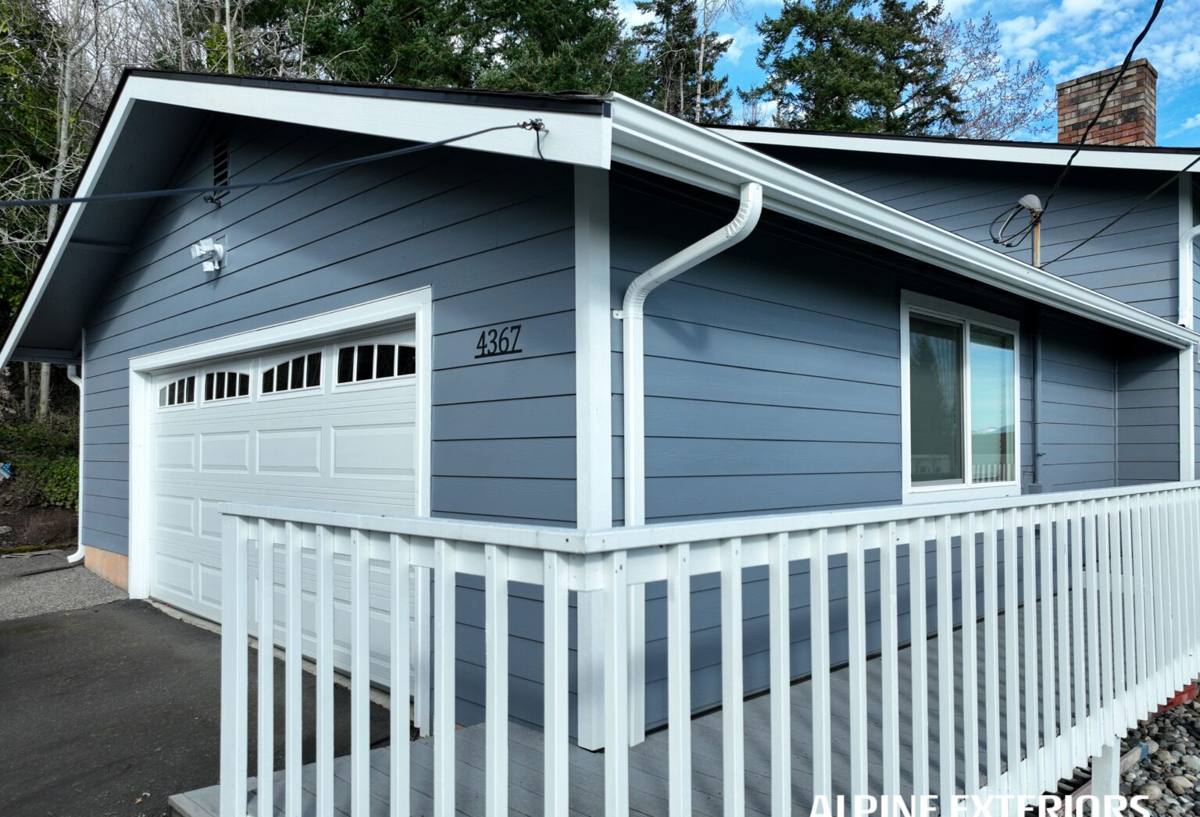
Signs a Columbia Home Needs Replacement, Not Another Repair
Most homeowners call us after a leak, but by the time water is visibly coming through a ceiling, the roof has usually been failing quietly for a while. Look for these signs before it gets to that point:
- Granules collecting in gutters or at downspout outlets, especially after a hard rain
- Shingles that are cupping, curling at the edges, or visibly thinning
- Moss or algae streaking that comes back within a season or two of cleaning
- Soft spots in the decking you can feel when walking the roof
- Daylight visible through the attic roof boards, or damp insulation below them
- Flashing around chimneys, vents, or skylights that's rusted, lifted, or caulked over repeatedly
One or two of these on a roof that's otherwise in good shape usually calls for a repair. Several at once, or a roof that's already past 20-25 years on standard asphalt shingles, is a sign that patching is just delaying the same conversation.
What a Correct Roof Replacement Actually Involves
Full Tear-Off, Not a Layover
We remove the existing roofing down to the decking rather than layering new shingles over old ones. A layover hides the condition of the deck and traps moisture between layers — a real problem in a climate where the roof rarely gets a long stretch of dry weather to fully vent trapped humidity.
Deck Inspection and Repair
Once the old material is off, we check the sheathing for soft, delaminated, or rotted sections, usually concentrated near valleys, eaves, and old flashing points. Any bad decking gets replaced before anything new goes down. Skipping this step is the single most common cause of a "new" roof failing early.
Underlayment Built for Wet Weather
We use synthetic underlayment rather than traditional felt on Columbia projects. Synthetic sheds water better if a storm rolls in mid-project, resists tearing and wrinkling, and holds up longer as a secondary barrier if wind ever drives rain up under a shingle tab.
Flashing Detail
Step flashing at walls, counter-flashing at chimneys, and proper flashing at valleys and vent penetrations matter more here than the shingle brand does. The majority of roof leaks we find on older Columbia homes trace back to flashing that was reused, undersized, or caulked instead of properly lapped.
Moss-Resistant Materials at the Ridge
Given how long moss season runs in Whatcom County, we install zinc or copper-content ridge strips or cap products on most replacements. They release trace metal ions with rain that inhibit moss and algae regrowth along the ridge line, which is typically where moss establishes first and spreads downhill.
Choosing the Right Roofing Material for This Climate
Material choice on a Columbia roof is really a trade-off between upfront cost, maintenance, and how well the material handles sustained moisture exposure.
| Material | Typical Lifespan Here | Moss/Algae Behavior | Maintenance Burden |
|---|---|---|---|
| Architectural asphalt shingle | 25-30 years | Resists well with algae-resistant granules; moss can still take hold in shaded, north-facing sections | Low to moderate |
| 3-tab asphalt shingle | 15-20 years | Less algae resistance than architectural lines | Moderate |
| Standing seam metal | 40-50+ years | Sheds moss well due to smooth, sloped surface | Low |
| Cedar shake | 20-25 years with upkeep | Prone to moss and moisture retention in shaded, damp spots | High |
We install architectural asphalt shingles and standing seam metal as our primary products on Columbia homes. We generally steer clients away from cedar shake as a first recommendation in this specific climate — not because it's a bad product on its own, but because untreated wood shakes hold moisture longer than composite or metal in a marine-influenced, low-sun-exposure setting, which shortens their real-world life and adds a recurring maintenance and moss-treatment cost most homeowners don't want to sign up for. If a homeowner wants the look and understands the upkeep, we'll still discuss it honestly rather than talk anyone out of a preference.
Our Roof Replacement Process
- On-site inspection. We walk the roof and attic, check the decking where accessible, and document flashing and ventilation conditions.
- Written estimate. You get a clear scope: material, underlayment, flashing plan, any decking allowance, and a firm price — no vague allowances buried in fine print.
- Scheduling around the weather. We plan tear-off days around Bellingham's forecast windows rather than guessing, and we keep the roof dried-in with underlayment the same day it's exposed.
- Tear-off and deck repair. Old material comes off, decking gets inspected and repaired, and debris is contained and hauled off the same day where possible.
- Installation. Underlayment, flashing, starter course, field shingles or panels, and ridge products go on per manufacturer specification.
- Cleanup and walkthrough. Magnetic sweep for nails, a final walkthrough with you, and warranty paperwork.
Ventilation and Moisture Control: The Part You Don't See
A new roof surface can still fail early if the attic underneath it can't breathe. Balanced intake at the eaves and exhaust at the ridge lets moist air escape instead of condensing on the underside of the decking — condensation that, over a few wet Whatcom County winters, rots sheathing from the inside. We check existing ventilation on every replacement and correct it as part of the job when it's inadequate, rather than treating it as a separate upsell.
What Roof Replacement Costs Depend On
We don't post fixed prices because so much depends on the specific roof, but the real cost drivers are consistent across every job we bid in the Bellingham area:
| Factor | Why It Matters |
|---|---|
| Roof size and pitch | Steeper roofs take longer to work safely and use more material per square |
| Number of layers to remove | Older homes with a layover need extra tear-off labor and disposal |
| Decking condition | Rot found after tear-off is priced as an allowance, not guessed at upfront |
| Material choice | Architectural shingle, metal, and specialty ridge products all price differently |
| Roof complexity | Valleys, dormers, skylights, and multiple penetrations add flashing labor |
| Access | Steep lots or limited driveway access can affect staging and disposal costs |
Why a Crew That Already Works Columbia Matters
Roofing in Whatcom County isn't just a matter of technique — it's timing and local knowledge. A crew that regularly works Columbia and the surrounding Bellingham neighborhoods knows how to read the rain forecast for this specific stretch of coastline, knows which materials actually hold up against the salt air and moss cycle here rather than in a catalog climate, and is familiar with the City of Bellingham's permitting and inspection process for roof replacement, which keeps a project from stalling on paperwork. That local familiarity is also what lets us give you an honest timeline instead of an optimistic one, and it's why we can stand behind flashing and ventilation details that are sized for this climate rather than a generic spec sheet.
After the Install: A Quick Maintenance Checklist
A correctly installed roof still benefits from basic upkeep, especially given how long moss season runs here:
- Clean gutters and downspouts at least twice a year, more often under overhanging trees
- Have moss or algae growth treated at the first sign, rather than waiting for it to spread
- Trim back branches that shade the roof and keep it damp longer after rain
- Check attic ventilation isn't blocked by insulation or storage after any attic work
- Schedule a quick visual inspection after major windstorms
If your Columbia home's roof is showing its age or you just want an honest read on where it stands, we're happy to take a look. Fill out the form below for a free, no-pressure estimate.