 Bellingham
 Why South Hill Decks Take a Different Kind of Beating
South Hill sits above downtown Bellingham, and a lot of the properties up here get exactly what people move to this part of Whatcom County for: a view toward the bay, tree cover, and some real elevation. That same position exposes a deck to weather that a lot of manufacturers never designed for. Wind off Bellingham Bay carries salt air into the neighborhood, rain here comes in sideways as often as it comes straight down, and the stretch from fall through spring keeps north- and shade-facing surfaces damp for weeks at a stretch. A deck that sits outside in that all year is a different build than one going up somewhere dry, and it should be treated that way starting at the footings, not just at the finish.
None of this means a South Hill deck is stuck fighting a losing battle against the weather. It means the fastener grade, the flashing detail, the board choice, and the airflow underneath the structure all need to be picked for what actually happens on this hill through a wet Whatcom County winter — not for what looks good in a catalog photo shot somewhere drier.
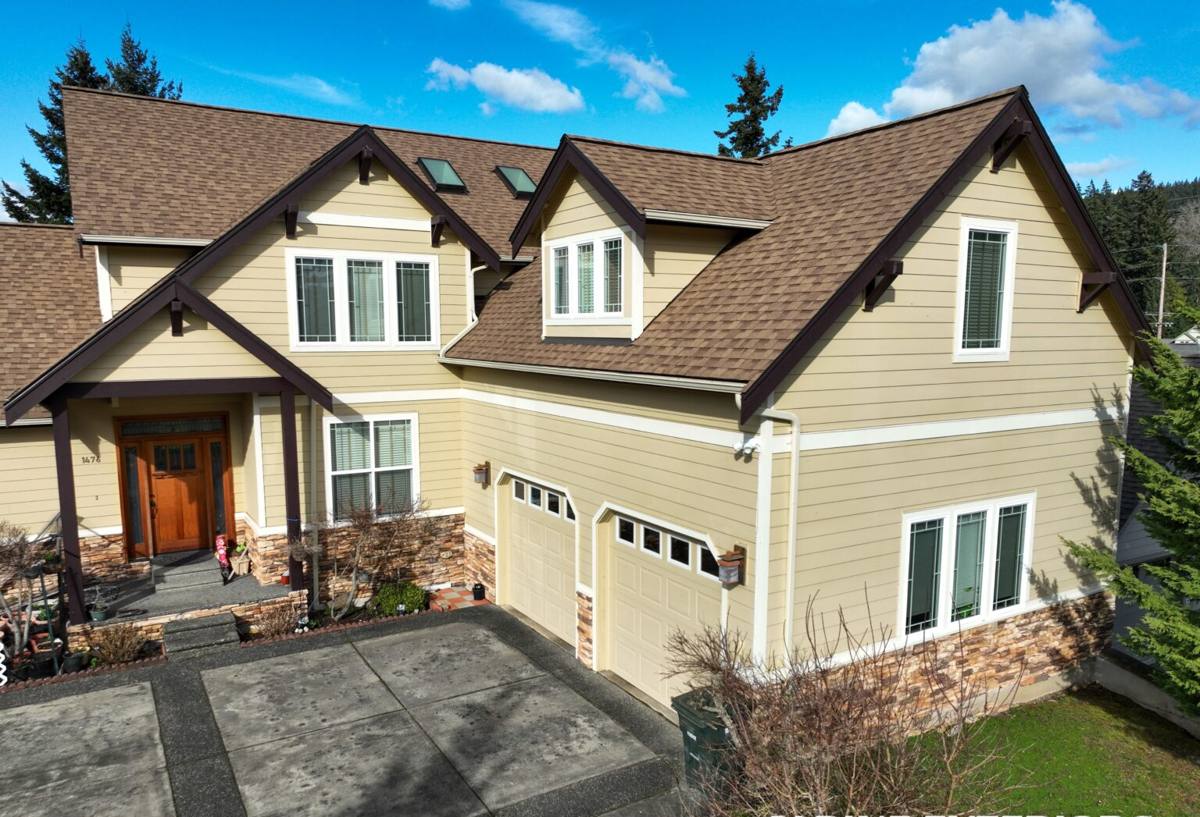
What a Deck Built for This Climate Actually Needs
Ledger Flashing Where the Deck Meets the House
Most of the failing decks we get called out to look at have the same starting point: the ledger board, where the deck attaches to the house framing. If that joint isn't flashed correctly with metal that sheds water away from the wall instead of letting it wick in behind the siding, you get slow, hidden rot that stays invisible until the deck feels spongy or starts pulling away from the house. In a climate with this much sustained rain, that flashing detail isn't a finishing touch — it's the single most important connection in the whole structure.
Fasteners and Hardware
Salt air moving up off the bay speeds up corrosion on anything short of a fully rated fastener. We build with stainless or hot-dip galvanized structural hardware — joist hangers, bolts, structural screws — rated for coastal exposure, not the standard coated hardware that holds up fine further inland but starts staining, weeping rust, and losing strength within a few wet seasons here.
Board Spacing and Drainage
Gapping between boards matters more in a wet climate than a dry one. Too tight, and the gaps trap moisture, needles, and debris — exactly what feeds moss and speeds up decay underneath the surface. We set spacing to actually drain, and we make sure whatever is under the deck isn't just bare, low soil holding water against the framing all winter.
Composite, Cedar, or Pressure-Treated: What Actually Holds Up Here
There's no universally "right" decking material — there's a right material for a given budget, sun exposure, and how much upkeep a homeowner actually wants to do. In a South Hill yard with tree cover and long wet stretches, the trade-offs below matter more than they would in a drier climate.
| Material | Upfront Cost | Behavior in Our Wet Climate | Typical Upkeep |
|---|---|---|---|
| Pressure-treated wood | Lowest | Prone to moss, splitting, and graying without regular sealing | Annual cleaning and re-sealing |
| Cedar | Mid-range | Naturally moisture- and insect-resistant, but still needs finish upkeep to hold its color and shed water | Cleaning plus periodic oil or stain |
| Composite / capped composite | Highest | Won't rot or splinter; still needs cleaning where moss and algae land on shaded boards | Occasional washing, no sealing |
We'll walk through this trade-off honestly during design — composite costs more up front but takes moisture and moss out of the maintenance equation almost entirely, which matters a lot on a shaded South Hill lot. Cedar and pressure-treated wood are both legitimate choices too, as long as the homeowner knows the upkeep that comes with them here.
Building on South Hill's Slopes and View Lots
A lot of South Hill sits on a grade, and a lot of the lots were built specifically to take advantage of a view toward the bay or the islands. That means many of the decks we build in this neighborhood aren't simple ground-level platforms — they're elevated structures with real height below them, multiple levels, or stairs working their way down a slope. That changes the engineering, not just the look.
Footings on a Slope
Footings have to be sized and placed for the actual soil and grade on the lot, not for a flat-yard assumption, and they still need to go below frost depth regardless of how mild our winters usually run. On a hillside lot, that often means deeper footings, or more of them, than a flat-yard deck of the same size would ever need.
Guardrails and Stair Design
Any walking surface more than 30 inches above grade needs a code-compliant guardrail, and on a sloped lot that threshold gets crossed faster than most homeowners expect. We design rail height and baluster spacing to current code from the start of the drawings, rather than treating the railing as an afterthought once the deck surface is already down.
The Moss and Mildew Problem
Whatcom County's moss season runs long, and a horizontal wood or composite surface under tree cover is close to ideal for it. That's not just a cosmetic issue — moss and algae hold moisture against the board surface and can turn stairs and ramps genuinely slick and dangerous underfoot. Two things control how bad it gets: how much sun and airflow the deck actually receives, and how easy the surface is to clean without damaging the finish.
We take sun exposure and tree cover into account when we lay out the deck and pick materials, and we build in enough clearance underneath so air can move instead of trapping ground moisture against the joists.
Permits and Code in Bellingham
Most new decks and any significant deck rebuild in the City of Bellingham or unincorporated Whatcom County need a permit, with inspections at set points in the build — typically footings, framing, and final. We handle the permit application and schedule those inspections around the same details an inspector is actually going to check: ledger attachment, footing depth, joist spacing, and guardrail height. Skipping this step is one of the costlier mistakes a homeowner can make on a deck project, since unpermitted work can turn into a real problem at resale or with insurance down the road.
How We Work on a South Hill Deck Project
The process is straightforward, and we keep it that way on purpose — a deck project shouldn't feel like a mystery from the homeowner's side.
- On-site visit to look at the grade, sun exposure, tree cover, and how the deck will attach to the house.
- Design and material discussion, including an honest look at the cost and upkeep trade-offs above.
- Permit drawings prepared and submitted to the City of Bellingham or Whatcom County, as applicable.
- Footings and framing built and inspected before any decking goes down.
- Decking, railing, and finish work completed to the agreed design.
- Final walk-through covering how to care for the specific materials used.
Keeping a South Hill Deck in Good Shape Year After Year
A well-built deck still needs some seasonal attention in this climate. None of it is complicated, but skipping it is how moss, rot, and loose hardware get a head start.
- Sweep debris out of board gaps before fall rains set in, so water can keep draining instead of pooling on trapped leaves and needles.
- Rinse off moss and algae as soon as it appears, rather than waiting until it's established and slick.
- Check railing and stair hardware once a year for movement or corrosion, especially on hardware closer to the bay-facing side of the house.
- Re-seal or re-stain wood decking on the schedule the finish manufacturer recommends — don't wait for it to look obviously gray and dry.
- Keep gutters and downspouts near the deck clear so runoff isn't dumping extra water directly onto or under the structure.
- Confirm underneath ventilation hasn't been blocked by stored items, planters, or added skirting.
Why Hiring a Crew That Already Works in South Hill Matters
A deck built for South Hill's specific mix of elevation, tree cover, and marine weather looks the same as a generic deck on the day it's finished. The difference shows up two or three winters later, in whether the ledger stays dry, whether the hardware is still solid, and whether the surface stays usable instead of slick. A crew that already works this hillside knows which yards hold moisture longest, which slopes need extra footing work, and which details actually matter for a Whatcom County winter versus a builder's manual written for a different climate entirely.
If you're weighing a new deck or a rebuild in South Hill, we're happy to come take a look at the site, talk through material options honestly, and put together a free, no-pressure estimate — just fill out the form below.