 Bellingham
 Deck Repair Built for Columbia's Older Homes and Wet Climate
The Columbia neighborhood is one of Bellingham's more established residential areas, and that shows in its decks. A lot of the outdoor structures we get called out to here were built years ago, often in wood species and with fastening methods that made sense at the time but don't hold up as well against decades of Pacific Northwest weather. Add in mature tree cover on many lots, and you get a recipe for slow, steady deck deterioration that's easy to miss until it becomes a safety issue.
We repair decks throughout Columbia and the surrounding Bellingham area, and we see the same failure patterns often enough that we can usually tell you what's wrong before we even pull up a board. This page walks through what local decks actually need, what a correct repair looks like, and how we handle the job from first look to final cleanup.
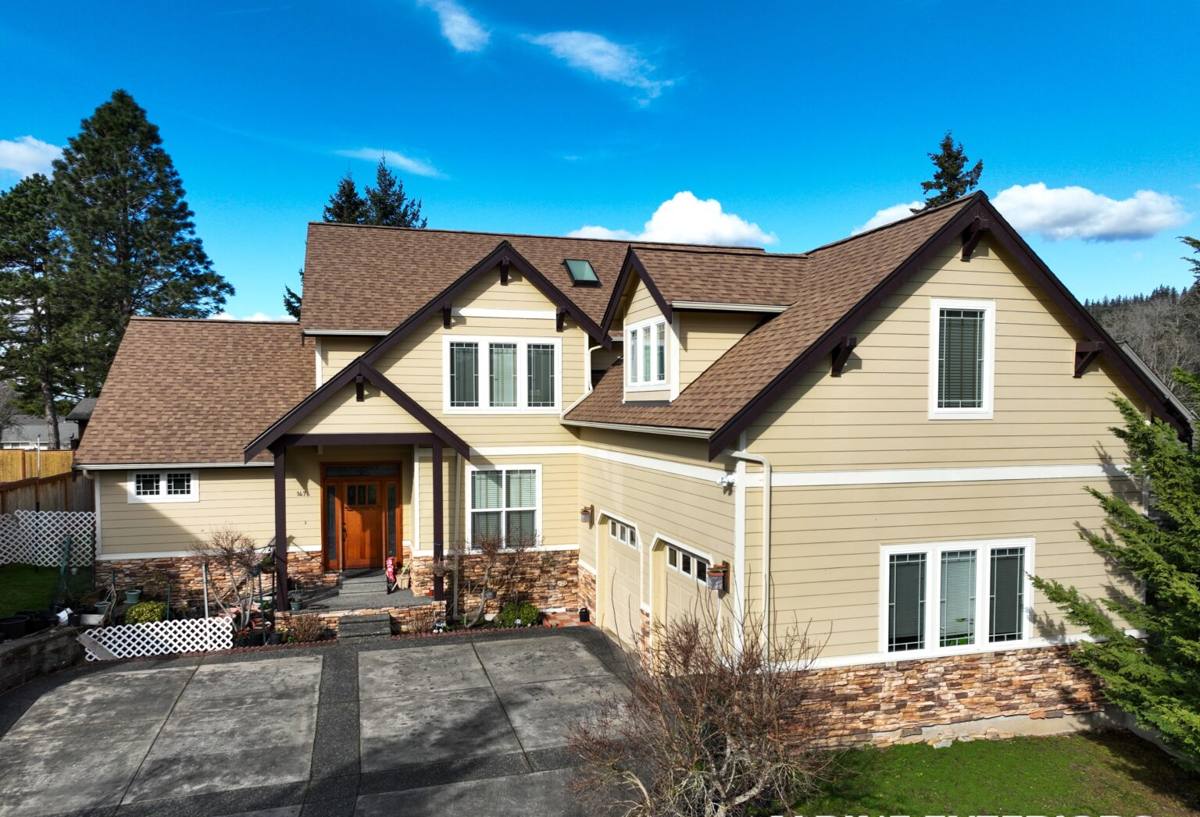
Why Whatcom County Weather Is Hard on Decks
Bellingham sits close enough to the water that salt-laden air reaches inland neighborhoods like Columbia more than most homeowners realize. Combine that with our long stretch of driving rain from fall through spring, and you have two separate forces working against every fastener, ledger board, and joist on your deck.
Salt Air and Fastener Corrosion
Salt air accelerates corrosion in metal hardware — nails, screws, joist hangers, and bolts. Once a fastener starts to rust, it loses holding strength long before the rust is visible on the surface. On older decks built before corrosion-resistant hardware was standard, this is one of the most common hidden problems we find.
Driving Rain and Water Intrusion
Rain that comes in sideways gets pushed into places a straight-down rain never would — under railing caps, behind fascia boards, and into the ledger connection where the deck meets the house. That ledger connection is the single most safety-critical joint on any deck, and it's also the one most prone to hidden rot because it's rarely inspected once the deck is built.
Moss, Algae, and the Long Wet Season
Whatcom County's moss season runs long — often eight months or more in shaded, tree-covered yards typical of Columbia. Moss and algae hold moisture against the wood surface, which keeps boards damp far longer than they'd otherwise be. Over time this softens the wood fibers, accelerates rot, and makes the deck surface slick and dangerous underfoot.
Signs Your Deck Needs Repair
Most deck problems don't happen all at once. They show up as small signals first. Here's what we tell Columbia homeowners to watch for between our visits:
- Boards that feel spongy, springy, or soft when you walk on them
- Visible gaps opening up between decking boards or at the ledger
- Railings that wiggle or flex when you lean on them
- Rust streaks running down from screw heads or hardware
- Dark staining or a persistent green/black film on the surface, especially in shaded spots
- Stairs that feel less solid than they used to, or steps that have started to slope
- Gaps or separation where the deck meets the house wall
- A musty smell coming from underneath the deck
Any one of these on its own might be minor. Two or three together usually means it's time for a proper inspection before the damage spreads further into the structure.
What a Proper Deck Repair Actually Involves
A lot of "deck repair" in this region amounts to replacing a few obviously bad boards and calling it done. That fixes what you can see, but it often leaves the cause of the damage untouched — which means the same spot fails again in a year or two. We approach repairs structurally, from the ground up.
Structural Inspection First
Before we replace anything, we check the parts of the deck you don't normally see: the ledger board attachment, the posts and footings, the joists, and the flashing (or lack of it) where the deck ties into the house. This is where the real safety issues live, and it's the part a surface-level repair skips entirely.
Ledger Board and Flashing
If the ledger board — the piece bolted to your house that carries much of the deck's weight — shows rot or was never properly flashed to shed water, we address that first. A deck can look fine on top and still be unsafe if this connection has failed.
Joists, Posts, and Footings
We check for soft or cracked joists, posts that have shifted or settled, and footings that may have moved with ground saturation over wet Whatcom County winters. These get repaired or reinforced before any new decking goes down on top of them.
Decking, Railings, and Stairs
Once the structure underneath is sound, we replace damaged decking boards, tighten or rebuild loose railings to current safety standards, and address any stair issues. We also re-fasten with corrosion-resistant hardware appropriate for our coastal-influenced air, not whatever standard hardware happened to be on hand decades ago.
Moss and Surface Treatment
Where moss or algae has been a recurring problem, we clean the surface properly and talk with you about drainage, shade, and finish options that make the next moss season less of a fight.
Repair, Partial Rebuild, or Full Replacement?
Not every deck problem calls for the same fix. Part of our job is being honest with you about which category your deck falls into, since that decision has a real effect on cost and how long the fix will last.
| Situation | Typical Approach | What Drives the Decision |
|---|---|---|
| Isolated board damage, sound structure below | Board-level repair | Structure and ledger test solid on inspection |
| Rot at ledger or several joists, decking otherwise okay | Partial structural rebuild | Framing needs work but posts/footings are sound |
| Widespread rot, failed footings, or age past 20-25 years | Full rebuild | Cost of repeated repairs approaches or exceeds rebuild cost |
| Cosmetic wear, moss staining, minor board cupping | Cleaning, refinishing, spot repair | Structure is sound; issue is surface-level |
We'll never push a full rebuild when a targeted repair will genuinely hold up — but we also won't patch over a structural problem just to keep the price low. If your deck is a genuine safety concern, we'll tell you plainly and explain why.
Decking Material Options for Local Conditions
When boards need replacing, the material choice matters more here than it does in drier climates. Here's how the common options hold up against Bellingham's rain and moss pressure:
| Material | Moisture Behavior | Maintenance | Notes for This Climate |
|---|---|---|---|
| Pressure-treated lumber | Resists rot with proper sealing | Needs re-sealing every 1-2 years | Budget-friendly; upkeep matters most in our wet season |
| Cedar | Naturally moisture- and insect-resistant | Periodic staining/sealing to maintain appearance | Classic look, good regional fit, softer than composite |
| Composite decking | Does not absorb water or rot | Occasional washing to keep algae from clinging to surface | Higher upfront cost, lowest long-term upkeep |
There's no single "right" answer — it depends on your budget, how much maintenance you want to do, and how the deck is situated relative to shade and drainage. We'll walk you through the honest trade-offs for your specific deck rather than steering you toward whatever's easiest for us to install.
Our Repair Process
We keep the process straightforward and try not to waste your time:
- On-site inspection. We check the structure, not just the surface — ledger, framing, footings, and decking.
- Clear written estimate. You'll know what's being repaired, why, and what it costs before any work starts.
- Repair work. Structural issues get addressed first, then decking, railings, and stairs.
- Hardware upgrade. We use fasteners and connectors rated for coastal-influenced, wet climates like ours.
- Cleanup and walkthrough. We clear debris and walk the finished repair with you before we consider the job done.
Maintenance Between Visits
A repaired deck holds up much longer with a little seasonal attention. This is the same checklist we give Columbia homeowners after a repair:
- Sweep leaves and debris off the deck regularly through fall — trapped leaves hold moisture against the boards
- Clean moss or algae film off the surface before it gets a foothold, especially in shaded areas
- Check railings for looseness once or twice a year
- Re-seal wood decking on the schedule recommended for your specific material
- Keep gutters and downspouts clear so runoff isn't draining directly onto or under the deck
- Look underneath the deck occasionally for standing water, soft soil, or signs of rot at the posts
Why Hire a Crew That Already Works Columbia
Deck repair done right depends on understanding how a specific region's weather actually behaves — not just general carpentry skill. Working regularly in Columbia and the wider Bellingham area means we've already seen how ledger boards fail on homes of a certain age, which fastener types hold up against our salt-tinged air, and which parts of a shaded lot stay damp long enough to grow moss ten months a year. That local pattern recognition is what separates a repair that lasts from one that reopens the same problem in a season or two.
We also stand behind the work with straightforward warranty terms, so you know what's covered if something doesn't perform the way it should.
Get a Free, No-Pressure Estimate
If your deck has soft spots, loose railings, or just feels like it's past due for a real look, we're happy to come take a look and tell you honestly what it needs. Fill out the form below for a free estimate — no pressure, no obligation.