 Bellingham
 Windows Built for Happy Valley's Weather, Not Just the Showroom
Happy Valley sits close enough to the water and the hills around it that homes here take a different kind of beating than houses ten miles inland. You get salt-laden air rolling up from Bellingham Bay, long stretches of driving rain that hits window walls sideways instead of straight down, and a moss season that seems to stretch longer every year. Windows are one of the first places that shows up — fogged glass, swollen sashes, frames that won't latch clean, and trim that's gone soft before its time. This page is about what an energy-efficient window job actually needs to look like on a Happy Valley home, not a generic pitch.
We're a Whatcom County siding and exterior crew, and windows come up constantly in our work because the same moisture and wind exposure that damages siding damages window assemblies. A window replacement done without respecting the flashing, the wall assembly behind it, and the specific exposure of the house is a callback waiting to happen.
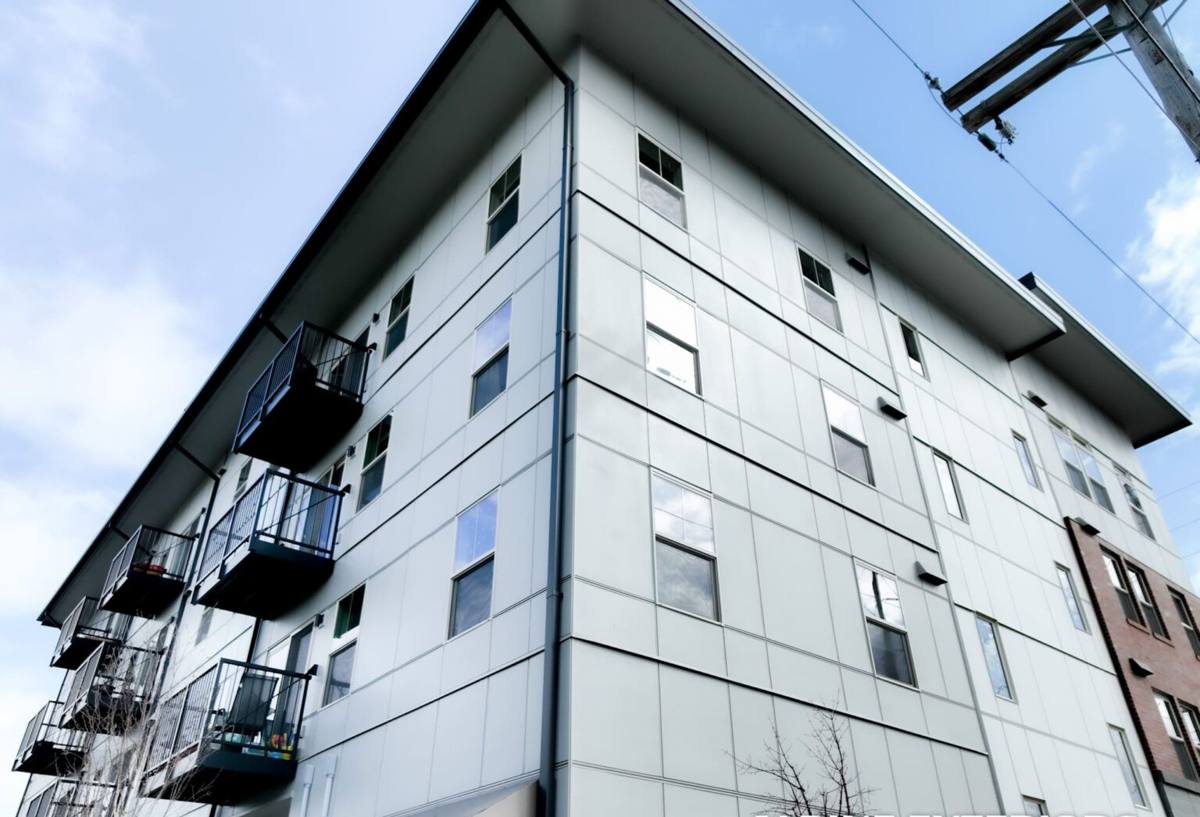
What Bellingham's Climate Actually Does to Windows
Salt Air and Metal Fatigue
Proximity to Bellingham Bay means airborne salt finds its way onto window hardware, aluminum cladding, and fasteners. Over years this accelerates corrosion on lower-grade hardware and can pit unprotected metal components. It's not dramatic — it's slow, and it's why hardware quality and finish matter more here than they would for the same house built forty miles east.
Driving Rain and Wind-Driven Water
Whatcom County storms often come in with real horizontal force. Windows that rely on sealant alone, with no proper flashing and drainage plane behind the frame, will eventually let water track sideways into the wall cavity. This kind of leak is often invisible for a long time — it shows up as soft trim, bubbling paint, or a musty smell in a wall long before you see a stain on glass.
Moss, Shade, and Slow-Drying Surfaces
Many Happy Valley lots have mature trees and hillside shade that keep siding and window trim damp longer after a storm. That extended dry-out time is exactly what moss, algae, and wood rot need. Window sills and the wood trim around older units are common spots for this kind of slow decay, especially on the north and west-facing walls of a house.
Temperature Swings and Condensation
Even in a mild coastal climate, the gap between a cold, wet night and a heated interior is enough to cause condensation on single-pane and older double-pane glass. Persistent condensation between panes is a sign the seal has failed — not a cleaning problem, a window problem.
What "Energy-Efficient" Should Actually Mean Here
Energy efficiency for a Happy Valley home isn't primarily about blocking triple-digit heat — it's about controlling moisture, cutting drafts, and reducing the steady heat loss that comes from long, damp, mild winters where the furnace runs for months at low output rather than short blasts. That changes what matters in a window spec:
- Low-E glass coatings that reduce heat loss through glass while still letting in daylight during our long gray stretches
- Argon or similar gas fill between panes for added insulating value without added bulk
- Warm-edge spacer systems that resist condensation at the glass edge, which is where fogging and frost usually start
- Frame materials and finishes that hold up to salt air and constant moisture cycling without warping or corroding
- Weatherstripping and hardware that seal tight under wind pressure, not just when the house is calm
A window with a great energy rating on paper but a poor installation will underperform a modest window installed correctly. Installation quality and product quality both matter, and neither substitutes for the other.
What a Correct Installation Involves
This is the part that gets skipped when a job is rushed, and it's the part that determines whether a window performs for twenty years or leaks in three.
- Assess the opening. Before anything comes out, we check the existing frame, sill, and surrounding wall for rot, soft wood, or prior water damage. A new window installed into a compromised opening just hides the problem temporarily.
- Remove the old unit carefully. This lets us inspect the sheathing and framing that were hidden behind the old window — often the first real look at how much moisture has been getting in.
- Repair what's underneath. Any soft framing, damaged sheathing, or compromised house wrap gets addressed before the new window goes in. Skipping this step is the single most common cause of "new window, same old leak."
- Flash it correctly. Proper flashing at the sill, jambs, and head — integrated with the house wrap in the right shingle-lap order — is what actually keeps wind-driven rain out. This matters more in our climate than almost anywhere else in the country.
- Set, shim, and fasten to spec. A window that's out of square or under- or over-fastened will bind, leak, or fail early regardless of how good the glass package is.
- Seal and insulate the gap. Low-expansion foam or backer rod and sealant around the frame, sized correctly for the gap — not overfilled, not left open.
- Finish and trim. Exterior trim and caulking done in a way that sheds water rather than trapping it against wood.
Signs a Happy Valley Home Needs Window Attention Now
- Condensation or fog trapped between panes that won't clear
- Visible gaps, drafts, or a cold spot you can feel standing near the window
- Soft, spongy, or discolored trim and sills around the frame
- Moss or algae staining on the sill or the siding just below a window
- Windows that are hard to open, close, or latch — a sign the frame has shifted or swollen
- A noticeable rise in heating costs without other explanation
Repair, Replace, or Reseal? A Cost-Factor Comparison
Not every window problem needs full replacement. Here's how we sort it out:
| Situation | Likely Fix | Relative Cost | Notes |
|---|---|---|---|
| Failed seal, fogging between panes, frame otherwise sound | Glass unit (IGU) replacement | Low-Moderate | Keeps existing frame; only makes sense if frame and flashing are in good shape |
| Drafty but structurally sound frame | Weatherstripping and re-caulking | Low | Short-term help; doesn't fix underlying flashing issues |
| Rotted sill or jamb, water intrusion signs | Full window replacement with wall repair | Moderate-High | Necessary once wood framing is compromised — this is where skipping steps costs the most later |
| Single-pane or very old double-pane throughout house | Whole-house replacement | Highest, but best long-term value | Best return when planned alongside siding or trim work already underway |
Our Process for Happy Valley Jobs
Because we already work throughout this part of Whatcom County, we know the general exposure patterns of the neighborhood — which sides of a house tend to take the worst weather, where moss builds up fastest, and what kind of wall assemblies are common in homes of different ages in the area. That doesn't replace an on-site look at your specific house, but it means we're not starting from zero.
- Walk-through and assessment. We look at each window's condition, the wall assembly around it, and any related siding or trim issues nearby — window problems and siding problems are often connected.
- Honest recommendation. Repair where repair makes sense; replace where replacement is the only real fix. We'll tell you which is which and why.
- Clear, written estimate. No pressure, no vague scope — you see what's being done and why before you commit.
- Installation done to the sequence above. Flashing and moisture management first, glass package second.
- Cleanup and walkthrough. We show you the finished work and how to spot early trouble down the line.
Why It Matters to Hire a Crew That Already Works This Area
Window installation isn't just a product swap — it's an exterior moisture-management job, and moisture management is local knowledge. A crew that mostly works drier inland climates may not think twice about details that are critical here: how far to lap house wrap over flashing, how much drainage capacity a sill needs, or how quickly moss will colonize a north-facing trim board that stays shaded most of the day. We see these conditions on Bellingham and Whatcom County homes regularly, and we build our installs around them rather than treating this as a one-size-fits-all product install.
It also matters for warranty and accountability. A window's manufacturer warranty typically covers the glass and hardware — it does not cover water damage caused by poor flashing or a bad seal at install. That responsibility sits with the installer, which is exactly why installation quality deserves as much scrutiny as the window brand itself.
Get a Straight Answer on Your Windows
If you're dealing with foggy glass, drafts, soft trim, or you're just planning ahead for a Happy Valley home, we're happy to take a look and give you a clear, no-pressure estimate — repair or replace, whichever actually makes sense for your house. Use the form below to get started.