 Bellingham
 Siding Built for Blaine's Coastline, Not Just Any Coastline
Blaine sits about as close to salt water and the Canadian border as a Whatcom County home can get, and that location comes with a specific set of siding problems. Homes here take on wind-driven rain off the Strait of Georgia and Semiahmoo Bay, salt-laden air that corrodes fasteners and finishes faster than it does further inland, and a long, damp shoulder season where moss and algae get a running start on anything that holds moisture. A siding product that performs fine in a drier part of the state can still struggle here. We install James Hardie fiber cement exclusively, and on Blaine homes specifically, that choice is about matching the product's real-world behavior to this particular stretch of coastline.
This page is about one job in one place: James Hardie siding installation and replacement for homes in and around Blaine. We're not going to cover every product line or every part of Whatcom County — just what matters if you own a home here and you're looking at your siding.
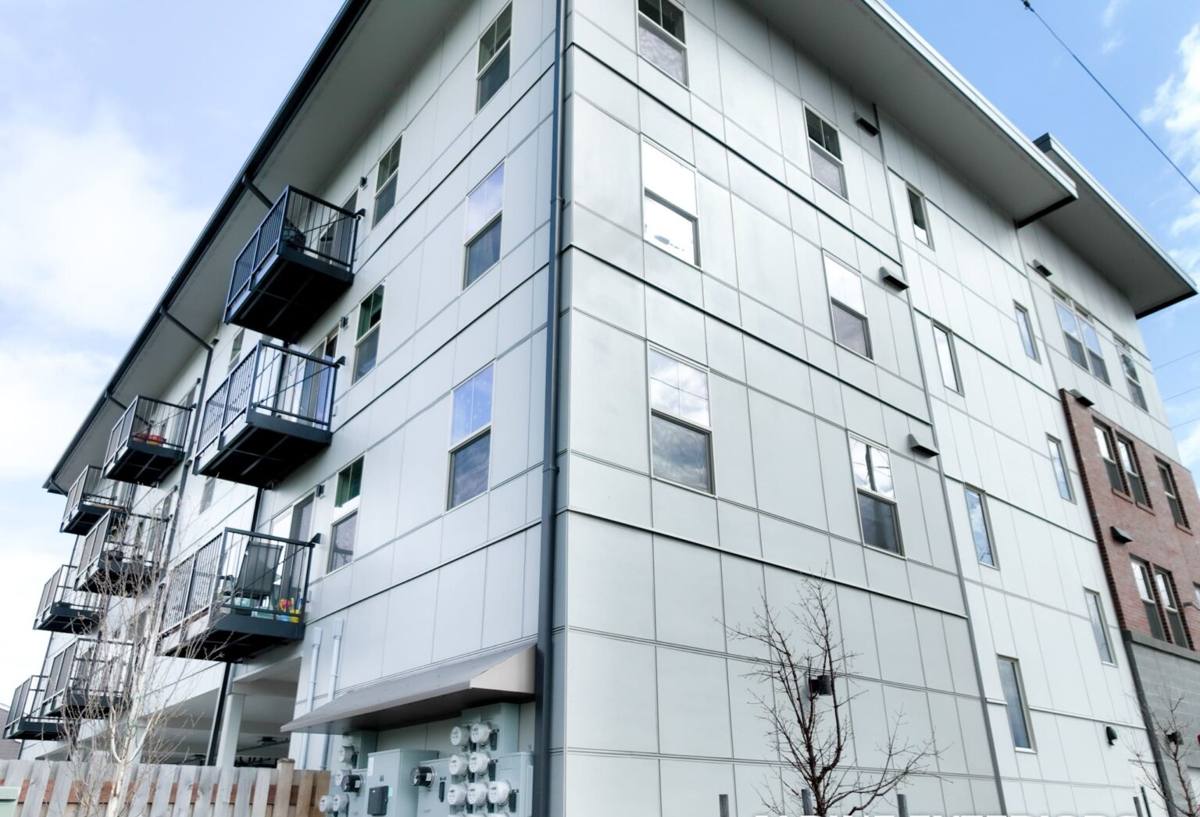
What Blaine's Climate Actually Does to Siding
Salt Air and Fastener Corrosion
Proximity to salt water accelerates corrosion on anything metal — nail heads, flashing, trim fasteners, even the small hardware that holds fixtures to the wall. On most siding types, corroding fasteners eventually mean streaking, loosening panels, or trim that pulls away over time. Fiber cement itself doesn't corrode, but the installation still has to account for what the salt air does to the metal components around it — which is why fastener spec and flashing material matter more here than they would 20 miles inland.
Driving Rain and Wind-Loading
Blaine's exposure to open water means storms often arrive with a strong horizontal component, not just straight-down rain. Wind-driven rain finds gaps that vertical rain never would — unsealed butt joints, undersized laps, missing kick-out flashing at rooflines. Siding installed to a "good enough for most of Washington" standard can still leak here, because the standard needs to account for water moving sideways under pressure, not just falling.
Moss, Algae, and the Long Wet Season
Whatcom County's wet season runs long, and Blaine's marine-influenced climate keeps surfaces damp even between rain events. That's ideal growing conditions for moss and algae on any siding that holds moisture at its surface or in its substrate. Untreated wood and some composite products absorb and hold water, giving organic growth something to root into. A factory-cured, moisture-resistant surface with a baked-on finish gives it far less to work with.
Why We Install Only James Hardie on These Homes
James Hardie fiber cement is engineered around water and fire behavior in a way that lines up directly with what Blaine's climate throws at a home. It's non-combustible, which matters given how dry late summers can still get despite the wet winters. It doesn't rot, and it doesn't provide the organic material that mold and moss need to establish themselves the way wood-based products do. The ColorPlus factory finish is baked on under controlled conditions rather than sprayed on site, which means better UV and moisture resistance than field-applied paint — a real advantage when a home is getting salt air and driving rain on one side and sun exposure on another.
We don't install vinyl, LP SmartSide, Cemplank, Allura, primed spruce, or cedar. Each of those products has legitimate uses somewhere, but none of them hold up as consistently in this specific combination of salt exposure, wind-driven rain, and sustained dampness as Hardie's engineered fiber cement does when it's installed correctly. That "installed correctly" part matters as much as the product choice — which is most of what the rest of this page is about.
The James Hardie Product Lines That Make Sense Here
James Hardie makes climate-specific formulations under its HZ5® and HZ10® engineering, tuned to different moisture and freeze exposure levels across the country. For a coastal Whatcom County home, that means a formulation built around sustained moisture exposure rather than freeze-thaw cycling, which is the more relevant stress here. Within that, most Blaine homes end up choosing between a few common Hardie product profiles:
| Product Line | What It's Good For | Why It Fits Blaine |
|---|---|---|
| HardiePlank® lap siding | Traditional horizontal lap look, most common residential choice | Widest color and texture range; handles wind-driven rain well with correct lap exposure and flashing |
| HardiePanel® vertical siding | Modern vertical look, often paired with board-and-batten trim | Fewer horizontal joints for water to find; popular on accent walls and gable ends exposed to weather |
| HardieShingle® siding | Shingle-style aesthetic without cedar's maintenance | Gives the coastal cottage look homeowners often want in Blaine without cedar's moisture and moss issues |
| HardieTrim® boards | Corner boards, window/door trim, fascia | Matched moisture performance with the field siding at the joints most prone to water intrusion |
The right mix depends on the home's exposure, architecture, and what the homeowner wants it to look like. We'll walk through that during the estimate rather than defaulting to one product across every job.
What Correct Installation Involves in This Climate
Fiber cement siding's long-term performance depends almost entirely on installation quality — more than most exterior products, because a small gap or missed flashing detail becomes a real problem faster in a climate this wet. On a Blaine job, we pay particular attention to:
- Rainscreen gap: A drainage gap behind the siding lets any water that gets past the surface drain and dry out instead of sitting against the wall assembly — important given how long homes here stay damp between dry spells.
- Weather-resistive barrier and flashing sequence: Every penetration, window, and door gets flashed in the correct shingle-lap order so water sheds outward at every layer, not just at the surface.
- Fastener spec and placement: Corrosion-resistant fasteners, driven at the manufacturer's specified location and depth — overdriven or misplaced nails are one of the most common causes of early siding failure, and salt air punishes a bad fastener choice faster than inland air does.
- Butt joint and lap treatment: Properly sealed or flashed joints matter more under wind-driven rain, which pushes water sideways and upward into gaps that vertical rain would never reach.
- Clearance from grade, decks, and roof lines: Maintaining Hardie's minimum clearances keeps splash-back moisture and roof runoff from sitting against the bottom courses, a common failure point on homes with tight landscaping or low decks.
- Kick-out flashing at roof-wall intersections: Missing this detail is one of the most common causes of hidden water damage behind siding, and it's especially costly to skip in a climate that gets sustained rain events rather than isolated showers.
None of this is exotic — it's the manufacturer's own installation standard. But it's also the standard that gets shortcut most often, because it takes more time and more careful sequencing than just nailing panels to a wall.
Our Process on a Blaine Job
1. On-Site Assessment
We walk the home's exterior, check the condition of the existing siding and sheathing, and look specifically at exposure — which walls take the most wind-driven rain, where moss and algae are already established, and where prior water intrusion has left signs like soft trim or stained sheathing.
2. Removal and Substrate Check
Old siding comes off and we inspect what's underneath before anything new goes up. Rot, damaged sheathing, or a failed weather barrier gets addressed at this stage — covering a moisture problem with new siding just delays it and makes it worse.
3. Weather Barrier and Rainscreen Installation
We install a new weather-resistive barrier and rainscreen system correctly sequenced with flashing at every window, door, and penetration before any siding goes on.
4. Hardie Installation to Manufacturer Spec
Panels, planks, or shingles go up with the fastener spacing, lap exposure, and joint treatment James Hardie specifies — the details covered above, done the same way on every course, not just the ones that show.
5. Trim, Caulking, and Final Detailing
Corner boards, trim, and caulking get finished to shed water at every seam, and we do a final walk-through checking clearances, flashing, and finish quality before calling the job done.
Cost Factors on a Blaine Home
Every home is different, but a few things consistently move the price on a Blaine siding project more than they would on a typical inland job:
| Factor | Why It Matters Here |
|---|---|
| Extent of hidden moisture damage | Coastal exposure means a higher chance of finding damaged sheathing once old siding comes off, which adds repair scope before new siding goes on |
| Wind exposure and elevation | Walls facing open water or elevated sites often need extra attention to flashing and joint sealing, adding labor time |
| Home size and wall complexity | More corners, gables, and roof-wall intersections mean more flashing detail work, which is where correct installation takes the most time |
| Product line and finish choice | HardieShingle and custom ColorPlus finishes cost more than standard lap siding in a stock color |
| Existing siding removal | Removing and disposing of old wood or vinyl siding adds cost versus a bare-sheathing new build |
We give straightforward, itemized estimates rather than round numbers pulled out of the air, because the moisture damage question in particular usually isn't fully answerable until the old siding is off.
Signs a Blaine Home Needs Siding Attention Now
A few warning signs come up often enough on coastal Whatcom County homes that they're worth watching for before they become bigger problems:
- Moss or algae established on the siding surface itself, not just on the roof or in shaded corners
- Soft or spongy spots when you press on wood-based siding, especially near the bottom courses or under windows
- Paint that's peeling, bubbling, or failing faster than the repaint cycle should allow
- Visible gaps at butt joints, corners, or trim that weren't there when the siding was newer
- Rust streaking below fasteners or trim hardware
- Interior signs like musty smells or discoloration on walls that back onto exterior siding
Any one of these is worth a look. Several together usually mean water has been getting behind the siding for a while, and it's better to find out the extent of it on your terms rather than after a bigger failure.
Why a Crew Already Working Blaine Matters
Installation quality is what determines whether James Hardie siding performs the way it's engineered to, and that quality shows up most in the details that are specific to a home's exposure — how much wind-driven rain a wall actually takes, where moisture tends to collect, how the local weather pattern behaves across a full year rather than a single storm. A crew that already works this stretch of Whatcom County has already worked through those details on other homes near yours, in the same wind and rain patterns, with the same salt air working against the same fasteners and finishes. That's not a substitute for following the manufacturer's installation standard — it's what makes following that standard mean something on a specific home rather than a generic one.
We're a Bellingham-based crew, and Blaine is part of the coastline we work regularly. That means we're not learning the local exposure patterns on your project — we're applying what already holds up on homes with the same conditions yours has.
Maintenance After Installation
James Hardie siding is genuinely low-maintenance compared to wood or vinyl, but "low-maintenance" isn't "no-maintenance," especially in a climate that grows moss as readily as this one does. A yearly rinse-down to keep organic growth from establishing, prompt caulk touch-ups where seams show wear, and periodic visual checks around windows, doors, and roof intersections will keep a correctly installed Hardie system performing for decades. ColorPlus finishes are backed by a real factory finish warranty, and the substrate itself carries a long transferable product warranty from James Hardie — worth understanding fully, which we'll walk through as part of any estimate.
If your Blaine home's siding is showing wear, failing paint, moss buildup, or you're just planning ahead for a replacement, we're happy to come take a look. The estimate is free, there's no pressure, and you'll get a straight answer about what your home actually needs — use the form below to get started.