 Bellingham
 Roof Repair in Fairhaven: A Different Set of Problems
Fairhaven sits right up against Bellingham Bay, tucked under a heavy canopy of maples and evergreens, with a lot of housing stock that predates modern roofing standards. That combination — salt-laden air off the water, shade that never fully dries out, and older roof framing and flashing details — means roofs here fail in different spots and for different reasons than roofs a few miles inland. A repair that works fine in a dry, open subdivision east of town can miss the actual problem on a shaded Fairhaven roof entirely.
This page is about roof repair specifically: fixing what's failing now, not a full tear-off and replacement. Most of what we get called out for in Fairhaven is a leak, a soft spot, a patch of missing or lifted material, or a flashing detail that's finally given out after years of being soaked and dried, soaked and dried.
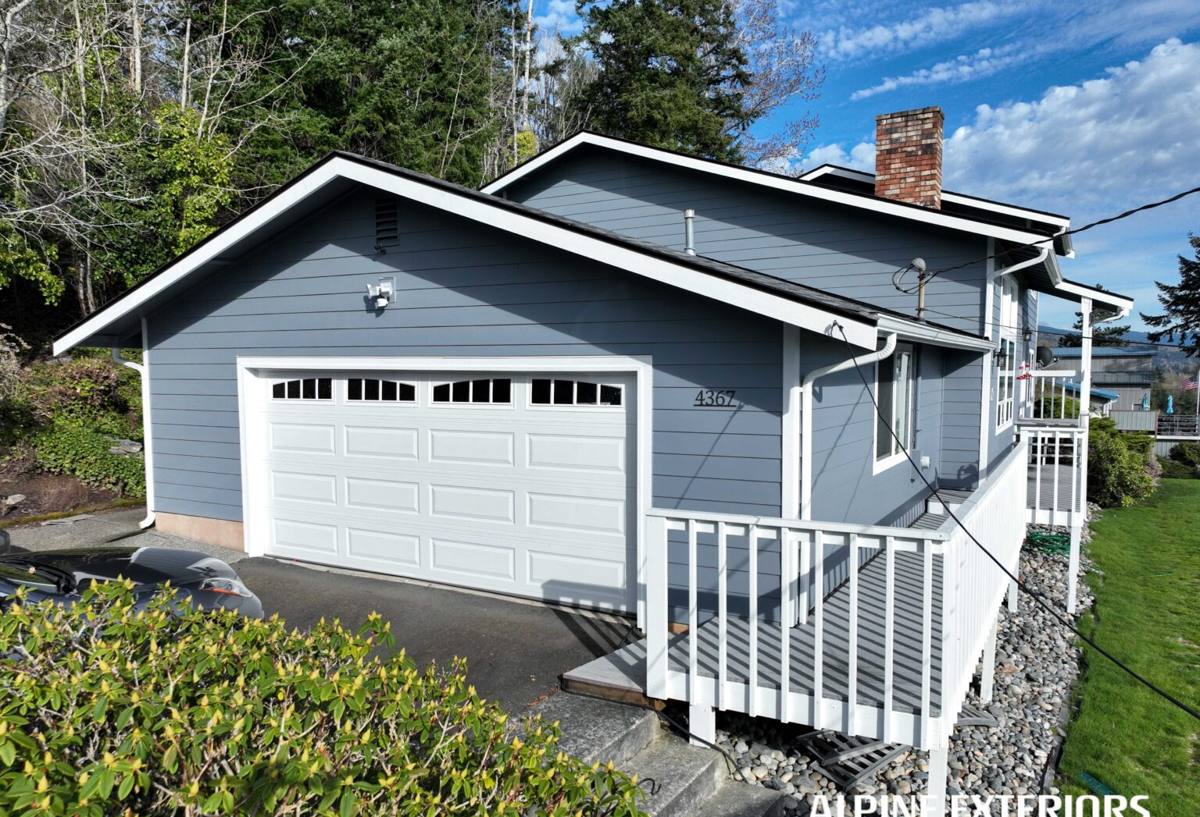
What the Climate Does to a Fairhaven Roof
Salt air and corrosion
Homes close to the water deal with airborne salt that accelerates corrosion on exposed metal — nails, staples, flashing, and fasteners that aren't rated for a marine environment. A roof that looks fine from the ground can have flashing edges or fastener heads that have quietly rusted through, which is exactly the kind of failure that shows up as a slow leak long before anyone sees a visible hole.
Driving rain
Bellingham's winters bring long stretches of steady, wind-driven rain rather than short, hard downpours. Wind off the bay pushes water sideways and uphill under roof edges, rakes, and any flashing that isn't lapped correctly. This is why a lot of Fairhaven leaks show up at the eaves, at roof-to-wall transitions, and where the roof meets siding or trim — not in the middle of a roof field where most homeowners assume a leak has to start.
Moss and shade
Tree cover keeps large sections of Fairhaven roofs shaded and damp for much of the year, which is ideal growing conditions for moss. Moss isn't just cosmetic — it holds moisture against roofing material, lifts shingle and shake edges as it grows, and can work its way under flashing over time. A roof with heavy moss almost always has more going on underneath than what's visible from the ground.
What Roof Repair Actually Involves
Roof repair is targeted work: finding the specific point of failure and fixing it correctly, rather than replacing the whole roof. Done right, it includes:
- Diagnosing the actual source of a leak — which is often several feet away from where the water shows up inside
- Removing moss and organic debris from the affected area and the roof generally, without damaging the surface underneath
- Repairing or replacing failed flashing at chimneys, vents, valleys, dormers, and roof-to-wall intersections
- Replacing damaged, cracked, or missing shingles or shakes in the affected section
- Correcting fastener or nailing issues where corrosion or improper installation has let material work loose
- Repairing the transition where the roof edge meets fascia, soffit, and siding — a common weak point on older homes
- Confirming gutters and drip edge are actually moving water away from the repaired area, not dumping it back into it
Because we're a siding and exteriors contractor first, we pay particular attention to that last category — the seam where roofing and siding meet. That detail gets overlooked by roofers who only think in terms of the roof deck, and by siding crews who only think in terms of the wall. On an older Fairhaven house, that seam is very often where the actual water intrusion is happening, even when the visible damage looks like a siding or trim problem.
Common Repair Calls We See in Fairhaven
| Problem | Typical Cause | What Repair Looks Like |
|---|---|---|
| Interior leak near a chimney or dormer | Flashing that has corroded, cracked, or was never properly stepped and counter-flashed | Remove and replace flashing sections, re-seal correctly, confirm no hidden deck damage |
| Heavy moss coverage on shaded slopes | Tree canopy keeping the roof damp for extended periods | Careful moss removal, treatment to slow regrowth, inspection of material underneath |
| Staining or soft spots at the eaves | Wind-driven rain pushed under the edge, or fastener corrosion from salt air | Repair or replace affected material, correct drip edge and fastener details |
| Leak where roof meets a wall or dormer siding | Failed or missing step flashing at the roof-to-wall transition | Rebuild flashing detail, integrate properly with siding, re-seal per manufacturer spec |
| Water tracking down behind gutters | Clogged or undersized gutters, or drip edge not extending far enough into the gutter | Clear and adjust gutters, extend or correct drip edge, re-check flow during rain |
Signs a Fairhaven Roof Needs Repair Now
- Water stains on an interior ceiling or upper wall, especially after a windy rainstorm
- Visible moss buildup thicker than a light green film, particularly on north-facing or shaded slopes
- Shingles or shakes that are curling, cracking, or missing in patches
- Rust streaks running down from flashing at a chimney, vent, or dormer
- Sagging or soft-feeling sections when walked on (worth having checked, not walked on repeatedly)
- Granules collecting in gutters far beyond what's normal for the roof's age
- Daylight visible through the roof deck from inside an attic
- Peeling paint or soft trim right below a roof edge — often a sign water is getting past the flashing above it
Our Repair Process
1. Inspection and diagnosis
We start by finding the actual source of the problem, not just patching where the water is showing up. On older Fairhaven homes that often means checking the roof, the flashing, and the siding-to-roof transition together, since a leak can travel a surprising distance along framing before it becomes visible inside.
2. A clear scope before any work starts
Once we know what's actually wrong, we explain what needs to happen, why, and what it will cost — in plain language, before any work begins. If a repair uncovers a bigger issue underneath (rotted decking, for example), we stop and talk to you before proceeding, not after.
3. The repair itself
We match materials as closely as possible to what's already on the roof, use corrosion-resistant flashing and fasteners appropriate for a coastal environment, and rebuild flashing details to shed water correctly rather than just caulking over the symptom.
4. Cleanup and a final check
Debris and old material get hauled off, gutters get checked for flow, and we walk the repair with you before calling the job done.
Materials and Why We're Particular About Them
Not all flashing metal, sealants, or fasteners perform the same in a salt-air environment near Bellingham Bay. Cheaper galvanized fasteners can corrode within a few seasons this close to the water, which turns a simple repair into a repeat service call. We use materials rated for coastal exposure specifically because a repair that fails again in two years isn't actually a repair — it's a deferred bigger job with your interior finishes at risk in the meantime.
The same logic applies to sealants and underlayment details at flashing points. A sealant that skins over quickly but stays flexible in cold, wet weather holds up; one that's cheap and hardens with age will crack the first time the roof moves with temperature swings. We'd rather explain a slightly higher material cost up front than have you calling us back about the same leak.
Why Local Experience in Fairhaven Matters
A crew that only occasionally works this neighborhood tends to treat every roof the same way. A crew that works Fairhaven regularly knows which streets have the heaviest tree cover and moss buildup, which building styles from this era typically have undersized or outdated flashing details, and how exposure to wind off the bay changes where water actually enters a roof versus where it shows up inside. That knowledge shortens the diagnosis phase and reduces the chance of fixing the wrong spot.
It also matters for access and logistics — Fairhaven's terrain and older lot layouts aren't always straightforward for equipment and material staging, and knowing that in advance keeps a repair job efficient instead of turning into a longer, more disruptive visit than it needs to be. For homes in or near a historic district, we're also mindful of keeping repairs visually consistent with the existing roofline and trim, rather than leaving an obvious patch.
Get a Straight Answer on What Your Roof Needs
If you're seeing a stain, a soft spot, heavy moss, or just want a second opinion before a bigger problem develops, we're happy to take a look. We'll tell you honestly whether it's a repair, how extensive, and what it will take to fix it right — no pressure, no upsell to a full replacement you don't need. Reach out for a free estimate using the form below.