 Bellingham
 Why Barkley Homes Need Siding Built for This Climate
Barkley sits close enough to Bellingham Bay that salt-laden air is a real factor in how exterior materials age, and far enough into Whatcom County's marine weather pattern that wind-driven rain and a long, shaded moss season put steady pressure on any siding product. Homes here don't fail because of one bad storm — they fail slowly, from years of moisture finding its way behind panels that were never detailed to keep it out, or from paint film that gives up years before the homeowner expected it to. Fiber cement siding, installed correctly, is one of the few claddings built to shrug off all three of those pressures at once. This page is about what that actually requires on a Barkley home, not a generic pitch for the product.
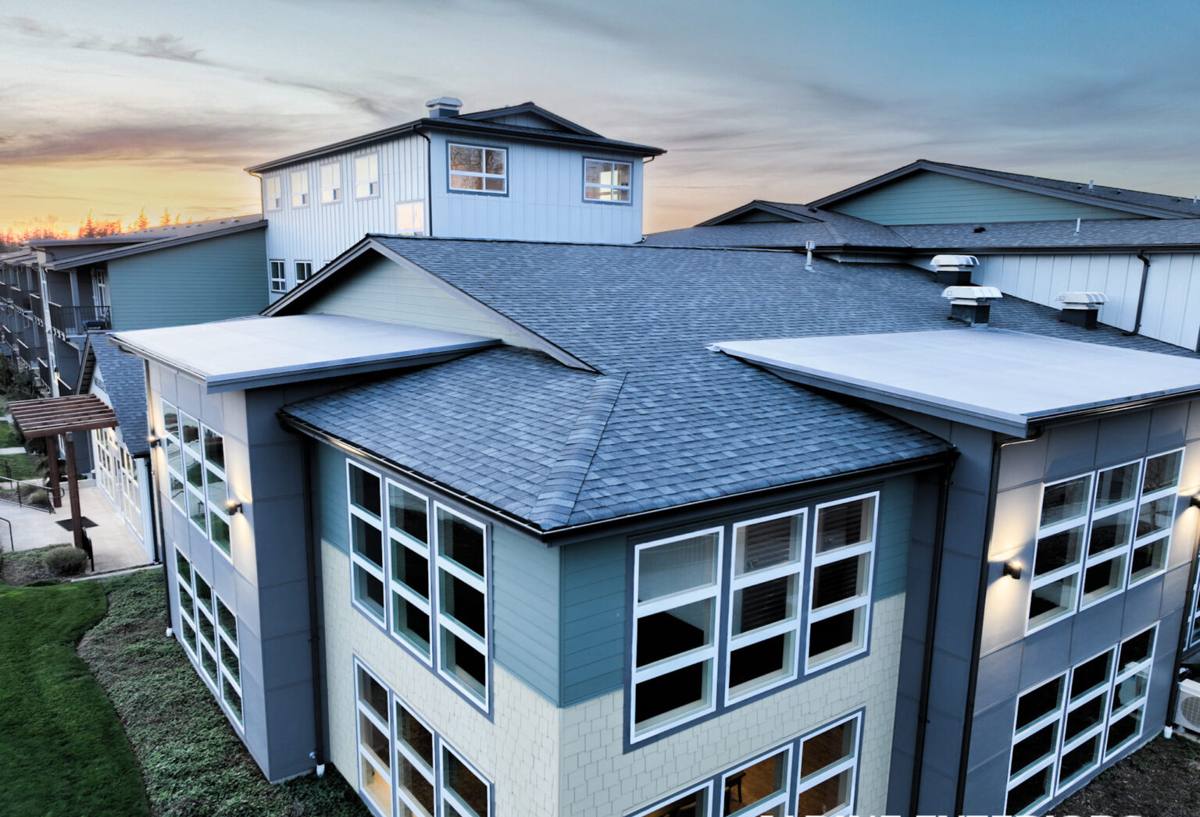
What Bellingham's Climate Actually Does to Siding
It helps to be specific about the mechanisms at work, because they drive real decisions about materials and installation detailing.
Salt Air and Corrosion
Homes closer to the water pick up airborne salt that settles on exterior surfaces and accelerates corrosion of exposed metal — fasteners, flashing, and trim hardware in particular. Over time, unprotected or improperly rated fasteners can streak, weep rust, or weaken at the head, which is a problem when the fastener is the only thing holding a siding course in place.
Driving Rain
Storms off the Pacific frequently arrive with enough wind to push rain sideways against a wall rather than straight down it. Wind-driven rain finds gaps that vertical rain never would — unsealed joints, poorly lapped flashing, and butt seams that weren't caulked or backed correctly. Once water gets behind the cladding, the sheathing and framing underneath are what actually suffers, long before the siding itself shows a problem.
A Long Moss Season
Whatcom County's overcast, wet stretches from fall through spring give moss and algae months of ideal growing conditions on north-facing walls, shaded elevations, and anywhere siding stays damp longer than it should. Moss holds moisture against the surface, and on materials with a weak factory finish, that constant dampness is what shortens paint life and invites rot at the substrate.
Why Fiber Cement Is the Right Answer for Barkley
We install only James Hardie fiber cement siding, and Barkley's climate is a good illustration of why. Fiber cement itself is dimensionally stable and doesn't swell, warp, or delaminate the way engineered wood products can when they take on moisture. James Hardie's ColorPlus factory finish is baked on under controlled conditions rather than field-applied, which matters directly for a moss-prone area: a finish that resists fading and holds its seal is a finish that doesn't need repainting every few years just to keep water out. Hardie's HZ5 product line is also engineered specifically for climates with sustained moisture exposure, which is the category Whatcom County falls into.
We get asked, reasonably, why we don't also offer other options. LP SmartSide is a wood-strand product — it performs well when detailed perfectly, but wood-based substrates are inherently more sensitive to sustained moisture exposure than fiber cement, and Barkley's climate doesn't offer much margin for error. Vinyl is inexpensive and low-maintenance, but it's a thin, flexible material that can warp in direct heat and crack in hard cold, and it doesn't hold up structurally or aesthetically over the same multi-decade horizon. Cedar and primed spruce look excellent on day one but require an ongoing maintenance commitment — refinishing, caulking, checking for rot — that most homeowners underestimate until they're several years in. None of these are "bad" products; they're just not the product we're willing to warranty our installation work against in this climate.
| Material | Moisture Behavior in Wet Climates | Finish Maintenance | Typical Lifespan |
|---|---|---|---|
| James Hardie Fiber Cement | Dimensionally stable, doesn't swell or rot | Factory ColorPlus finish, minimal repainting | 30+ years with correct install |
| LP SmartSide / Engineered Wood | Sensitive to sustained moisture if seals fail | Field-applied finish needs monitoring | Shorter if moisture gets behind panels |
| Vinyl | Doesn't absorb water but can warp/crack with temperature swings | Low, but fades and becomes brittle over time | 20-30 years, appearance degrades sooner |
| Cedar / Primed Wood | Absorbs moisture, prone to rot without upkeep | Regular refinishing required | Highly dependent on maintenance |
What a Correct Fiber Cement Installation Actually Involves
Fiber cement siding is only as good as the installation behind it. Most of the failures we're called to fix on other contractors' work trace back to shortcuts in details that aren't visible once the job is finished — which is exactly why hiring based on price alone is risky.
Water Management Comes First
Before a single piece of siding goes up, the wall needs a properly lapped weather-resistive barrier and a drainage plane — typically a rain screen gap — that lets any water that does get past the cladding drain and dry out rather than sit against the sheathing. In a driving-rain climate like this one, skipping the rain screen is one of the most common corner-cuts we see, and it's invisible until the wall starts rotting from the inside.
Flashing and Fastening
Every window, door, and roofline penetration needs flashing detailed to shed water downward and outward, not just caulk smeared over a gap. Fasteners should be corrosion-resistant and driven per Hardie's specifications — not overdriven, not underdriven, and placed where the manufacturer's fastening pattern actually calls for them. Given the salt exposure closer to the bay, using the correct fastener grade isn't optional detailing, it's a durability decision.
Joints, Gaps, and Caulking
Butt joints should be backed and sealed correctly, and expansion gaps at trim need to be sized to Hardie's specification rather than tight-fit for looks. A joint that looks clean on installation day but wasn't detailed to manage water movement is exactly the kind of thing that shows up as a stain or soft spot two or three winters later.
- Weather-resistive barrier installed and lapped correctly, shingle-style, top over bottom
- Rain screen or drainage gap behind the cladding, not siding fastened flush to sheathing
- Flashing at every window, door, and roof-to-wall transition, integrated with the barrier
- Corrosion-resistant fasteners driven flush, following Hardie's fastening schedule
- Butt joints backed, caulked with a quality sealant, and gapped per manufacturer spec
- Starter strip and kickout flashing at roof/wall intersections to direct water away from siding
- Finished job walked and inspected against Hardie's published installation requirements
Our Process on Barkley Homes
We start with an on-site assessment that looks at the existing siding and sheathing condition, not just the surface — on a home that's had moisture problems, the framing underneath needs to be checked before anything new goes up. From there we walk through product line, color, and trim options, then schedule the tear-off and install. During installation, we handle water management details — barrier, rain screen, flashing — before the first course of siding goes on, because those details can't be fixed after the fact without pulling siding back off. Once the job is complete, we walk it with the homeowner and confirm the work matches both Hardie's installation requirements and what was scoped.
Why a Crew That Already Works in Barkley Matters
Siding installation isn't identical from one Bellingham neighborhood to the next. A crew that regularly works in Barkley already accounts for things a traveling or out-of-area contractor might miss: how close a given property sits to the bay and how that affects fastener and flashing choices, which elevations on homes in this area tend to stay shaded and damp long enough to need extra attention to moss-prone detailing, and what Whatcom County's permitting and inspection process actually expects for exterior work. That local familiarity doesn't show up as a line item on a quote, but it's a big part of why some installations last thirty years and others need rework in five.
Maintenance That Actually Matters Here
One advantage of correctly installed Hardie siding is how little maintenance it needs — but "little" isn't "none," especially with Barkley's moss season to contend with.
- Rinse siding annually, especially shaded north-facing walls, to keep moss and algae from taking hold
- Inspect caulking at joints and trim every couple of years and re-seal if it's cracked or pulling away
- Keep gutters and downspouts clear so runoff isn't directed onto siding it wasn't designed to sit under
- Trim back vegetation and tree cover that keeps a wall section shaded and slow to dry
- Address any soft spots, staining, or bubbling paint promptly — early signs are far cheaper to fix than a rot repair
Getting Started
If your Barkley home's siding is aging, showing moss staining that won't rinse off, or you're planning ahead for a replacement, we're happy to take a look and give you a straight answer about what your home actually needs. There's no pressure and no obligation — just fill out the form below for a free estimate.