 Bellingham
 Siding in Silver Beach Has to Work Harder Than People Think
Silver Beach sits in a part of Bellingham where the weather doesn't take a season off. Moisture-heavy marine air moves through year-round, rain comes in sideways more often than most homeowners expect, and moss finds a foothold on anything that stays damp for more than a few days. None of that is unusual for Whatcom County — it's just the baseline. But it means siding here isn't a cosmetic choice. It's a system that either sheds water and resists organic growth for decades, or it starts failing quietly behind the paint long before anyone notices a problem.
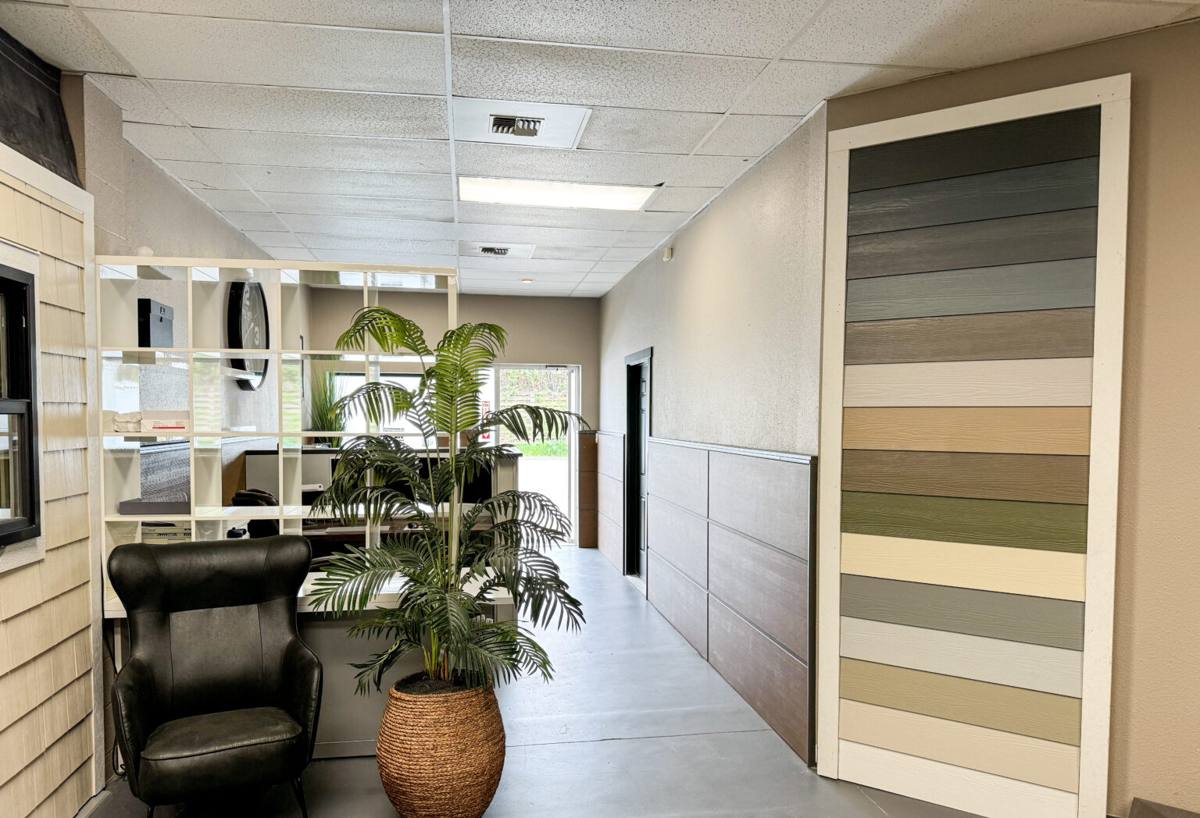
We install James Hardie fiber cement siding exclusively, and Silver Beach is exactly the kind of neighborhood that shows why. This page walks through what the local climate actually does to siding, what a correct Hardie installation involves, and why the crew doing the work matters as much as the product itself.
What Salt Air, Driving Rain, and Moss Season Actually Do
Moisture Intrusion
Wind-driven rain doesn't just wet a wall's surface — it pushes water sideways and upward, testing every seam, joint, and fastener penetration. On homes with poor flashing or the wrong siding material, that water finds its way behind the cladding. Once it's trapped there, it doesn't dry out fast in a climate where humidity stays elevated for months. That's when sheathing rot, mold, and structural damage start, usually invisible until the siding is pulled off.
Moss and Algae
Whatcom County's moss season runs long — shaded north- and east-facing walls, in particular, can stay damp for weeks at a stretch. Moss and algae aren't just cosmetic. They hold moisture against the siding surface, and on materials with any organic content, that sustained dampness accelerates decay. Siding that can't shed water quickly or resist biological growth ages faster here than it would in a drier climate.
Marine Air Exposure
Homes closer to the water deal with a steady, low-grade exposure to salt-laden air. It's harder on fasteners, trim, and paint film than most people realize — metal corrodes faster, and finishes that aren't engineered for it chalk and fade ahead of schedule. It's a slow process, which is exactly why it gets ignored until a home is repainted every few years instead of every decade.
Why We Standardized on James Hardie for This Climate
We don't install vinyl, LP SmartSide, cedar, or other fiber cement brands. That's a deliberate call, not a sales pitch. James Hardie's HZ5 product line is engineered specifically for climates like ours — freeze-thaw cycles, sustained moisture, and coastal exposure — and it's backed by a factory finish and warranty structure that vinyl and wood-based products simply can't match.
What Makes It Different
- Non-combustible core: fiber cement doesn't feed a fire the way wood-based products can, which matters for insurance conversations as much as safety.
- ColorPlus factory finish: baked-on color resists fading and chalking far longer than field-applied paint, which matters when marine air is already working against the finish.
- Dimensionally stable: fiber cement doesn't swell, warp, or cup the way wood and some composite products do when they take on moisture.
- Built for this specific region: the HZ5 formulation is Hardie's own answer to high-moisture, marine-influenced climates — it's not a one-size-fits-all product pulled from a warmer market.
- Transferable warranty: a real asset if the home sells before the siding's service life is up.
Every other product we get asked about does something well — vinyl is cheap, cedar looks great fresh off the truck, LP SmartSide is lighter to install. But every one of them asks a homeowner to accept a real trade-off in exchange, whether that's moisture sensitivity, repainting cycles, or a warranty that doesn't hold up the way people assume. We'd rather install one product correctly than sell several products with caveats attached.
What a Correct Installation Actually Involves Here
Hardie siding fails prematurely almost exclusively because of installation mistakes, not product defects. In a climate like Silver Beach's, the margin for error is smaller than in drier regions, because any gap in the water management system gets tested constantly instead of occasionally.
The Details That Matter Most
- A drainage plane (weather-resistant barrier) installed continuously and correctly lapped, with no shortcuts around windows or penetrations.
- A rainscreen gap behind the siding wherever conditions call for it, so water that does get past the surface can drain and the wall can actually dry.
- Flashing at every window, door, and roof intersection — the single most common failure point on poorly installed siding.
- Correct fastener type, spacing, and penetration depth per Hardie's published installation specs, not generic carpentry judgment.
- Proper joint treatment and caulking at butt joints and trim, sized and sealed to move with the building without opening a water path.
- Factory-cut and factory-primed edges kept intact wherever possible, since field-cut edges need to be sealed to maintain the product's moisture resistance.
Skip any one of these and the siding can look right for a few years while a moisture problem builds behind it. This is the part of the job that never shows up in a photo but determines whether the siding lasts fifteen years or fifty.
How Hardie Compares to the Alternatives Homeowners Ask About
| Factor | James Hardie (HZ5) | Vinyl | Cedar | LP SmartSide |
|---|---|---|---|---|
| Moisture resistance | High when installed to spec | Good, but can warp/buckle | Requires ongoing sealing | Engineered wood, moisture-sensitive at cut edges |
| Moss/algae resistance | High, non-organic material | Moderate | Low, organic material | Moderate, wood-based |
| Fire performance | Non-combustible | Combustible | Combustible | Combustible |
| Finish longevity | Factory ColorPlus, long cycle | Fades, can't repaint easily | Repaint/restain every few years | Field-painted, shorter cycle |
| Typical repaint/refinish interval | 15 years or longer | Not repainted (replaced instead) | 3-5 years | 7-10 years |
None of these products are junk — vinyl and LP SmartSide both have a place in the market, and cedar has a look plenty of homeowners love. We simply found that for the way this climate treats a home over decades, Hardie's combination of durability, finish life, and warranty was the one we were willing to stand behind exclusively.
Our Process, Start to Finish
- Walkthrough and assessment: we look at existing siding, sheathing condition, moisture points, and trouble spots specific to the home's exposure and orientation.
- Written estimate: a clear scope covering product line, color, trim, and any sheathing or moisture repair the walkthrough identified.
- Tear-off and inspection: once old siding comes off, we check the sheathing and framing underneath before anything new goes up — this is where hidden moisture damage gets caught.
- Water management first: weather barrier, flashing, and rainscreen components installed and inspected before a single piece of siding goes on.
- Hardie installation to manufacturer spec: correct fasteners, spacing, joint treatment, and trim detailing throughout.
- Final walkthrough: we go over the finished job with the homeowner before calling it complete.
Why a Crew That Already Works Silver Beach Matters
Siding installation isn't uniform across a region — orientation, tree cover, elevation, and proximity to water all change how much a given wall gets hit by rain, holds moisture, or grows moss. A crew that's worked repeatedly in Silver Beach and the surrounding Bellingham neighborhoods has already seen which walls need extra attention to flashing, where rainscreen detailing earns its keep, and how the local moss season actually behaves on different exposures. That's not something you get from a manufacturer's spec sheet — it comes from doing the work here, on homes with the same climate exposure, repeatedly.
It also means fewer surprises during the estimate. A contractor unfamiliar with Whatcom County's conditions might underestimate how much water management a home needs, or treat this like a dry-climate siding job. We don't have that learning curve here.
What to Ask Before Hiring Anyone for Siding Work
- Are they certified or specifically trained on the product they're installing, not just generally experienced with siding?
- Will they show you the flashing and water-management plan before siding goes on, not just the finished look?
- Do they work in this specific area regularly, or is this a one-off job for them?
- Is the warranty backed by the manufacturer and transferable, or just a contractor's verbal promise?
- Will they document sheathing condition at tear-off, in case repairs are needed before new siding goes up?
Maintenance Expectations Once It's Installed
Correctly installed Hardie siding in this climate is genuinely low-maintenance, but "low" isn't "none." An annual rinse-down to clear moss spores and organic buildup before it takes hold, a look at caulking around trim every couple of years, and prompt attention if a downspout starts overflowing onto a wall are really the extent of it. Compared to a repaint cycle every few years on wood siding, it's a small ask — and it's the reason the finish still looks right well over a decade after installation.
If you're weighing options for a Silver Beach home, we're glad to walk through what your specific exposure calls for and put together a straightforward, no-pressure estimate — no invented urgency, just what the house actually needs.