 Bellingham
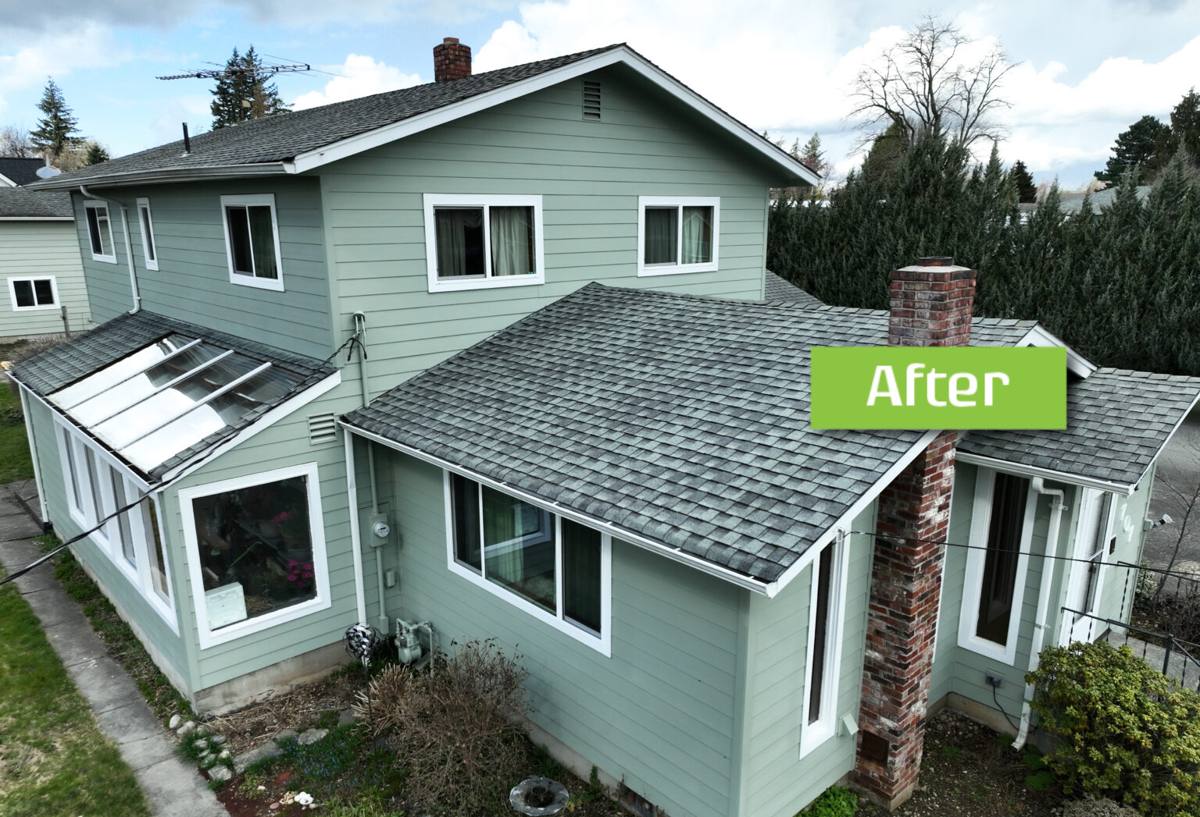
 New Roof Installation Built for Lynden's Weather
Lynden sits in the flat farm country of Whatcom County, but the roofs here don't get an easy pass just because there's no coastline in view. Marine air off the Salish Sea and Bellingham Bay pushes inland on most weather systems, bringing long stretches of driving rain, humidity that never fully lets up, and enough shade from mature evergreens and windbreak trees to keep moss going strong for a good chunk of the year. A roof that was installed correctly shrugs all of that off for decades. A roof that was installed with shortcuts — thin underlayment, poor ventilation, flashing that was "close enough" — starts showing problems in five to eight years instead of twenty-five.
This page covers what a proper new roof installation looks like specifically for homes in and around Lynden, what our process involves, and why hiring a crew that already works this area on a regular basis matters more than it might seem.
Why Roofs in Lynden Wear Out Differently Than Roofs Inland
Homeowners moving to Whatcom County from drier climates are often surprised at how hard the region is on a roof, even without hurricanes or heavy snow load to worry about. The issues here are slower and quieter, which is exactly why they get missed until they're expensive.
Moss and Constant Moisture
Moss doesn't just sit on a roof looking bad — it holds moisture against the shingle surface, works its way under tabs and flashing edges, and gradually lifts granules and material apart. On a lot with tree cover or a north-facing slope that doesn't get much sun, moss can establish itself within a couple of seasons on a roof that wasn't detailed to resist it.
Driving Rain and Wind-Driven Water
Rain in this part of Whatcom County rarely falls straight down. Wind off the valley pushes it sideways, which means water finds its way under shingle edges, around vents, and into any gap in flashing that a calmer climate might tolerate. Underlayment and flashing choices that would be adequate somewhere drier aren't adequate here.
Salt Air and Corrosion
Even away from the immediate waterfront, the marine air that moves through this region carries enough salt to accelerate corrosion on unprotected metal — fasteners, flashing, and vent housings included. Materials and hardware that aren't rated for a marine-influenced climate corrode faster than homeowners expect, and once a fastener or flashing seam fails, water gets a path in.
What a Correct New Roof Installation Actually Involves
"New roof" sounds simple, but the difference between a roof that lasts 15 years and one that lasts 30+ comes down to details most homeowners never see once the shingles are down. Here's what should happen on every installation, regardless of which material you choose.
Full Tear-Off and Deck Inspection
We remove the old roofing down to the deck rather than layering over it. This is the only way to actually see the condition of the sheathing underneath — soft spots, old water staining, or delamination from years of trapped moisture don't show up until the old material is off. Any damaged decking gets replaced before anything new goes down.
Ice and Water Barrier at Vulnerable Areas
Valleys, eaves, and roof-to-wall transitions get a self-adhering waterproof membrane underneath the primary underlayment. Given how much of Lynden's precipitation arrives as prolonged rain rather than short storms, these are the spots where water backs up and finds its way in if this layer is skipped or skimped on.
Ventilation That Actually Balances
Intake at the eaves and exhaust at the ridge need to work together, not just exist. A roof with exhaust vents but no matching intake pulls conditioned air out of the attic instead of moving outside air through it, which traps moisture against the underside of the deck — a slow path to rot and mold that has nothing to do with the shingles themselves.
Flashing at Every Transition
Chimneys, skylights, sidewalls, and roof valleys are where the vast majority of leaks actually start — not in the open field of shingles. Step flashing, counter-flashing, and properly lapped valley metal, installed in the correct order relative to the underlayment and siding, are what keep these transitions dry through years of wind-driven rain.
Choosing a Roofing Material That Holds Up in Lynden
There's no single "best" roofing material for every home — it depends on your budget, roof pitch, and how much shade and moss pressure your particular lot deals with. Here's an honest comparison of the main options we install:
| Material | Moss/Moisture Resistance | Typical Lifespan | Maintenance |
|---|---|---|---|
| Architectural (laminate) asphalt shingle | Good, especially with algae-resistant granules | 25–30 years | Periodic moss treatment on shaded roofs |
| Standing seam metal | Excellent — sheds moisture, little surface for moss to grip | 40–50+ years | Low; occasional fastener/sealant check |
| Synthetic/composite shake | Good, more resistant than wood shake | 30–40 years | Low to moderate |
| 3-tab asphalt shingle | Fair — thinner profile, less wind resistance | 15–20 years | Higher, more prone to moss lift at edges |
We generally steer homeowners away from basic 3-tab shingles for this climate — not because the product is defective, but because the thinner profile and lower wind rating are a poor match for the sustained wind and rain this area sees, and the labor cost to install a roof is the same whether you put a 15-year product or a 30-year product on it. Metal costs more up front but makes sense on steep, shaded roofs where moss is a persistent fight. For most Lynden homes, a quality architectural shingle is the practical middle ground.
Our Installation Process, Start to Finish
- On-site inspection and estimate. We walk the roof (or use a drone where pitch or access makes that safer), check the attic for ventilation and moisture signs, and measure for an accurate material quantity.
- Written scope and material selection. You get a clear, itemized proposal — what's being torn off, what underlayment and flashing package is included, and which shingle or metal product you're choosing, with no vague allowances.
- Permitting. We handle the permit application through the appropriate local jurisdiction before work starts.
- Tear-off and deck repair. Old material comes off in full, the deck is inspected, and any compromised sheathing is replaced.
- Underlayment, ice/water barrier, and flashing. These go down before a single shingle is installed — this is the layer that actually keeps water out long-term.
- Roofing material installation. Installed to manufacturer specification, including nailing pattern and exposure, which affects both wind rating and warranty validity.
- Ventilation and final flashing details. Ridge vents, boots, and any remaining transition flashing are completed and checked.
- Cleanup and final walkthrough. Magnetic sweep for stray fasteners, debris removal, and a walkthrough so you know what was done and what to expect going forward.
What We Check When We Tear Off an Old Roof
Every tear-off turns up a few surprises. These are the most common issues we find on older Lynden-area roofs, and what we look for before we close everything back up:
- Soft or delaminated sheathing from long-term moisture intrusion, usually near valleys or eaves
- Undersized or missing ice-and-water membrane at vulnerable areas
- Ventilation that's exhaust-only, with no functioning intake at the eaves
- Rusted or corroded flashing and fasteners from years of marine-influenced air exposure
- Moss root systems that have worked granules loose or lifted shingle tabs
- Improperly lapped or missing step flashing at chimneys and sidewalls
- Signs of past patch repairs that were never properly integrated into the roofing system
Cost Factors for a New Roof in Lynden
We don't quote a number without seeing the roof, but the honest range for a full replacement on an average-size single-family home in this area typically falls somewhere in the low-to-mid five figures, with the following factors moving that number up or down:
| Factor | Why It Matters |
|---|---|
| Roof size and pitch | Steeper roofs take longer to work safely and use more material per square foot of coverage |
| Number of layers to remove | Tear-off of two or more existing layers adds labor and disposal cost |
| Deck condition | Rotted or soft sheathing found during tear-off needs replacement before new roofing goes down |
| Material choice | Architectural shingle, metal, and synthetic shake all carry different material costs |
| Roof complexity | Valleys, dormers, skylights, and chimneys all add flashing labor |
| Access | Trees, fencing, or tight lot lines can affect staging and cleanup time |
Why Hiring a Crew That Already Works in Lynden Matters
A roofing crew that only occasionally works in Whatcom County is learning the local climate on your roof. A crew that works Lynden and the surrounding county regularly already knows which details matter here — the ventilation balance that actually keeps moisture out of an attic through a wet winter, the flashing approach that holds up to sideways rain, and which materials are worth the upfront cost versus which ones just mean a call back in a few years.
There's also a practical side: local crews understand the permitting process for this jurisdiction, can schedule around the reality of Pacific Northwest weather windows instead of losing days to it, and are still around the following year if a warranty question comes up. That accountability is worth more than a slightly lower bid from an out-of-area crew that won't be easy to reach later.
Keeping a New Roof Performing Through Moss Season
A correctly installed roof needs far less babysitting than an older one, but a little attention keeps it performing at its best through Whatcom County's long wet season:
- Keep gutters clear so water isn't backing up under the eave line during heavy rain
- Trim back overhanging branches to reduce shade and debris buildup that feeds moss growth
- Have moss treated before it establishes a heavy root system, rather than after
- Schedule a periodic visual check of flashing and vent boots, especially after a hard windstorm
- Address any small leak signs — a stain on ceiling drywall, a musty attic smell — right away rather than waiting
If you're weighing a new roof for a home in Lynden, we're happy to take a look and walk you through what your specific roof needs — no pressure, no obligation. Use the form below to request a free estimate.