 Bellingham
 New-Construction Windows in York: What Bellingham's Climate Actually Demands
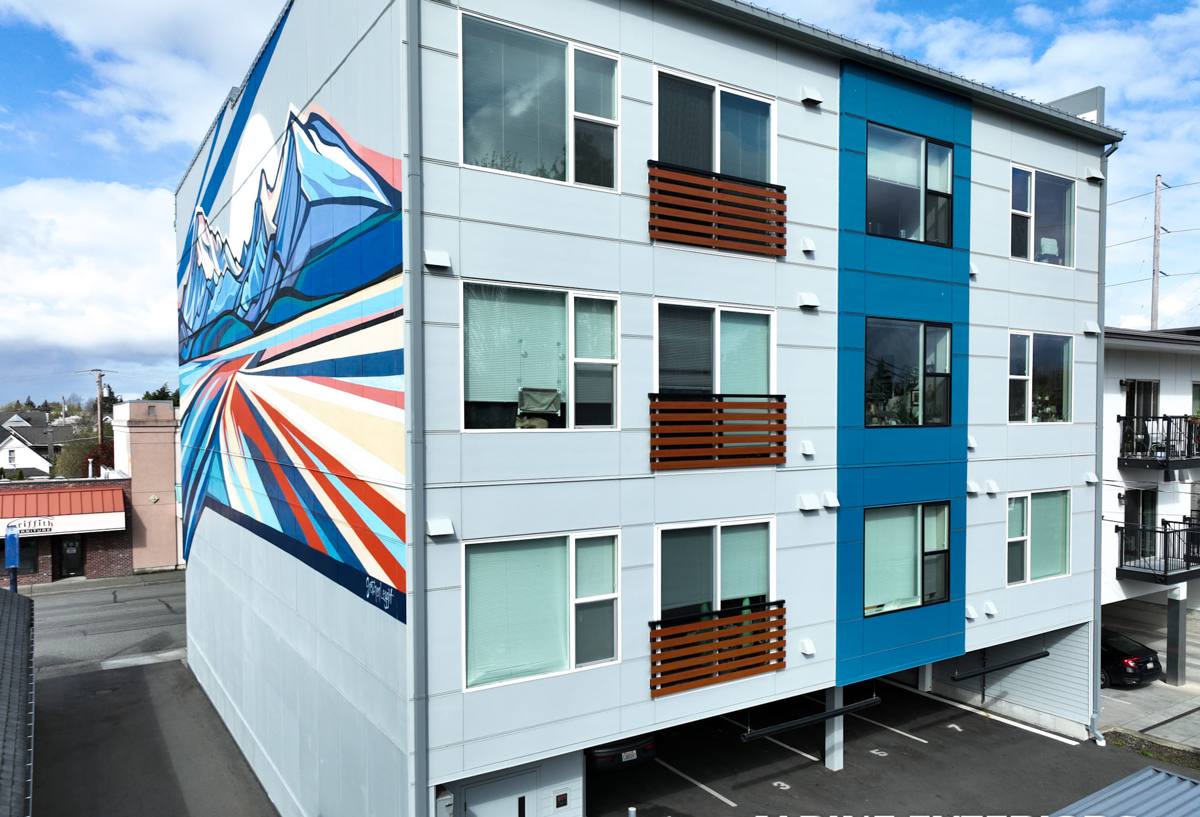
York is one of the older, established neighborhoods close to the heart of Bellingham, which means new-construction window work here usually falls into one of two buckets: a ground-up new build going in on an infill lot, or a major addition/rebuild where the framing is opened up enough that the windows get installed the "new-construction" way — nail fin, full flashing integration, and siding built around the window rather than around it. Either way, the install has to hold up to the same conditions every house in this part of Whatcom County deals with: salt air drifting in off the bay, driving rain that comes in sideways during fall and winter storms, and a moss season that can stretch from October into May. None of that is exotic weather, but it's persistent, and persistent is what actually wears down a window opening over time.
New-Construction vs. Replacement: Why the Distinction Matters
"New-construction" isn't a marketing term — it describes a specific type of window with a nailing fin around the perimeter that gets integrated directly into the wall's weather-resistive barrier (WRB) and sill flashing before the siding goes on. A replacement window, by contrast, gets installed into an existing opening with the old exterior trim and cladding left in place, relying on the existing frame and sealant rather than a fully integrated flashing system.
For a new build or an opened-up addition in York, new-construction windows are almost always the right call — they give a more durable, better-draining water management system than a retrofit ever can, because the flashing is built in layers as part of the wall assembly instead of patched around it afterward. The trade-off is that they have to be installed in the correct sequence relative to the WRB and siding, and that sequence is where most water problems trace back to later.
Why sequencing is the whole job
A window opening is really a drainage system. Water that gets past the exterior cladding or glazing needs a clear path down and out, never inward or sideways into the wall cavity. Get the layering order wrong — house wrap lapped under the window instead of over it, a missing sill pan, sealant used where it should be tape, or tape used where it should be a mechanical lap — and the window itself can be flawless while the wall around it still leaks.
What Salt Air, Driving Rain, and Moss Season Each Do to a Window Opening
Salt air
Bellingham's proximity to the bay means airborne salt reaches York-area homes in low but steady concentrations, especially on exposed elevations. Over years, that accelerates corrosion on unprotected fasteners, uncoated aluminum trim, and lower-grade hardware. It's not usually dramatic — it shows up as pitting on screws, streaking below hinges and locks, and premature failure of cheaper cladding finishes.
Driving rain
Storms coming off the Strait of Georgia and Puget Sound routinely push rain sideways rather than straight down, which puts real pressure on window heads, sills, and the sealant joints between the window and the siding. A flashing detail that would be fine in a drier inland climate can still leak here if it depends on sealant alone to stop wind-driven water instead of shedding it mechanically.
Moss season
Extended damp periods from fall through spring keep organic growth active on horizontal surfaces — sills, trim ledges, and anywhere water sits instead of draining. Moss and algae hold moisture against wood and composite trim far longer than open air would, which shortens the life of paint, caulk, and unprotected trim if drainage and airflow weren't built in from the start.
What a Correct New-Construction Window Installation Involves
- Rough opening checked for square, level, and correct dimensions before the window ever shows up
- Sloped sill pan flashing installed first, so any water that reaches the sill drains outward, not into the wall
- Weather-resistive barrier lapped correctly — over the flanges at the top, under at the sides and bottom — following shingle-style water flow
- Window set, shimmed plumb and square, and fastened per the manufacturer's schedule (not "close enough")
- Head flashing installed with a drip cap to break water flow away from the head jamb
- Sealant used only where it's designed to be a secondary seal, never as a substitute for correct flashing laps
- Interior air sealing and insulation around the frame, separate from the exterior water management layer
- Exterior trim and siding tied in cleanly, with a clear reveal and drainage path at the sill
Skipping or reordering any one of these doesn't usually cause an immediate leak — it causes a slow one, often not visible until there's already damage inside the wall. That's the main reason we don't treat window installation as separate from siding work; they're one water-management system, not two trades that happen to meet at the same opening.
Why We Handle Windows and Siding as One Job, Not Two
A lot of water intrusion problems in this region don't come from the window itself or the siding itself — they come from the transition between them, where two different crews each assumed the other one handled the flashing detail. When we do new-construction window work in York, the same crew is responsible for the window flange integration, the WRB lapping, and the siding tie-in around it, so there's no gap in accountability and no guessing about who installed what layer. That matters more in a climate with regular driving rain than it would somewhere drier, because there's less margin for a detail that's "probably fine."
Window Material and Glazing Choices
We don't push one brand for every job — the right product depends on the home's style, budget, and exposure. What we do insist on is being honest about the trade-offs of each material in a marine climate.
| Material | Strength | Trade-off in this climate |
|---|---|---|
| Vinyl | Good value, low maintenance, decent insulation | Can look and feel less premium on higher-end builds; quality varies a lot by manufacturer |
| Fiberglass | Very stable in temperature swings, holds paint well, strong | Higher upfront cost than vinyl |
| Aluminum-clad wood | Classic look, good structural feel, paintable exterior | Wood interior needs the cladding and flashing done right to avoid moisture issues over time |
| Bare aluminum | Slim sightlines, strong | Conducts cold and is more exposed to salt-air corrosion unless well-finished |
On glazing, most new construction in this area does well with dual-pane, low-E coated glass sized to current Washington State energy code requirements. Triple-pane is worth discussing on north- or west-facing walls that take the brunt of driving rain and wind, but it's not automatically the right upgrade for every elevation — we'll walk through where it actually pays off on your specific plan.
Our Process, Start to Finish
- Plan review: we look at the window schedule, elevations, and rough opening sizes before anything is ordered
- Product selection: we go over material and glazing options against your budget and each elevation's exposure
- Flashing and sequencing plan: we confirm how windows integrate with the WRB and siding system before framing is closed in
- Installation: sill pan, window set, head flashing, and WRB lapping done in order, with the same crew handling the siding tie-in
- Final trim and inspection: exterior trim, sealant at designated joints, and a walkthrough before we call it done
Cost Factors for New-Construction Windows
| Factor | Why it moves the price |
|---|---|
| Window material | Vinyl, fiberglass, and clad-wood price differently, and quality tiers vary widely within each |
| Number and size of openings | More openings and larger units mean more flashing detail and labor time, not just more glass |
| Elevation exposure | Walls facing prevailing storm direction may warrant upgraded glazing or flashing detail |
| Access and building stage | Installing before siding is far more efficient than working around finished cladding |
| Energy code requirements | Current Washington energy code performance targets can affect glazing and frame selection |
We give real, itemized numbers after seeing the plans or the site — broad ranges without that context aren't much use to you when you're budgeting a build.
Keeping New Windows Performing Through Moss Season
- Keep weep holes and sill drainage paths clear of debris, moss, and dirt, especially heading into fall
- Check exterior sealant joints yearly for cracking or separation, particularly on south and west exposures
- Rinse pollen, salt residue, and organic buildup off sills and lower sashes a couple times a year
- Watch for paint or finish wear at the sill first — it's usually the earliest sign of a maintenance need
- Trim back vegetation that shades and keeps sills damp longer than they need to be
None of this is heavy maintenance if the install was done right in the first place — a correctly flashed and drained window sheds this climate's rain and moss pressure on its own. It's the windows installed with shortcuts that turn into recurring problems.
If you're framing a new build or opening up an addition in the York area, we're happy to walk the plans with you and give you a straightforward, no-pressure estimate on the window and siding work together. Use the form below to get started.