 Bellingham
 Window Installation in Birchwood: Built for Bellingham's Weather, Not Just Any Weather
Birchwood sits close enough to Bellingham Bay and the Puget Sound air that homes here take a different kind of weathering than houses inland. Salt-laden air, wind-driven rain off the water, and Whatcom County's long, damp moss season all work on window frames, sills, and the seals around them year after year. A window that's correctly installed for a dry Eastern Washington town won't necessarily hold up the same way here — the install has to account for how much water this area throws at a house and how long that moisture sits against the wood, vinyl, or metal before it dries out.
This page is about one job, done right, in one neighborhood: replacing or installing windows on Birchwood homes so they actually perform in this climate, not just look good on installation day.
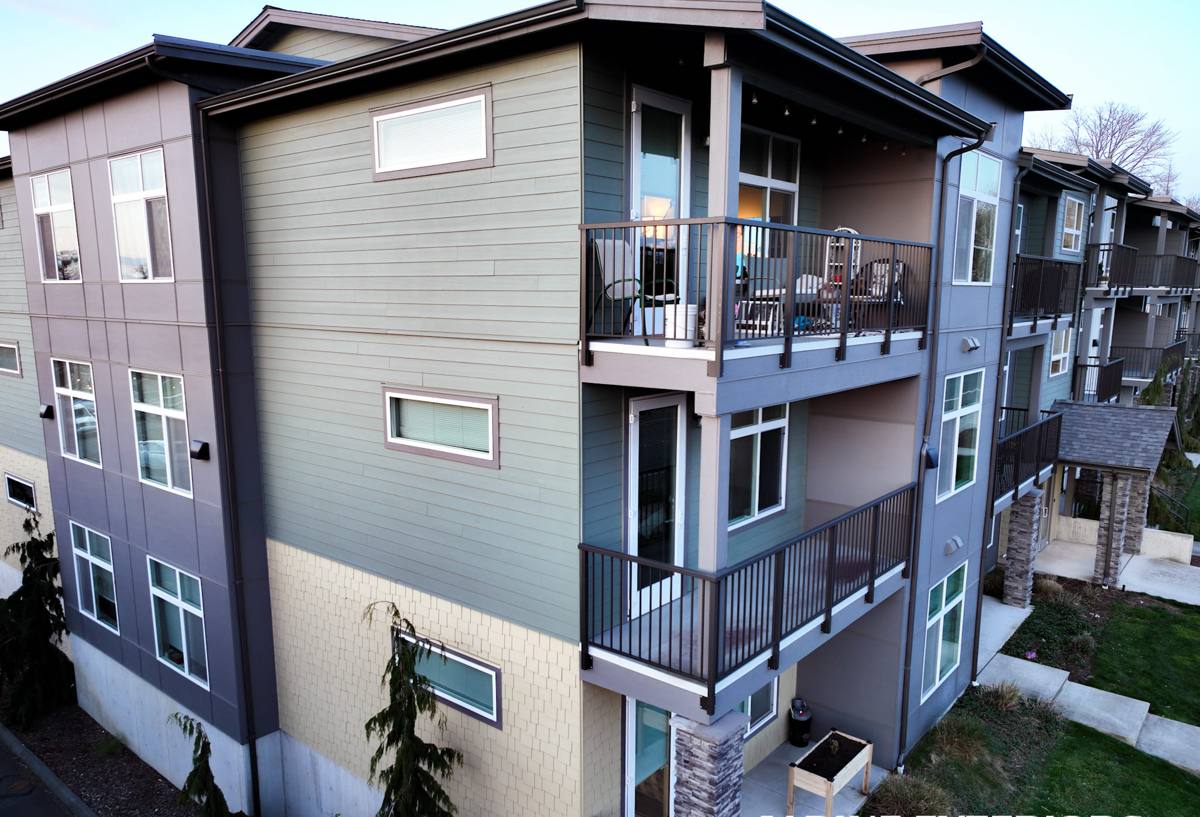
What Bellingham's Climate Does to Windows Over Time
Salt Air
Proximity to the water means airborne salt settles on exterior surfaces, including window frames and hardware. Over years, salt exposure accelerates corrosion on unprotected metal components — hinges, cranks, screws, and some aluminum cladding — and can dull or pit finishes faster than in a purely inland climate. It's not dramatic damage in year one, but it adds up, which is why hardware and cladding choices matter more here than they would fifty miles inland.
Driving Rain
Bellingham doesn't just get a lot of rain — it gets wind-driven rain, which behaves differently than a straight-down shower. Wind pushes water sideways and upward into gaps that would stay dry in a calmer climate, which means flashing details and sealant lines that would pass in a low-wind region can fail here. Any window installation in Birchwood has to assume water will be tested against the opening from more than one angle.
Moss Season
Whatcom County's mild, wet stretch from fall through spring is long enough that moss and algae get a real foothold on north-facing walls, sills, and anywhere water sits instead of draining. Moss holds moisture against a surface far longer than bare wood or vinyl would dry on its own, which is a slow but steady threat to sills, trim, and any wood components near the window opening.
Signs a Birchwood Home May Need Window Attention
Most window problems don't show up as one dramatic failure — they show up as small, easy-to-ignore signs that get worse over a wet winter or two. Worth checking for:
- Fogging or a cloudy haze between panes of double-pane glass (a sign the seal has failed)
- Soft, spongy, or darkened wood at the sill or bottom corners of the frame
- Paint that's bubbling, peeling, or chalking specifically around the window opening
- Drafts you can feel with a hand near the frame on a windy day
- Windows that stick, won't stay open, or are hard to latch
- Visible daylight or gaps between the frame and the siding or trim
- Moss or dark staining building up on the sill or the wall just below the window
- Noticeably higher heating bills without another obvious cause
Any one of these on its own might not mean replacement is urgent, but a few together — especially soft wood plus visible gaps — usually means water has been getting behind the window for a while.
What a Correct Window Installation Actually Involves
The window itself is only part of the job. In a climate like Bellingham's, the installation details around the window matter as much as the product, because that's what keeps water from getting behind the siding in the first place.
Removal and Opening Inspection
Once the old window is out, the rough opening gets inspected before anything new goes in. This is the point where hidden rot, old flashing failures, or framing issues actually get found — problems that were invisible from outside because the old window and trim were covering them.
Flashing and Water Management
Proper flashing directs any water that reaches the opening back out and away from the wall assembly, rather than letting it collect. Given how much wind-driven rain this area sees, we pay particular attention to the sill pan and the way flashing layers with the house wrap — installed in the wrong order, flashing can trap water instead of shedding it, which causes damage you won't see until it's already serious.
Sill Pan
A sloped sill pan under the window gives any water that does get past the glass and frame a way out instead of a place to sit. This detail matters more in a wet coastal climate than in a dry one, and it's one of the details that separates a durable installation from one that looks fine for a few years and then fails.
Air Sealing and Insulation
The gap between the window frame and the rough opening needs to be sealed and insulated correctly — not just stuffed with fiberglass, which can settle and leave gaps, and not oversprayed with expanding foam, which can bow the frame and affect operation. Done right, this step is what keeps drafts out and keeps the window operating smoothly for years.
Exterior Trim and Caulking
The final exterior details — trim, caulk lines, and any touch-up to the siding around the opening — are what take the brunt of the driving rain and salt air day to day. These need to be sealed with materials rated for exterior exposure and applied so water sheds away from the joint, not toward it.
Choosing the Right Window Material for a Birchwood Home
There's no single "best" window material for every house — it depends on the home's style, budget, and how much upkeep the owner wants to take on. Here's how the common options compare for a coastal Whatcom County home:
| Material | How It Handles This Climate | Maintenance | Typical Cost Position |
|---|---|---|---|
| Vinyl | Won't rot or corrode from salt air; handles moisture well | Low — occasional cleaning | Lower to mid-range |
| Fiberglass | Very stable through temperature and moisture swings; strong seal longevity | Low | Mid to upper range |
| Aluminum | Durable but prone to corrosion near salt air unless well-finished; conducts cold | Moderate — watch for pitting and condensation | Varies widely |
| Wood / Wood-Clad | Classic look, but exposed wood is the most vulnerable to this area's rain and moss | Highest — regular painting/sealing needed | Upper range |
For most Birchwood homes near the water and moss line, we steer clients toward vinyl or fiberglass for exterior-facing performance, and reserve wood or wood-clad for homes where the look is the priority and the owner understands the upkeep that comes with it. That's a maintenance and moisture-behavior tradeoff, not a knock on wood windows as a product — they can perform well in this climate when properly maintained, it's just more ongoing work than vinyl or fiberglass.
New Construction vs. Replacement Windows
The install approach changes depending on the situation:
Full-Frame (New Construction Style) Replacement
The old window and its frame come out entirely, exposing the rough opening down to the framing. This is more labor, but it's the right call when there's existing rot, when flashing needs to be corrected, or when the opening size is changing. Given how much water this region pushes at a house, we default to recommending full-frame replacement whenever the sill or framing shows any sign of past moisture damage.
Insert (Pocket) Replacement
The new window goes into the existing frame, which is faster and less invasive, but it only makes sense when that existing frame is still sound and properly flashed. Installing an insert window into a frame that already has hidden rot or bad flashing just seals the problem back up behind new trim.
Our Process, Start to Finish
- Free on-site walkthrough of the windows in question, including a look at trim, sills, and any visible moisture signs
- Honest assessment of whether full-frame or insert replacement is the right call for each opening
- Written estimate covering materials, labor, and timeline before any work starts
- Careful removal and opening inspection, with any hidden damage flagged and discussed before proceeding
- Installation with proper flashing, sill pan, air sealing, and exterior trim work
- Final walkthrough to check operation, seals, and cleanup
We don't push a sale on the first visit. If a window just needs minor repair rather than full replacement, we'll say so.
Why a Crew That Already Works in Birchwood Matters
A contractor who regularly works this specific stretch of Bellingham knows what the salt air, wind direction, and moss patterns typically do to homes in this neighborhood, because they've opened up enough walls here to see it firsthand. That familiarity shows up in small but real ways — knowing which sides of a house tend to take the worst of the driving rain, recognizing early moss and moisture patterns before they become structural problems, and not having to relearn local conditions on your project. It also means a shorter drive for warranty visits or follow-up questions, instead of waiting on a crew based somewhere with a different climate entirely.
Protecting Your Investment After Installation
A correctly installed window in this climate should need very little from you, but a few habits help it last:
- Rinse or wipe down sills periodically to keep salt residue and grime from building up
- Clear moss or debris off nearby surfaces before it spreads onto trim and sills
- Check caulk lines once a year, especially after a hard winter, and have any cracking touched up promptly
- Operate hardware (cranks, locks, latches) a few times a year so it doesn't seize from disuse
- Keep gutters and downspouts clear so runoff isn't dumping extra water near window openings
Questions Worth Asking Before You Hire
Whoever you choose for window installation in Birchwood, a few questions will tell you a lot about how they'll handle your project:
- Will you inspect and address the rough opening, or just install into what's there?
- What's your approach to flashing and sill pans specifically for this climate?
- Do you recommend full-frame or insert replacement for my situation, and why?
- What's covered under warranty, and for how long — both the product and the labor?
- Can I see your general liability and any required licensing?
If you're weighing window installation for a Birchwood home, we're happy to take a look and give you a straight answer about what your windows actually need — no pressure, no obligation. Fill out the form below for a free estimate.