 Bellingham
 Window Installation Built for the Barkley Area
Barkley sits close enough to Bellingham Bay and the Nooksack lowlands that homes here deal with a specific mix of weather: salt-laced air off the water, long stretches of driving rain, and a moss season that can run from October well into spring. Windows are one of the first places that weather finds a way in. A window that's sealed and flashed correctly shrugs off decades of this. One that isn't will show it in swollen sashes, foggy glass, and soft trim within a handful of years.
This page is about window installation specifically for the Barkley area of Bellingham — what the local climate asks of a window system, what a correct installation actually involves, and why it matters to hire a crew that already understands how houses in this part of Whatcom County are built and how they age.
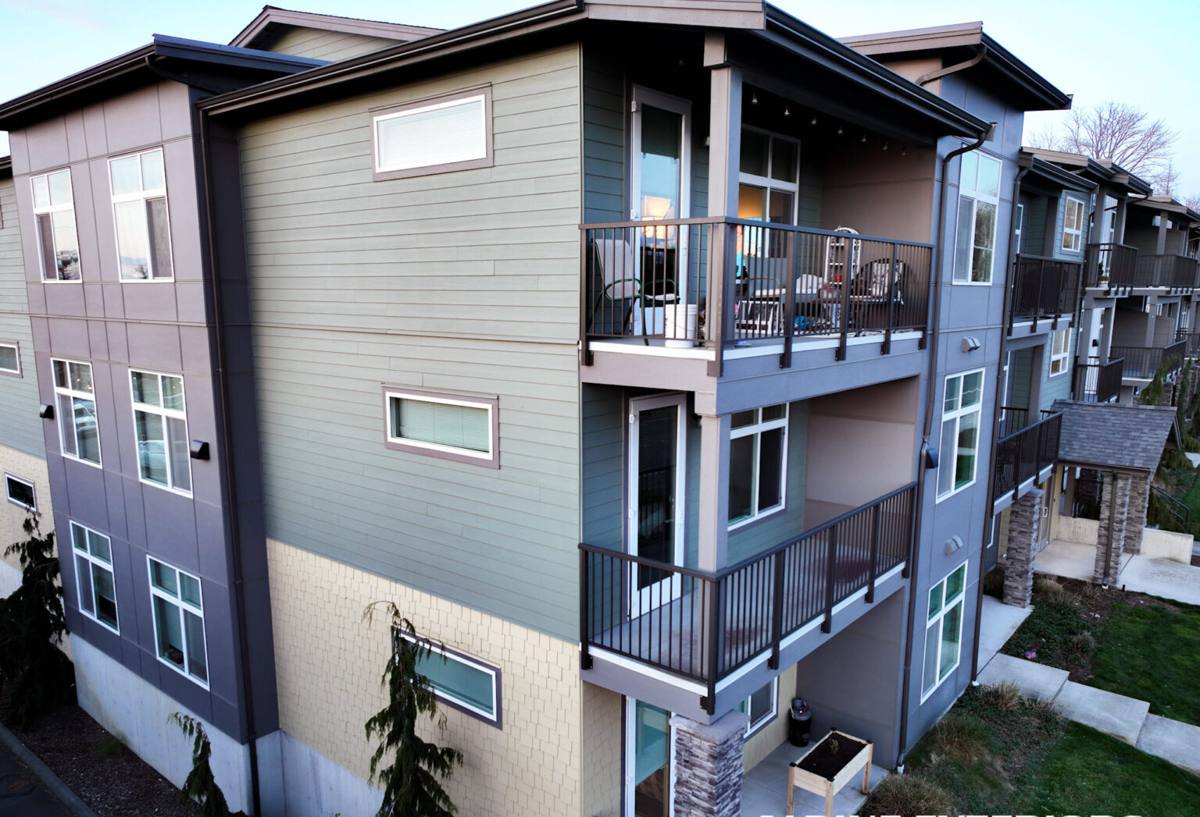
What Bellingham's Climate Does to Windows
Whatcom County weather is mild compared to a lot of the country, but mild doesn't mean easy on building materials. Three things drive most of the window problems we see in the Barkley area:
- Salt air: proximity to Bellingham Bay means airborne salt can accelerate corrosion on hardware, fasteners, and lower-grade metal components over time.
- Driving rain: wind-driven rain off the water pushes water sideways into gaps that would stay dry in a calmer climate, which is why flashing and sealant detailing matter more here than in drier regions.
- Moss and constant damp: extended wet, shaded conditions keep wood trim and sills damp for long stretches, which is exactly the environment moss, mildew, and slow rot need to take hold.
None of this is unusual for the Pacific Northwest, but it does mean a window installation done to a "good enough anywhere else" standard often underperforms here. The flashing details, sealant choices, and drainage paths that matter less in a dry climate matter a lot in Bellingham.
Signs a Barkley Home Needs Window Attention
Homeowners usually notice a problem window well before they call anyone about it. Common signs we hear about in this area include:
- Condensation building up between the panes of a double-pane window — a sign the seal has failed
- Sashes that stick, drag, or won't stay open on their own, often from swelling wood or a warped frame
- Visible soft or discolored trim and sills, especially on north- and west-facing walls that stay shaded and damp
- Drafts you can feel near the frame on a windy day, even with the window fully latched
- Moss or dark streaking building up on the exterior trim around the window opening
- A noticeable jump in heating costs without any other explanation
Any one of these on its own might just mean a window needs caulking or a minor repair. Several together, especially on an older home, usually point to failing seals or degraded flashing that a repair won't fully solve.
What a Correct Window Installation Involves
Window installation is often talked about like it's just "removing the old one and setting in the new one." In a wet climate like Bellingham's, the parts that matter most are the ones you don't see once the trim goes back on.
The Opening Itself
Before a new window goes in, the rough opening gets inspected for hidden damage — soft framing, old moisture staining, or evidence of prior leaks. Skipping this step and installing a new window over a compromised opening just seals the problem behind fresh material.
Flashing and Drainage
This is the detail that matters most in a driving-rain climate. Flashing has to be layered correctly — usually sill pan flashing at the bottom, with side and head flashing integrated with the home's existing water-resistive barrier — so that any water that does get past the window sheds down and out, rather than pooling at the sill or working its way into the wall assembly.
Sealing and Insulation
The gap between the window frame and the rough opening needs to be sealed and insulated without trapping moisture. Over-sealing with the wrong material can actually hold water against wood framing; the right approach uses backer rod, appropriate sealants, and low-expansion foam so the assembly can still manage incidental moisture.
Level, Plumb, and Square
A window that isn't set level, plumb, and square will bind, won't latch fully, or will put uneven stress on the seals — any of which shortens its working life regardless of how good the window itself is.
Our Process
We keep the process straightforward because homeowners deserve to know what's happening at each stage:
- On-site assessment: we look at each window opening, check for hidden moisture or framing damage, and talk through what's driving the need for replacement.
- Product selection: we go over frame material, glass options, and performance ratings suited to your home's exposure — a west-facing wall that takes the brunt of storms may call for different specs than a sheltered side yard.
- Written estimate: a clear scope and price before any work starts, so there are no surprises.
- Removal and opening prep: old windows come out carefully to avoid unnecessary damage to trim and siding, and the opening is checked and repaired as needed.
- Flashing and installation: new flashing, sealants, and the window itself go in following manufacturer specs and the drainage detailing this climate requires.
- Trim and finish work: interior and exterior trim is reset or replaced, and everything is sealed to shed water correctly.
- Final walkthrough: we check operation, look at the finished sealing and trim work with you, and answer any questions before we consider the job done.
Choosing Window Materials and Glass
There's no single "best" window for every home — the right choice depends on exposure, budget, and how the house is built. Here's how the common options compare for a climate like Bellingham's:
| Frame Material | Moisture Behavior | Maintenance | Notes for This Climate |
|---|---|---|---|
| Vinyl | Doesn't rot or corrode; won't absorb water | Low — occasional cleaning | Reliable, budget-friendly choice for damp, salt-air conditions |
| Fiberglass | Very stable; resists warping and swelling | Low | Strong option where wide temperature and moisture swings occur |
| Wood (clad exterior) | Interior wood protected; exterior clad in vinyl or metal | Moderate — clad side is low-maintenance, interior wood needs occasional attention | Good look, but detailing at the clad-to-wood transition matters more in wet climates |
| Solid wood | Attractive but vulnerable to moisture without diligent upkeep | High — regular painting/sealing required | We're honest that this is a bigger maintenance commitment given our rain and moss season |
| Aluminum | Durable but conducts cold and can be prone to condensation | Low structurally, but condensation control matters | Salt air can accelerate corrosion on lower-grade hardware over time |
Glass matters as much as frame material. Double-pane, low-E glass is the practical standard for this area — it cuts heat loss and helps control condensation on cold, damp mornings. Triple-pane can make sense on exposed walls that take the worst of the wind and rain, though it comes at a higher cost and added weight.
What Drives the Cost of a Window Installation
Every home is different, so we don't quote sight unseen, but the main factors that move the price are consistent:
| Factor | Why It Matters |
|---|---|
| Number and size of windows | More openings and larger glass areas mean more material and labor |
| Frame material | Vinyl, fiberglass, wood-clad, and solid wood carry different price points |
| Condition of the rough opening | Hidden rot or framing damage adds repair work before the new window can go in |
| Access and height | Second-story or hard-to-reach windows take more time and equipment |
| Glass upgrades | Triple-pane, tinted, or impact-resistant glass adds cost over standard double-pane |
| Trim and finish work | Matching existing trim profiles or repainting adds finish labor |
We'd rather walk your home and give you real numbers than throw out a broad range that doesn't hold up once we see the actual openings.
Why a Crew That Already Works Barkley Matters
A lot of window problems in this area trace back to installation shortcuts rather than bad products — flashing skipped or done out of sequence, sealant used where drainage should have been left open, or an opening that was never checked for hidden damage before the new window went in. A crew that regularly works in and around Bellingham has already seen how these mistakes show up years later, and builds the job to avoid them the first time.
There's also a practical side to hiring local: faster response for an initial look, easier scheduling for a follow-up if something needs attention, and a crew that isn't guessing at how Whatcom County's damp, rainy stretches interact with window assemblies over time.
Maintaining Your Windows After Installation
A correctly installed window still benefits from basic upkeep, especially given how long our wet season runs:
- Clear debris and moss from window sills and surrounding trim before it holds moisture against the surface
- Check exterior caulking annually and have any cracked or missing sealant redone before winter rains set in
- Operate each window a few times through the year so hardware and weatherstripping don't seize up from disuse
- Keep gutters and downspouts clear so overflow isn't running down the wall and pooling at window heads
- Watch for early condensation between panes — it's the clearest early sign of a failing seal
If your windows are showing their age or you're planning ahead for a remodel, we're happy to take a look and walk you through honest options for your home. There's a free, no-pressure estimate form below — reach out and we'll get you scheduled.