 Bellingham
 Board & Batten Siding in Bellingham's Columbia Neighborhood
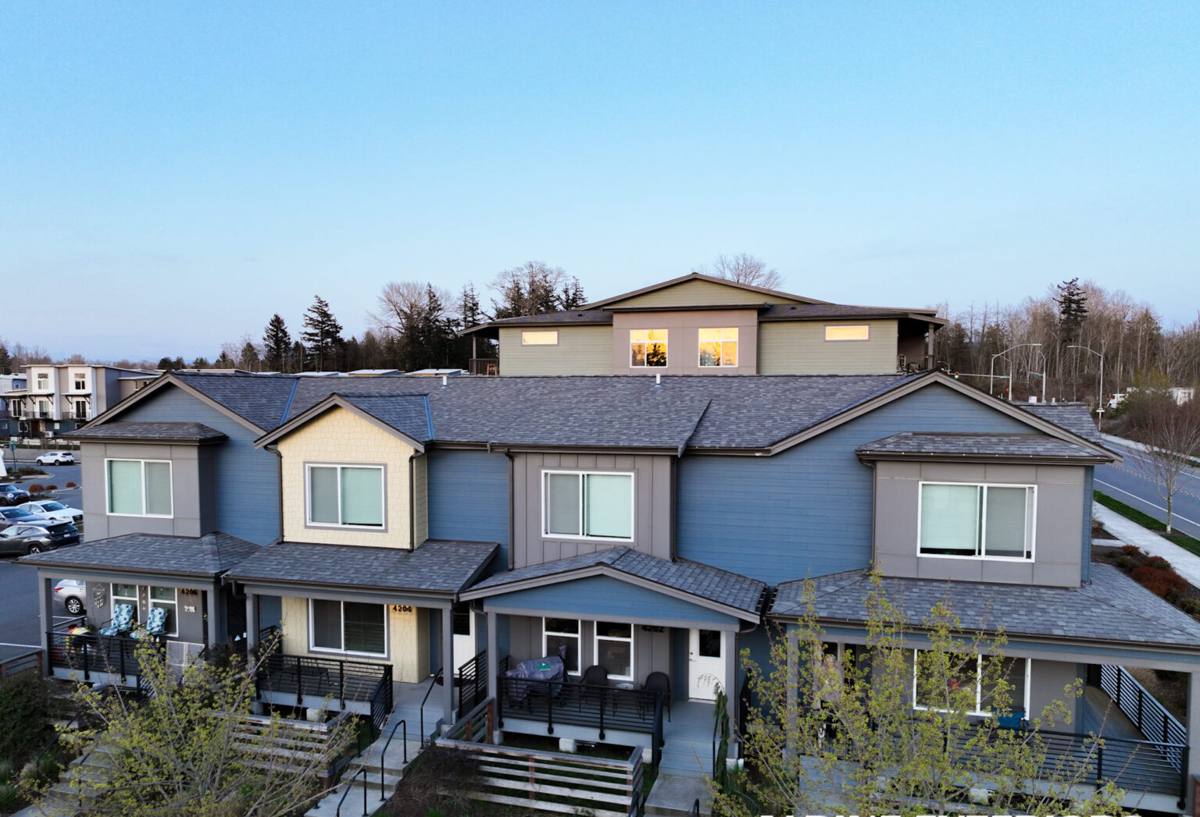
Columbia is one of Bellingham's older residential pockets, and it shows in the housing stock: a mix of early-1900s cottages, mid-century infill, and newer builds sitting close together on tree-lined streets. Board and batten siding fits that mix well. The vertical lines read as classic farmhouse on an older cottage, clean and modern on a newer build, and work equally well as a full-wall treatment or as an accent on a gable, dormer, or entry bay. It's one of the more requested siding profiles we get calls about in this part of Whatcom County, and for good reason — it's a distinctive look. But board and batten also has more seams, more fastening points, and more exposed trim than a standard lap profile, which means the material and the installation matter more here than they do almost anywhere else in siding work.
What Bellingham's Climate Asks of Board & Batten Siding
Whatcom County's climate is mild by national standards, but it is relentless in ways that matter to an exterior. Board and batten's vertical boards and raised battens create more joints, more end grain, and more places for water to find a way in than a horizontal lap profile does. In a drier climate that's a minor design detail. In Bellingham, it's the difference between a wall system that lasts decades and one that starts failing at the seams within a few years.
Salt Air Off Bellingham Bay
Homes anywhere near Bellingham Bay deal with a low but steady dose of salt-laden air. Salt air accelerates the breakdown of paint films, corrodes uncoated fasteners, and speeds up the general weathering of exterior materials. Board and batten's exposed batten faces and trim edges take more of that exposure than a flat lap wall does, simply because there's more surface geometry catching the air.
Driving, Wind-Driven Rain
Bellingham doesn't just get a lot of rain — it gets rain pushed sideways by wind off the water, which finds horizontal ledges, batten edges, and panel joints that vertical siding profiles are naturally more prone to. A board and batten wall that isn't detailed correctly behind the boards will trap that moisture instead of shedding it, and the damage often doesn't show on the surface until it's well established underneath.
A Moss Season That Doesn't Really End
Between the tree cover common in older Bellingham neighborhoods and the region's long wet season, moss and algae growth on north-facing and shaded walls is close to a year-round condition rather than a seasonal nuisance. Batten faces and panel grooves give moss more of a foothold than a smooth lap wall, and the wrong substrate material will let that moss hold moisture against the wood or wood-based panel underneath.
Why We Only Install Board & Batten in James Hardie Fiber Cement
We don't install board and batten in vinyl, primed wood, cedar, or engineered wood products like LP SmartSide. That's a deliberate standard, not a lack of options. Vinyl board and batten relies on plastic battens that expand and contract with temperature and can warp or bow over time, and it doesn't hold paint if a homeowner ever wants to change the color. Wood and engineered-wood board and batten look right on day one, but they're wood-based, and wood-based products are the most vulnerable to exactly the conditions Bellingham throws at a wall: sustained moisture, moss, and salt air.
James Hardie's board and batten systems — vertical HardiePanel siding with HardieTrim battens — are fiber cement: a mix of cement, sand, and cellulose fiber that doesn't rot, doesn't support moss growth the way wood does, and is non-combustible. Hardie engineers its HZ5 product line specifically for climates like the Pacific Northwest's, with moisture resistance built into the panel itself rather than relying entirely on paint film to keep water out. The factory-applied ColorPlus finish is baked on and warranted separately from the substrate, which matters a lot on a board and batten wall — repainting a batten wall by hand, especially the narrow batten faces and inside corners, is slow and expensive work that a factory finish avoids for years longer than field-applied paint.
What a Correct Installation Involves
Board and batten is unforgiving of shortcuts. The profile looks simple from the street, but the assembly behind it is doing more work than most homeowners realize.
Rainscreen and Furring Strips
In a climate this wet, we build board and batten walls with a drainage gap behind the panel — vertical furring strips over the weather-resistive barrier — rather than fastening the panel directly to the wall. That gap lets any moisture that does get behind the siding drain and dry instead of sitting against the sheathing. On a profile with as many seams as board and batten, skipping this step is one of the most common reasons these walls fail early.
Fastening and Batten Spacing
Panels and battens need to be fastened per the manufacturer's specification — correct fastener type, spacing, and edge distance — and battens need consistent spacing that both looks right and gives each seam proper coverage. Inconsistent batten spacing is a cosmetic problem you'll see from the sidewalk; incorrect fastening is a structural one you won't see until the wall is failing.
Flashing, Z-Trim, and Panel Joints
Every horizontal joint, window head, and transition needs proper flashing or Z-trim to direct water out and away from the wall assembly rather than behind it. This is where wind-driven rain finds its way in on a poorly detailed job, and it's the single biggest quality difference between a board and batten wall that lasts and one that doesn't.
Board & Batten Options Compared
| Material | Moisture Performance | Maintenance | Fire Rating | Typical Lifespan |
|---|---|---|---|---|
| James Hardie fiber cement | Engineered for wet climates; doesn't rot | Factory finish, minimal repainting | Non-combustible | 30+ years to first repaint |
| Vinyl board & batten | Sheds surface water; can trap moisture behind it | Low, but battens can warp and can't be repainted | Combustible, can melt/deform | 15-25 years |
| Primed wood or cedar | Absorbs moisture; vulnerable at joints and end grain | High — regular repainting/sealing | Combustible | 10-20 years depending on upkeep |
| Engineered wood (e.g. LP SmartSide) | Better than raw wood but still wood-based | Moderate — periodic repainting | Combustible | 20-30 years with upkeep |
Our Process for Columbia Homes
We work Columbia and the surrounding Bellingham neighborhoods regularly, and the process stays consistent because the climate variables don't change much street to street.
- Wall assessment — we check existing siding, sheathing, and trim for hidden moisture damage before quoting anything, since that changes the scope of prep work.
- Moisture barrier and drainage prep — weather-resistive barrier and furring installed to build in a drainage gap behind the new siding.
- Panel and batten installation — HardiePanel and HardieTrim installed to manufacturer fastening spec, with attention to consistent batten spacing.
- Flashing and trim detail — all joints, windows, and transitions flashed to shed water outward.
- Final walkthrough — we review the finished wall with the homeowner before calling the job done.
What Affects the Cost
Board and batten in fiber cement generally costs somewhat more than a standard lap installation, mainly because of the added trim and labor, not the panel material itself. A few things move the price on a given Columbia home:
- Whether it's a full-wall installation or an accent application on a gable or entry
- Condition of the existing wall — hidden moisture damage adds tear-off and repair scope
- Amount of trim, window, and corner detail on the home
- Home size and number of stories, which affects access and labor time
- Color selection, since some ColorPlus finishes and custom colors carry different lead times
We give homeowners a real number after seeing the wall in person — board and batten has enough job-to-job variation that a phone estimate isn't a responsible one.
Maintenance in a Salt-Air, Moss-Heavy Climate
Fiber cement board and batten is low maintenance compared to wood or vinyl, but "low maintenance" isn't "no maintenance" in this climate. A simple annual routine keeps a Hardie board and batten wall performing the way it's designed to:
- Rinse the wall, especially shaded and north-facing sections, once or twice a year to keep moss and algae from establishing
- Keep gutters clear so overflow doesn't run down the wall face and concentrate at batten joints
- Trim back vegetation and tree cover that keeps a wall section shaded and damp longer than the rest of the house
- Check caulking at trim and window transitions every few years and have it renewed if it's cracking or pulling away
- Have any impact damage or chipped finish touched up promptly rather than left exposed
Why Hire a Crew That Already Works in Columbia
Board and batten's failure points — trapped moisture behind the panel, poor batten spacing, missing flashing — usually aren't visible until years after installation, which means the contractor's judgment during the build is doing most of the work of protecting the homeowner's investment. A crew that already installs siding across Bellingham and Whatcom County has seen how these walls perform in this specific combination of salt air, driving rain, and moss over multiple seasons, not just on paper. That's the difference between a board and batten wall that still looks and performs correctly in fifteen years and one that needs early repair.
If you're considering board and batten siding for a home in Columbia, we're happy to take a look at the wall, walk through what it would involve, and put together a straightforward, no-pressure estimate — no obligation either way.