 Bellingham
 Deck Replacement Built for Columbia's Weather, Not Just Its Look
A deck in the Columbia neighborhood works harder than most homeowners realize. Between the marine layer rolling in off Bellingham Bay, long stretches of drizzle from fall through spring, and the shade thrown by mature evergreens on a lot of Columbia properties, a deck here is dealing with near-constant moisture for most of the year. Add in the salt-laced air common to homes closer to the water, and you've got a combination that ages untreated or poorly built decking fast — soft boards, rusted fasteners, and a slick coat of moss that shows up every winter whether you want it or not.
We're not describing a worst-case scenario. This is the normal life cycle for a deck in this part of Whatcom County. A deck that was built without that reality in mind — wrong fastener grade, no real drainage plan, decking laid tight with no gap for water to shed — is going to need real work well before its time. Deck replacement done right for a Columbia home means designing and building for these conditions from the ground up, not just swapping out old boards for new ones and hoping for the best.
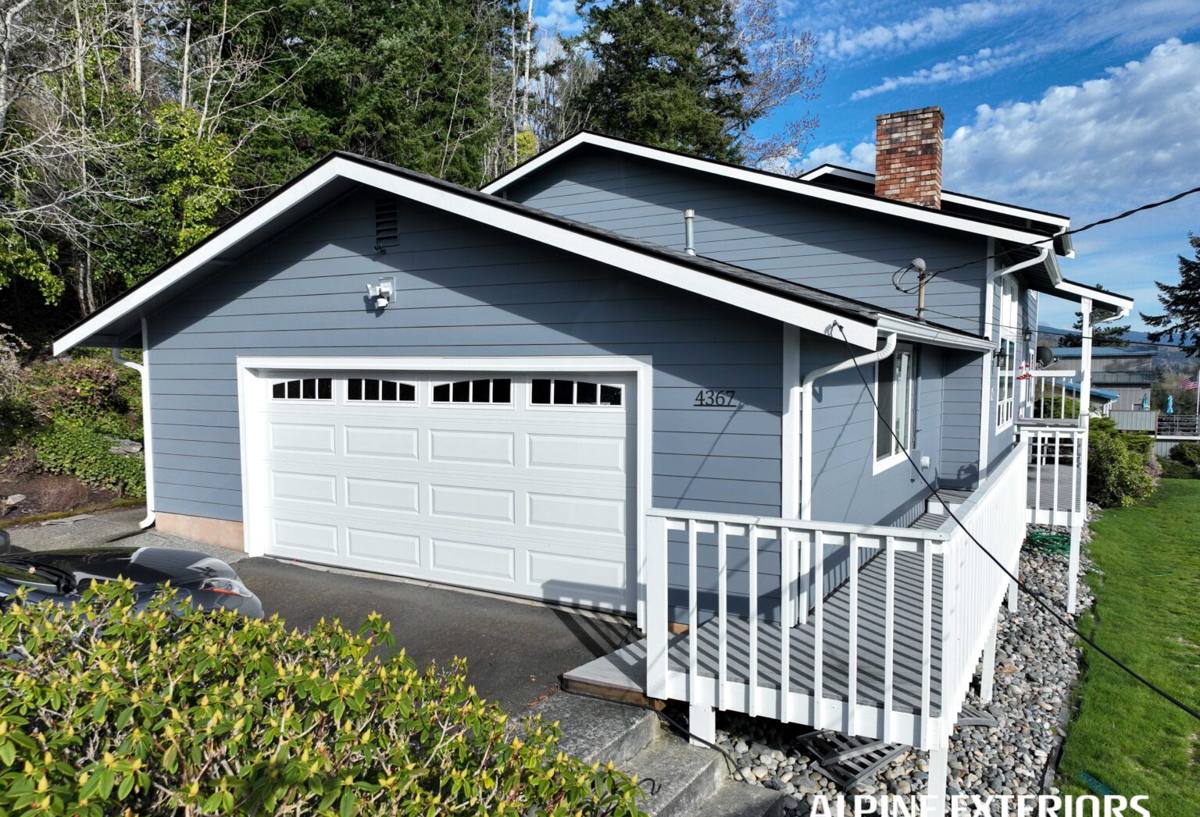
How to Tell a Deck Needs Replacing, Not Just Repairing
Not every tired-looking deck needs to be torn out. But there's a point where patching individual boards or re-staining stops making sense, and that point comes sooner in a wet, mossy climate than it does in a dry one. A few signs worth paying attention to:
- Soft or spongy spots underfoot, especially near the house or in shaded corners where moisture sits longest
- Rust streaks bleeding out from fasteners — a sign the hardware is failing, not just cosmetic staining
- Gaps or cupping in the boards that keep getting worse each wet season
- Ledger board area showing discoloration or separation from the house rim joist
- Railings that flex or feel loose when you lean on them
- Persistent moss or algae that comes back within weeks of cleaning, even after a good scrub
- Visible rot in joists or posts when you check underneath the deck
If it's one or two boards and the frame underneath is sound, repair is usually the honest answer and we'll say so. If the framing itself is compromised, or the deck is old enough that the ledger connection and fasteners are due regardless, replacement is the more responsible call — patching a failing structure just delays a bigger problem and adds cost on top of cost.
What a Correct Deck Replacement Actually Involves
Assessment and Structural Check
Before any demo starts, we look at the whole system — ledger attachment, footings, joist spacing, and how water currently moves across and off the existing deck. In a climate like ours, drainage is not an afterthought; it's the difference between a deck that lasts and one that starts failing again in five years.
Tear-Out and Disposal
Old decking, railings, and any compromised framing come out completely. We check the ledger board and the house rim joist behind it for hidden moisture damage, which is one of the most common problems we find on older Bellingham-area decks once the surface boards are removed.
Framing and Flashing
This is where most of a deck's long-term durability actually comes from, even though it's invisible once the job is done. Correct flashing at the ledger keeps water from wicking into the house structure. Joist spacing and blocking get set for the specific decking material going down, since composite and wood have different span requirements. Fasteners and hardware get matched to the environment — coastal-rated, corrosion-resistant connectors matter here in a way they wouldn't in a drier inland climate.
Decking Installation
Boards go down with proper gapping for drainage and seasonal movement, and layout accounts for water runoff direction so puddling doesn't become a chronic issue in one corner of the deck.
Railings, Stairs, and Finish Details
Railing systems get tied into the structure properly, not just surface-screwed. Stair stringers, fascia, and any trim get finished to match the rest of the exterior, and everything gets a final check for level, secure fasteners, and clean sightlines before we call it done.
Decking Material Options — Honest Trade-Offs for This Climate
There's no single "best" decking material for every home — it depends on budget, how much upkeep you're willing to do, and how much shade and moisture the deck sits under. Here's how the common options actually compare once you factor in a Bellingham winter.
| Material | Upfront Cost | Maintenance | Moisture/Moss Behavior |
|---|---|---|---|
| Pressure-treated wood | Lowest | Annual cleaning and re-staining recommended | Prone to moss and graying without regular upkeep; needs sealing to resist moisture cycling |
| Cedar | Mid-range | Regular sealing to preserve color and resist rot | Naturally more rot-resistant than treated pine, but still needs maintenance in wet shade |
| Composite decking | Higher | Occasional washing, no staining or sealing | Resists rot and doesn't absorb moisture, though algae/moss can still grow on the surface film and needs periodic cleaning |
We install all three depending on what a homeowner wants. Our standard for any of them is proper spacing, ventilation underneath the deck, and drainage detailing — because even the best composite board will develop problems if it's sitting in standing water or installed without airflow underneath. Material quality matters less than installation quality when the climate is working against you every day of the year.
Why Moss and Salt Air Are the Real Enemy Here
Two things do more damage to Columbia-area decks than anything else: moss and salt exposure. Moss holds moisture directly against the decking surface, which keeps wood wet far longer than open weather would on its own, and it makes stairs and walking surfaces genuinely slick and unsafe in wet months. Salt air, common for properties with any exposure toward the bay, accelerates corrosion on fasteners, railings, and any exposed metal hardware — which is why we spec corrosion-resistant connectors as standard, not an upgrade.
A deck built without accounting for both of these will show it within a few seasons: moss creeping into the board gaps, screw heads bleeding rust, railings loosening as the anchoring hardware degrades. Building for it from the start — right hardware grade, right drainage, right gap spacing — is what keeps a replacement deck from becoming a repeat repair job five years down the road.
Permits and Local Code
Deck replacement projects in Bellingham typically require a permit, especially when the work involves structural framing, ledger reattachment, or any change to the deck's footprint or height. Requirements can vary depending on the deck's size, height above grade, and proximity to property lines. We handle the permit process as part of the job so homeowners aren't left navigating City of Bellingham or Whatcom County requirements on their own, and we build to current code on framing spans, railing height, and guard spacing regardless of whether a permit is required for a given project.
What to Ask Before You Hire a Deck Contractor
Deck replacement is a trade where shortcuts are easy to hide once the boards go down — bad flashing, undersized joists, and cheap fasteners all look fine on day one. A few questions worth asking any contractor bidding the job:
- Will you pull a permit, and is that included in the bid?
- What fastener and hardware grade are you using, and is it rated for coastal/marine exposure?
- How will the ledger board be flashed against the house?
- What's your plan for drainage and gapping given how much rain this area gets?
- Is the quote itemized for framing, decking, railings, and disposal, or is it one lump number?
- Do you carry liability insurance and can you provide proof?
- What's the expected timeline, including any permit review wait?
A contractor who answers these clearly and specifically, without vague reassurances, is usually one who's done this enough times to know exactly what your particular property needs.
Why a Crew That Already Works Columbia Matters
A deck built in a dry inland climate and one built in Columbia should not look the same underneath, even if they look identical from the yard. Fastener selection, flashing details, drainage slope, and even how tight the decking boards get spaced — all of it should reflect the fact that this deck will spend a good chunk of the year wet, shaded, and exposed to salt-tinged air. A crew that works this specific area regularly has already seen what happens when those details get skipped, because we're often the ones called in to fix it. That experience shows up in the small decisions made during a build, not just the finished look.
Get a Straightforward Estimate
If your deck is showing its age or you're planning ahead of next winter's wet season, we're happy to take a look and give you an honest read on repair versus replacement — no pressure, no inflated scope. Fill out the form below to schedule a free estimate for your Columbia-area home.