 Bellingham
 Building New in Cordata Means Building for Wet Weather From Day One
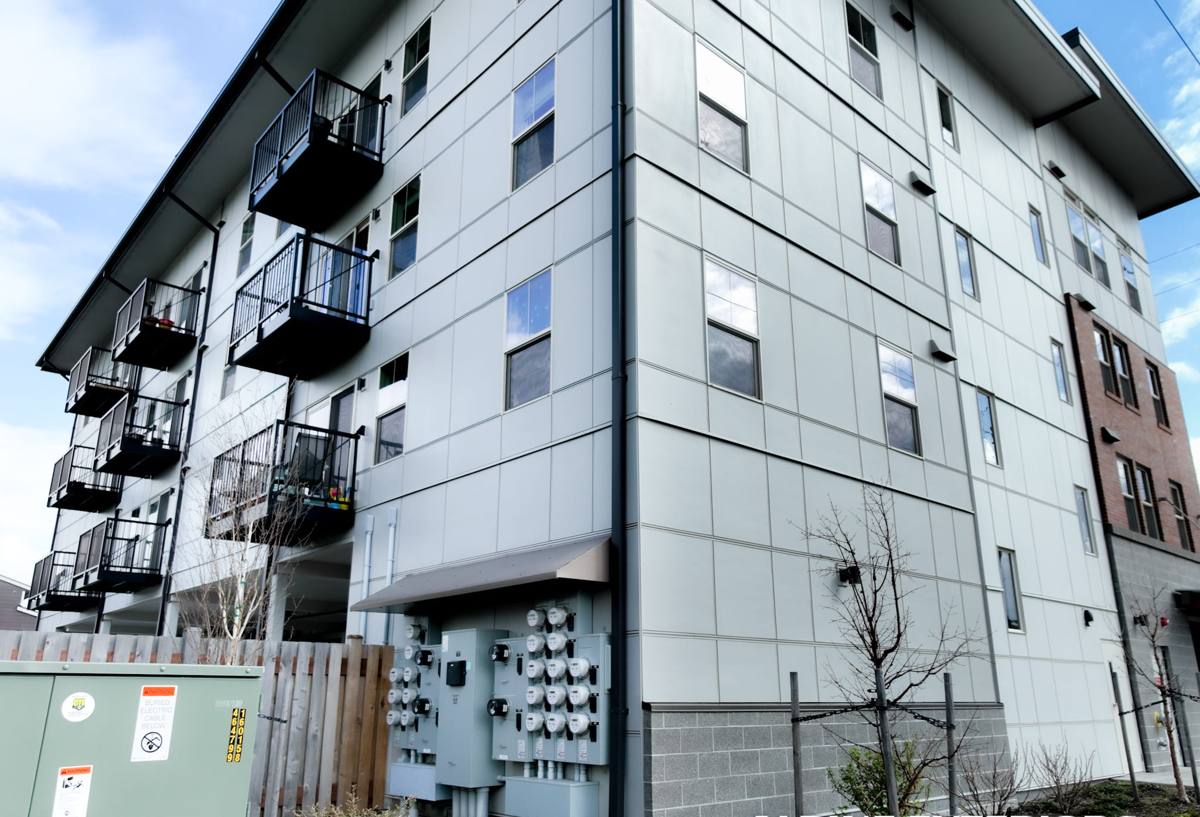
Cordata sits far enough inland from Bellingham Bay that homeowners sometimes assume salt air and coastal moisture aren't really their problem. In practice, Whatcom County's marine climate doesn't stop at the shoreline — it's the driving rain off Georgia Strait, the near-constant humidity, and the long stretch of gray, low-sun months that grows moss on anything that stays damp too long. New construction in this neighborhood, whether it's a single custom home, an infill lot, or a multi-unit build near the commercial corridor, gets one real shot at doing window installation correctly before siding, trim, and interior finishes lock everything in place.
That's the core difference between new-construction window work and a retrofit or replacement job: with new construction, the window opening, the water-resistive barrier (WRB), the flashing sequence, and the siding transition are all being built together for the first time. Get that sequence right and the windows will shed water for decades with minimal fuss. Get it wrong — even in small ways that don't show up on a walk-through — and you're setting up a homeowner in Cordata for slow leaks, stained sheathing, and moss creeping into gaps that should have stayed sealed.
What Cordata's Climate Actually Demands From a Window Install
Bellingham doesn't get the punishing wind-driven rain of the outer coast, but it gets enough sustained, low-intensity rain and enough humidity swings to punish sloppy flashing work over time. A few things matter specifically here:
- Sustained wetting, not just storms. Whatcom County's rain pattern is long and steady rather than short and violent, which means water has more time to find any gap in a window's drainage path.
- Moss and organic growth. Shaded elevations and north-facing walls in Cordata's tree-lined lots stay damp longer, which accelerates moss and algae growth on sills, trim, and any horizontal surface that doesn't drain cleanly.
- Salt-tinged air. Even inland from the bay, prevailing weather carries some marine air, which is harder on unprotected fasteners, low-grade flashing tape, and certain finishes over the long run.
- Temperature swings between seasons. Cordata sees real seasonal shifts — cold, damp winters and warmer, drier summers — which means window frames and sealants need to handle expansion and contraction without losing their seal.
None of this requires exotic materials. It requires a disciplined, correct installation sequence and window products chosen with this climate in mind — not just the cheapest option that fits the rough opening.
Why "It Looks Fine From Outside" Isn't Good Enough
A window can look perfectly installed — square, plumb, trimmed out nicely — and still be set up to fail if the flashing behind the trim wasn't lapped correctly or the sill pan wasn't sloped to drain. In new construction, this is the stage where mistakes get buried. Nobody sees the flashing again once siding goes on. That's exactly why the installation sequence matters more than the finish carpentry that everyone notices.
The Correct Installation Sequence for New-Construction Windows
There's a right order of operations for setting a window into a new rough opening, and skipping steps — or doing them out of sequence — is where most long-term water problems start. Our process on Cordata builds follows this general sequence:
- Rough opening check. Confirm the opening is square, level, and sized correctly for the specified window unit before anything else happens.
- Sill pan installation. A sloped, sealed sill pan at the bottom of the opening gives any water that does get past the window somewhere to go — out, not into the wall cavity.
- WRB integration. The house wrap or weather-resistive barrier gets cut and lapped so that upper layers always overlap lower layers, following proper shingle-lap order around the entire opening.
- Flashing tape at jambs and head. Self-adhered flashing tape seals the window flange to the WRB in the correct sequence — sill first, then jambs, then head — so water is always directed outward and downward.
- Setting the window. The unit is set into the opening, checked for square and level, and fastened per the manufacturer's schedule — not just "enough screws to hold it."
- Backer rod and sealant. Interior and exterior sealant joints are sized and backed correctly so they flex with temperature changes instead of cracking.
- Exterior trim and siding tie-in. Trim and siding are integrated so water is shed away from the window unit, not funneled toward it.
Any one of these steps done wrong can undermine the rest. A perfect sill pan doesn't help if the head flashing is lapped backward and channels water straight down behind the WRB.
Choosing Window Products for This Climate
New construction gives you the freedom to choose window products up front rather than working around whatever is already installed. For Cordata's climate, the priorities we walk homeowners and builders through are:
- Frame material and finish durability — how the frame holds up to sustained moisture and occasional salt-tinged air over 20-plus years, not just how it looks on day one.
- Glazing package — double-pane with a quality low-E coating is the baseline for this region; the payoff is fewer condensation issues on cold, humid days and better comfort near the glass.
- Drainage design — some window units have better built-in weep systems than others; this matters more here than in a dry climate because water has more opportunities to reach the sill.
- Installation flange type — nail-flange, block-frame, and flush-fin units each call for a different flashing detail, and the crew needs to be fluent in whichever one is specified.
We don't push one brand as the only option. What we push is a documented, correct install for whatever quality window line the homeowner or builder has chosen — because even a premium window fails early if it's flashed poorly.
Comparing Installation Approaches
Not all "window installation" quotes describe the same scope of work. Here's how the common approaches stack up for a new-construction job in this climate:
| Approach | What's Included | Risk in Cordata's Climate |
|---|---|---|
| Set-and-caulk only | Window set in opening, gaps caulked, trim installed | High — no sill pan or proper flashing lap means water intrusion risk over time |
| Basic flashing tape, no sill pan | Tape at jambs and head, but sill relies on caulk alone | Moderate — better than nothing, but the sill is the weakest point in sustained rain |
| Full flashing sequence with sill pan | Sloped sill pan, correctly lapped WRB and tape, proper fastening | Low — this is the standard we build to and recommend for any new build here |
Our Process for Cordata New-Construction Jobs
Whether we're coordinating with a builder's framing schedule or working directly with a homeowner managing their own new build, the process looks like this:
- Site walk and plan review. We look at the rough openings, elevations, and exposure — which walls face prevailing weather, which stay shaded and damp longer — before recommending a flashing and window spec.
- Product selection guidance. We help match window units to the budget and the climate demands, without steering toward unnecessary upgrades.
- Scheduled install within the build sequence. Windows go in at the right point relative to WRB and siding work — not rushed ahead of a framing crew's timeline, not delayed until it's inconvenient to flash correctly.
- Documented flashing detail per opening. Every window gets the same sequence, every time, regardless of how repetitive it feels on a busy job site.
- Final check before siding closes it in. This is the last chance to catch a flashing issue before it's covered for good, and we treat it that way.
A Practical Checklist for Homeowners and Builders
If you're managing your own new build in Cordata and want to sanity-check a window installer's work, ask about these specifically:
- Is there a sloped sill pan under every window, not just caulk at the sill?
- Is the WRB lapped in shingle-fashion (upper over lower) around each opening?
- Is flashing tape applied in the correct order — sill, jambs, then head?
- Are fasteners rated for the window's flange type and this region's moisture exposure?
- Is there a plan for how siding and trim will tie into the window's water management, not just its appearance?
Why Local Experience in Cordata Specifically Matters
A lot of window and siding problems we get called to fix later trace back to a crew that installed correctly for a drier climate but not for Whatcom County's. Sustained rain exposes weak flashing details that a one-time storm somewhere drier might never reveal. A crew that regularly works Cordata and the surrounding Bellingham area already knows which elevations tend to stay damp longest, how moss establishes itself on north-facing trim, and which small shortcuts tend to turn into callbacks two or three years down the road.
That familiarity doesn't show up as anything dramatic on install day — it shows up as a sill pan that's actually sloped, tape that's lapped in the right order, and a crew that doesn't rush the flashing sequence just because the framing schedule is tight. On a new-construction job, that's the entire difference between windows that perform for 20-plus years and ones that need attention far sooner than they should.
Maintenance After the Windows Are In
Correct installation does most of the work, but a little seasonal attention keeps things performing well:
- Clear debris and moss buildup from exterior sills and trim, especially on shaded, north-facing walls.
- Check exterior sealant joints yearly for cracking or separation, particularly after the first full winter as materials settle in.
- Keep gutters and downspouts clear so roof runoff isn't dumping extra water onto window heads below.
- Watch for any interior staining near window frames after heavy rain — an early sign worth investigating, not ignoring.
None of this is complicated, but it's easier to stay ahead of than to fix after moisture has already worked its way into wall framing.
Getting Started on Your Cordata Build
If you're planning new construction or a major addition in Cordata and want window installation done right the first time, we're happy to walk your plans, talk through product options, and lay out exactly how our flashing sequence protects the build against Whatcom County's wet, moss-prone climate. Reach out for a free, no-pressure estimate using the form below.