 Bellingham
 Decks Built for Sudden Valley's Wooded, Lake-Damp Setting
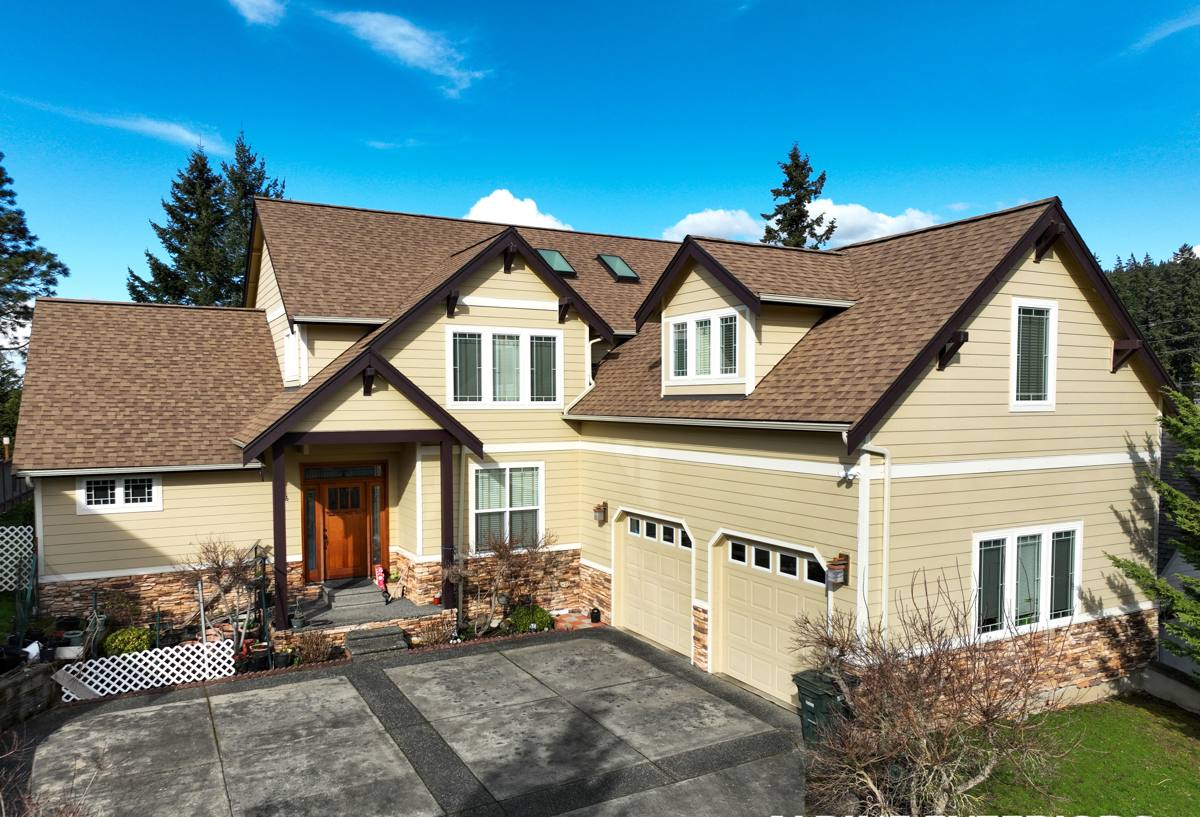
Sudden Valley sits in a different microclimate than a lot of Bellingham. The tree canopy is heavier, the lots slope more, and the proximity to Lake Whatcom keeps the air damp longer into the day than it does in more open parts of Whatcom County. That combination is hard on outdoor structures. A deck built with generic, one-size-fits-all specs will show algae and soft spots years before a deck that was actually designed for shade, slope, and slow-drying conditions.
We build custom decks for homes in this area on a regular basis, and the lessons carry over from job to job: drainage and airflow matter as much as the decking material itself, fasteners need to resist corrosion from the region's damp, salt-influenced marine air, and every deck needs to be planned around how much sun — or how little — it will actually get.
What the Local Conditions Actually Do to a Deck
Three things define outdoor construction around Sudden Valley, and each one shows up in how we design and build a deck.
Heavy Shade and Slow Drying
Mature evergreens surround most Sudden Valley properties, which means many decks get filtered or partial sun for most of the day. Wet surfaces that don't get direct light take much longer to dry out after rain, fog, or morning dew off the lake. That extended damp period is exactly what moss, algae, and mildew need to take hold.
A Long Moss and Algae Season
Bellingham and Whatcom County already run a long wet season, and shaded, lake-adjacent lots stretch it further. Without the right board spacing, surface texture, and airflow underneath, moss can start creeping into a deck surface within a season or two — and once it's established, it holds moisture against the boards and accelerates rot underneath the growth.
Corrosive, Damp Marine Air
Whatcom County's marine-influenced climate carries damp, salt-tinged air well inland from Bellingham Bay, and homes throughout the region — including inland communities like Sudden Valley — deal with hardware corrosion over time as a result. Standard fasteners and connectors that aren't rated for this kind of exposure can rust, stain the decking, and weaken structurally years before the wood or composite itself wears out.
Choosing the Right Decking Material for This Neighborhood
There's no single "best" decking material — the right choice depends on how much sun the deck gets, how much upkeep the homeowner wants to do, and budget. Here's how the common options actually perform in a shaded, damp, Whatcom County setting like Sudden Valley.
| Material | Performance in Shade & Damp | Maintenance | Typical Lifespan |
|---|---|---|---|
| Cedar | Naturally rot-resistant, but shaded boards need regular cleaning to stop moss from taking hold | Annual cleaning, periodic staining/sealing | 15-20 years with upkeep |
| Pressure-treated fir/pine | Budget-friendly; more prone to moss and surface checking in low-light spots without maintenance | Regular cleaning, sealing every 1-2 years | 10-15 years with upkeep |
| Composite decking | Resists rot outright, but algae and moss can still grow on the surface film in deep shade if never cleaned | Occasional washing, no staining/sealing | 25-30 years |
| PVC/capped polymer | Best moisture resistance of the group; won't absorb water or feed rot | Low — occasional washing | 25-30+ years |
For heavily shaded Sudden Valley lots, we lean toward composite or capped polymer decking more often than we would on an open, sunny lot — not because wood is a bad product, but because a wood deck in deep, near-permanent shade asks a homeowner to stay on top of cleaning and sealing more aggressively than most people realistically will. If you want the look and feel of real wood and are willing to keep up with it, cedar remains a solid, honest choice — we just make sure you know what the upkeep schedule looks like before you commit.
What Happens Underneath the Deck Matters Most
The decking boards are the part everyone sees, but the framing underneath is what determines whether a deck lasts 10 years or 30. This is where a lot of shortcuts get taken on decks that fail early, and it's where damp, shaded sites need the most attention.
- Footings sized for the soil and slope: Many Sudden Valley lots aren't flat, so footing depth and placement need to match the actual grade, not a generic layout.
- Ledger board flashing done correctly: Where a deck attaches to the house, proper flashing keeps water from working behind the siding — a common source of hidden rot on older decks.
- Joist spacing that accounts for the decking material: Composite and PVC boards often call for tighter joist spacing than solid wood to prevent flexing over time.
- Airflow underneath the deck: Skirting and low clearance without ventilation traps moisture against the framing. On shaded lots, we build in enough clearance and venting to let the underside actually dry out.
- Corrosion-resistant structural hardware: Joist hangers, post bases, and structural screws rated for exterior, damp-climate exposure — not standard interior-grade fasteners.
Railings, Fasteners, and Hardware Built to Hold Up
Railings and fasteners take a beating from Whatcom County's damp, salt-influenced air over time, and they're often the first sign of trouble on a deck that was otherwise built well. We spec stainless steel or coated, corrosion-resistant hardware for fasteners and connectors, and we choose railing systems — wood, composite, or metal — based on how they'll actually hold up in a shaded, damp environment rather than just how they look on day one. Cheap or mismatched fasteners are one of the most common causes of premature staining, streaking, and loosened connections we see on older decks in this area.
Our Process, Start to Finish
Every custom deck we build in Sudden Valley follows the same basic process, adjusted for the specific lot:
- On-site assessment: We walk the property, check sun exposure, slope, existing drainage patterns, and how close mature trees are to the build area.
- Design and material selection: We talk through decking material, railing style, and layout based on how the space will actually be used and how much shade it gets.
- Permitting: We handle the permit process for the build, including any structural requirements tied to slope or attachment to the home.
- Site prep and footings: Footings are set to match the soil and grade conditions of the specific lot, not a standard template.
- Framing: Ledger flashing, joist layout, and hardware are installed to hold up in a damp, shaded setting.
- Decking, railings, and finish work: Boards and railings are installed, edges and fasteners finished cleanly, and the site cleaned up.
- Final walkthrough: We go over care and maintenance specific to your deck's material and sun exposure before we consider the job done.
Keeping a Sudden Valley Deck Looking and Performing Well
A well-built deck still needs some seasonal attention in a shaded, moss-prone environment. This is the routine we recommend to homeowners after installation:
- Sweep debris — needles, leaves, seed pods — off the deck regularly rather than letting it pile in corners and against railings.
- Rinse or wash the surface at least once or twice a year to interrupt moss and algae before it takes hold, more often in deep shade.
- Check gaps between boards periodically to make sure they haven't filled with organic debris that traps moisture.
- Inspect fasteners and hardware annually for early rust or staining, especially near ledger connections and stair stringers.
- For wood decking, plan on resealing or restaining on the schedule your specific wood species calls for — don't wait until it's visibly gray and weathered.
- Trim back overhanging branches where practical to let more light and airflow reach the deck surface.
Why It Matters That We Already Work in This Area
A deck built to a generic spec sheet doesn't account for what a shaded, sloped, lake-adjacent lot in Sudden Valley actually does to lumber, fasteners, and framing over time. Crews who build regularly in this specific setting know which corners of a lot dry out fastest, which fastener grades actually hold up to the local damp and marine-influenced air, and how to frame around slope and tree cover without cutting corners that show up as problems five years down the road. That local pattern recognition is the difference between a deck that needs real work again in a decade and one that just needs routine cleaning.
Get a Straightforward Estimate
If you're planning a new deck or replacing one that's showing its age, we're happy to come out, take a look at your specific lot — sun exposure, slope, tree cover and all — and walk you through honest material and design options. Use the form below to request a free, no-pressure estimate.