 Bellingham
 Building Decks for Edgemoor's Coastal Bluff Conditions
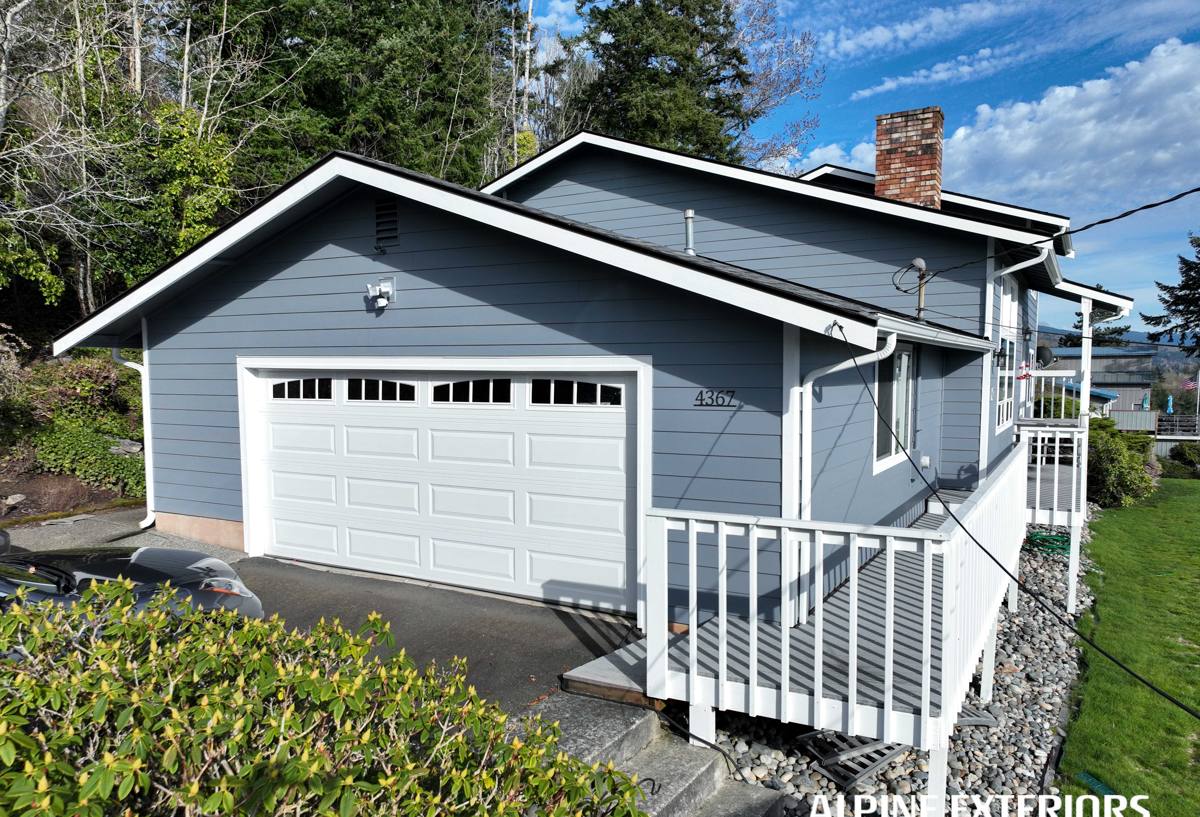
Edgemoor sits on a wooded bluff above Bellingham Bay, and that setting is exactly what makes deck building here different from a standard backyard project. Homes get real salt air off the water, driving rain that comes in sideways during Whatcom County storms, and a long moss season under mature tree canopy that keeps wood surfaces damp for months at a stretch. A deck built to a generic spec sheet will show its age fast in this environment — soft spots at the ledger, corroded fasteners, slick moss on the boards by the second winter. A deck built for these specific conditions holds up.
This page covers what Edgemoor properties actually need from a deck, what correct construction looks like given the local climate, how our process works from first visit to final walkthrough, and why it matters to hire a crew that has already worked this neighborhood rather than one learning it on your project.
What Edgemoor Lots Demand From a Deck
Three site conditions show up again and again on Edgemoor properties, and each one changes a decision we'd otherwise make differently.
Salt Air and Fastener Corrosion
Proximity to Bellingham Bay means airborne salt reaches exposed metal even on lots that aren't waterfront. Standard fasteners and hardware corrode faster here than they would ten or twenty miles inland. We spec stainless or heavy hot-dip galvanized fasteners and connectors rated for coastal exposure, not the cheapest hardware that meets code on paper. The cost difference up front is small compared to what it costs to replace a rusted, failing ledger connection five years in.
Moss, Algae, and Shaded Lots
Edgemoor's tree cover is part of what makes the neighborhood, but it also means many decks sit in shade for a good part of the day, especially through fall and winter. Combined with the region's driving rain, that shade keeps deck surfaces wet longer than an open, sun-exposed deck would stay. Moss and algae take hold in the gaps between boards and in any low spot where water doesn't drain. The board gap spacing, the slope built into the frame, and the decking material we recommend all get adjusted for a shaded, damp lot versus a sunny one.
Sloped and Bluff-Adjacent Terrain
A lot of Edgemoor lots step down toward the water or sit on uneven bluff terrain, which changes footing depth, post height, and sometimes means engineered footings rather than standard poured piers. On these lots we look closely at drainage paths above and below the deck before we ever set a post — water management on a slope is as much a part of the job as the decking itself.
What a Correctly Built Deck Actually Involves
A deck is a structure first and a surface second. The parts nobody sees are what determine whether it's still solid in fifteen years.
Framing and Flashing
The ledger board — where the deck attaches to the house — is the single most common failure point on decks in wet climates. It needs proper flashing that sheds water away from the house band joist, not just caulk and a hope. Joist hangers and structural connectors need to match the fastener standard we use for the rest of the deck, and footing depth has to account for our local frost conditions and soil. None of this is visible once the deck is finished, which is exactly why it matters that it's done right the first time.
Decking and Fastening
Board spacing needs to allow for drainage and airflow underneath, especially on the shaded lots common in Edgemoor. We typically recommend hidden fastening systems over face-screwing where the material supports it — fewer exposed fastener heads means fewer points where water sits and corrosion or rot can start. Railings need to meet current code for height and baluster spacing, and any built-in stairs need proper stringer support and tread depth, not just something that looks right.
Choosing the Right Decking Material
There's no single right answer here — it depends on how much maintenance you want to take on, your budget, and how much sun and shade the deck actually gets. Here's how the common options compare for a climate like ours.
| Material | Upfront Cost | Maintenance | Behavior in Salt Air & Rain | Typical Lifespan |
|---|---|---|---|---|
| Pressure-Treated Wood | Lowest | Annual cleaning and re-sealing to prevent moss and checking | Prone to moss in shade if not maintained; treatment resists rot but surface still absorbs moisture | 10–15 years with upkeep |
| Cedar | Moderate | Regular sealing to hold color and resist graying and moss | Naturally rot-resistant but still needs protection from constant damp; ages gracefully if maintained | 15–20 years with upkeep |
| Composite | Higher | Occasional washing; no sealing or staining needed | Handles damp and shade well; capped composite resists moss buildup better than wood | 25–30 years, manufacturer-backed |
| PVC / Fully Capped Composite | Highest | Minimal — washing only | Best moisture and salt-air performance; won't absorb water or support rot | 25–30+ years, manufacturer-backed |
For heavily shaded, salt-exposed Edgemoor lots, we lean toward recommending composite or capped composite decking more often than we would on a sunnier, drier inland lot — not because wood is a bad product, but because the maintenance burden of keeping a shaded wood deck moss-free and sealed is genuinely higher here. If you want the look and feel of real wood and are willing to keep up with sealing, cedar is a solid choice and one we install regularly. We'll walk through the honest trade-offs for your specific lot rather than pushing one material across the board.
Permits, Codes, and Bluff-Lot Considerations
Most new decks and significant deck rebuilds require a building permit, and elevated decks have specific requirements for guardrail height, baluster spacing, and stair construction. On bluff or slope-adjacent Edgemoor lots, footing design sometimes needs additional engineering to account for the terrain, and depending on the property, there can be setback or critical area considerations tied to the bluff itself. We handle the permitting process as part of the job — pulling the right permit, meeting inspection requirements, and making sure the design accounts for any slope-related review before we start digging footings, not after.
Our Deck Building Process
- Site visit and design. We look at sun exposure, drainage, slope, and how the deck will actually be used before recommending a layout or material.
- Material and layout decisions. We walk through decking, railing, and fastening options with honest trade-offs for your specific lot — not a one-size answer.
- Permitting. We prepare and submit what's needed for your project and schedule required inspections.
- Framing. Ledger flashing, footings, and structural framing go in first, built to hold up in wet, shaded, and coastal conditions.
- Decking and railing installation. Boards, fastening, and railings are installed to code and to the drainage and spacing details specific to your site.
- Final inspection and walkthrough. We confirm the deck passes any required inspection and walk you through basic care before we consider the job done.
Keeping an Edgemoor Deck in Good Shape
A well-built deck still needs some seasonal attention in this climate. Here's what we recommend keeping on top of:
- Sweep debris out of board gaps regularly — trapped leaves and needles hold moisture and feed moss growth
- Check and clear any drainage paths under and around the deck before the fall rains pick up
- Inspect fasteners and metal connectors yearly for early signs of rust, especially on lots closer to the water
- Re-seal wood decking (cedar or pressure-treated) on a regular schedule rather than waiting until it looks gray and worn
- Wash composite or PVC decking periodically to prevent surface algae film, even though it won't rot
- Watch for soft spots near the ledger board or stair stringers, which can signal a flashing or drainage issue underneath
Why a Crew That Already Works Edgemoor Matters
Building decks in this neighborhood repeatedly means we're not guessing at footing depth for sloped lots, fastener choice for salt air, or drainage design for shaded, moss-prone yards — we've already worked through those decisions on properties with the same conditions yours has. We also know the access challenges that come with bluff-adjacent lots and narrow driveways, which affects how we stage material and equipment so the job goes smoothly without unnecessary disruption to your property. That familiarity shows up in fewer surprises during the build and a deck that's specified correctly the first time, not adjusted after something fails.
If you're planning a new deck or need to replace one that's showing its age, we're happy to take a look and give you a straightforward, no-pressure estimate — just fill out the form below and we'll go from there.