 Bellingham
 Windows Built for Happy Valley's Version of Pacific Northwest Weather
Happy Valley sits close enough to Bellingham Bay that homes here deal with a specific combination of stressors: salt-laden air drifting off the water, wind-driven rain that hits window walls sideways instead of straight down, and a long wet season that keeps north- and west-facing surfaces damp for months at a time. None of that is unusual for Whatcom County, but it does mean windows here work harder than windows in a drier inland climate, and it means a window that's merely "good" on paper can still underperform once it's actually facing a Happy Valley winter.
This page is about one job done right in one place: custom window installation for Happy Valley homes. Not a general product pitch — the actual decisions that matter when the house, the site, and the climate are exactly this one.
What "Custom" Means When Stock Windows Don't Fit
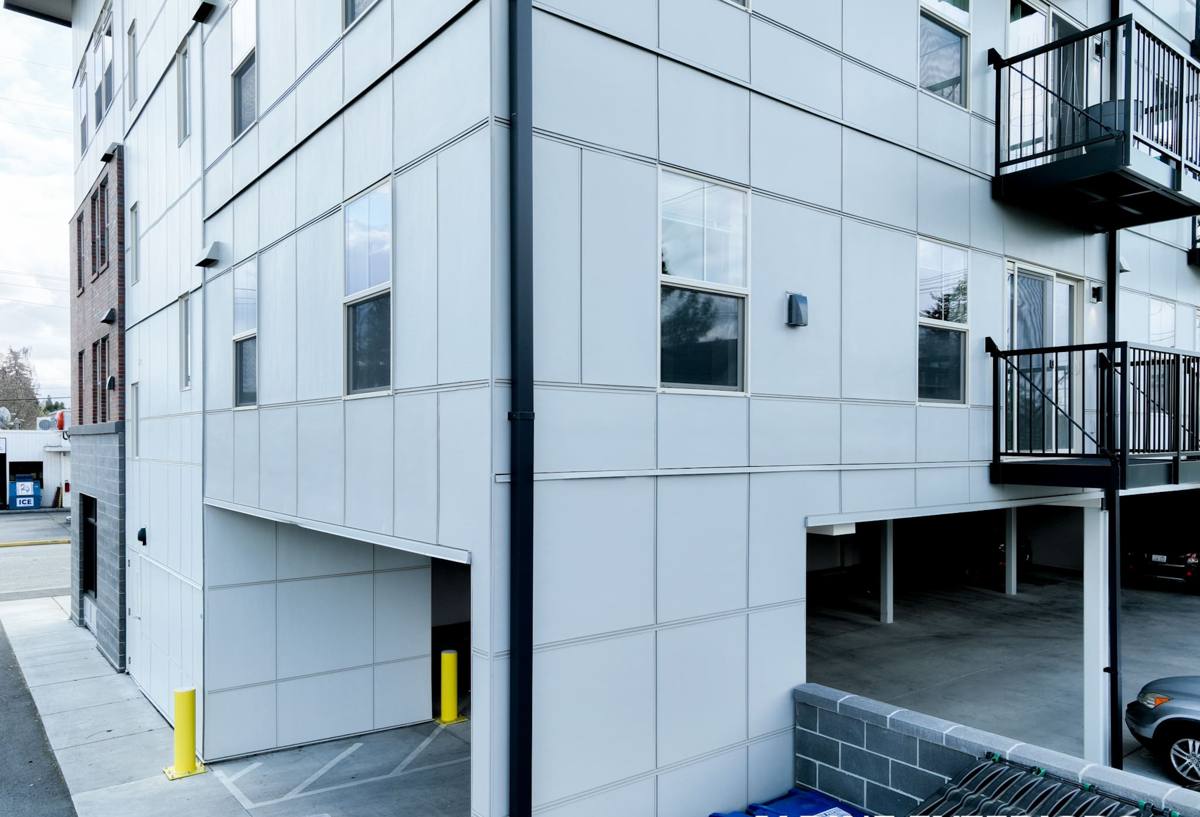
Custom doesn't have to mean an unusual shape or a designer look, though it can. Most of the time it simply means the window opening isn't a standard factory size — which is common in older homes where framing has settled slightly over the decades, or in additions and remodels where the rough opening was built to fit the space rather than a catalog number. Forcing a stock window into an opening that's even a little out of square is one of the most common causes of the leaks and drafts we get called out to fix.
What This Looks Like Locally
Happy Valley has a mix of home ages and styles — older single-story and split-level houses from the mid-20th century sit alongside newer construction. The older stock is where custom sizing comes up most often: original openings that were framed before modern window standards existed, settling that's shifted a corner out of plumb, or a sill that's been rebuilt once already after moisture damage. Newer homes are more likely to have standard openings, but even there, a bay window, a large picture window, or an odd-angle gable often needs a made-to-measure unit.
- Opening is not square, level, or plumb within standard tolerances
- Window is an unusual shape — arched, angled, or oversized
- Sill or jamb has been rebuilt or repaired and no longer matches stock dimensions
- You're changing window style (e.g., single-hung to casement) and the rough opening needs adjustment
- Home has settled enough that opposite corners of the frame are measurably different sizes
Frame Materials: What Actually Holds Up Near the Water
Every frame material has trade-offs, and none of them are "bad" — the right choice depends on exposure, budget, and how much upkeep you're willing to do. Near Bellingham Bay, the two things that separate a good long-term choice from a maintenance headache are moisture behavior and resistance to salt air corrosion.
| Frame Material | Moisture / Salt-Air Behavior | Maintenance | Typical Lifespan |
|---|---|---|---|
| Vinyl | Won't corrode or rot; handles damp, salty air well | Low — occasional cleaning | 20–30+ years |
| Fiberglass | Excellent moisture and corrosion resistance; very stable | Low | 30–40+ years |
| Wood-clad | Good if cladding stays intact; interior wood needs protection from condensation | Moderate — periodic sealant/finish checks | 20–30 years with upkeep |
| Aluminum | Prone to pitting and corrosion in salt air over time; conducts cold | Higher near the coast | Varies — shorter in marine exposure |
Our standard recommendation for Happy Valley homes is vinyl or fiberglass, specifically because they don't corrode and they tolerate the freeze-thaw and constant damp-dry cycling that comes with this climate. We'll still install other materials on request — it's your home — but we'll walk you through the maintenance trade-off honestly rather than let you find out about it in year eight.
Glass Packages That Earn Their Keep in a Marine Climate
The glass matters as much as the frame. Two decisions come up on nearly every project:
Double-Pane vs. Triple-Pane
Double-pane with a low-E coating and argon gas fill is the practical baseline for this climate and handles Whatcom County's mild-but-damp winters well. Triple-pane adds another layer of insulation and a meaningful bump in condensation resistance, which matters most on north-facing rooms, bedrooms with lower nighttime temperatures, or homes closer to the water where humidity runs higher. It costs more and the sash is heavier, so it's worth weighing per-window rather than assuming every opening needs it.
Low-E Coatings and Seal Quality
Low-E coatings reduce heat loss and UV fading without noticeably darkening the glass — a reasonable upgrade almost everywhere in this climate. The bigger factor for longevity, though, is seal quality between the panes. A failed seal shows up as fogging or a hazy ring inside the glass that won't wipe off. In a climate with this much sustained humidity, seal failure tends to show up sooner on lower-quality units, which is one more reason we're selective about which manufacturers we install.
Installation Details That Prevent Leaks During Driving Rain
Happy Valley's rain doesn't always fall straight down — wind off the water pushes it sideways into window walls, which puts real pressure on flashing and sealant details that a calmer climate might never test. Most window leaks we're called to fix aren't a bad window — they're a flashing detail that was skipped or done out of sequence.
- Sill pan installed under the window to catch and direct any water that gets past the exterior seal
- Flashing tape integrated with the house wrap or building paper in the correct shingle-lap order (bottom to top, so water always sheds outward)
- Head flashing sized and pitched to throw water clear of the frame, not down the face of it
- Continuous bead of quality sealant at all frame-to-siding joints, not just visible gaps
- Weep holes on the exterior kept clear so any trapped moisture can drain instead of pooling
- Interior and exterior trim reinstalled without compressing or bridging the weatherproofing layer underneath
This is also where tying the window into the surrounding siding correctly matters. If the siding around a window is aging, damaged, or was never properly flashed to begin with, replacing the window alone won't fix the water path — the two need to be addressed together, or at minimum inspected together before the new window goes in.
Moss, Algae, and Salt Residue: The Ongoing Maintenance Side
Whatcom County's long wet season means moss and algae growth on north- and shade-facing surfaces for a good part of the year, and window frames and sills aren't immune. Moss holding moisture against a sill or frame joint over months is exactly the kind of slow, low-drama damage that eventually shows up as rot or a failed seal. Closer to the bay, salt residue can also build up on frames and hardware, which is where corrosion-resistant materials and hardware finishes earn their cost.
None of this requires a major maintenance program — a rinse and a soft brush a couple of times a year, keeping weep holes clear, and catching any moss buildup on sills before it packs in tight will keep most of these issues from ever becoming a problem. It's a five-minute job per window, not a weekend project.
Our Process for a Happy Valley Window Project
1. On-Site Assessment
We look at the actual openings, not just take your word on sizes — checking for square, level, sill condition, and how the surrounding siding and flashing are holding up. This is where we catch whether a project is a straightforward swap or needs custom sizing.
2. Product and Glass Selection
We walk through frame material and glass package options based on the specific exposure of each window — a west-facing window taking direct weather gets a different conversation than a sheltered window on a covered porch.
3. Installation
Old windows come out, openings get inspected and repaired if needed, and the new units go in with full flashing and sealing detail — not just caulk around the trim. We clean up debris and old material as we go.
4. Final Check
Before we call a job done, we check operation, seal, and weatherproofing on every window installed, and walk you through anything you should know about care going forward.
What Drives the Cost of a Custom Window Project Here
Every project is different, but these are the factors that actually move the number, in roughly the order they matter:
| Cost Factor | Why It Matters in Happy Valley |
|---|---|
| Window size and shape | Non-standard or oversized units cost more to source and install than stock sizes |
| Frame material | Fiberglass typically costs more upfront than vinyl but needs less long-term upkeep near the water |
| Glass package | Triple-pane and specialty coatings add cost per unit; worth targeting to the most exposed windows |
| Number of openings | Doing multiple windows in one project usually reduces the per-window labor cost |
| Access and site conditions | Second-story or tight side-yard windows take longer and add labor time |
| Siding/flashing condition | If siding around the opening needs repair to flash correctly, that's added scope worth doing right |
We'll give you an itemized breakdown so you can see exactly what's driving the number, rather than one lump figure.
Why Local Installation Experience Matters Here
A window installed correctly in a dry inland climate can still leak in Happy Valley if the flashing detail wasn't built for wind-driven rain. A crew that already works this area has seen how the specific combination of salt air, sustained damp, and storm-direction rain plays out on real houses — which openings tend to be out of square, which siding types need extra attention at the window边 tie-in, and which materials actually hold up rather than just looking good in a showroom. That local pattern-recognition is worth more than any brochure claim, and it's the difference between a window that performs for two winters and one that performs for twenty.
If you're weighing custom windows for a Happy Valley home, we're happy to take a look and give you a straight, no-pressure estimate — what your specific openings need, what it'll cost, and what trade-offs are actually worth making for your house. Fill out the form below to get started.