 Bellingham
 Building for Bellingham's Marine Climate From the Start
Happy Valley sits close enough to Bellingham Bay that its homes deal with the same weather pattern the rest of Whatcom County lives with: salt-laden air off the water, wind-driven rain that comes in sideways during fall and winter storms, and a moss season that can stretch from October well into spring. When you're building new, the windows you choose and how they're installed become part of the home's water-management system for the next 20-40 years. Get that wrong at framing stage and you're not fixing a cosmetic issue later — you're opening up finished walls.
New construction gives you one real advantage over a remodel: the wall is open, so the window can be installed and flashed correctly the first time, with no shortcuts forced by existing siding or drywall. That's the opportunity this page is about — doing it right while the opportunity is in front of you.
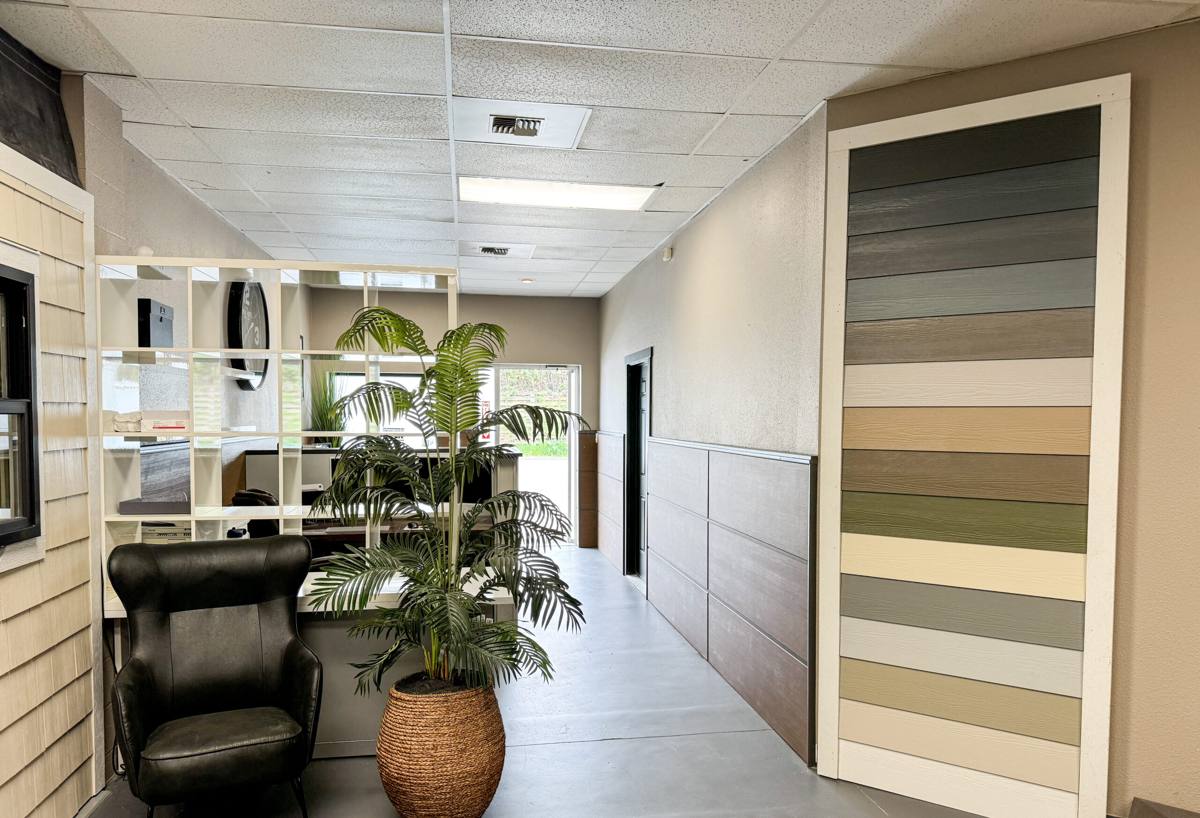
What Happy Valley Homes Actually Need From Their Windows
Wind-Driven Rain and Salt Air
Storms moving off the Strait of Georgia and Bellingham Bay don't just drop rain straight down — they push it horizontally into wall assemblies, which is exactly the condition new-construction flashing details are meant to handle. Salt air also accelerates corrosion on hardware, fasteners, and lower-grade metal components, which is one reason material choice and hardware quality matter more here than they would in a dry inland climate.
Moss Season and UV Cycling
Long stretches of damp, shaded weather encourage moss and algae growth on window sills, trim, and anything with standing moisture. Combined with the region's freeze-thaw swings and UV exposure during summer, window materials and sealants take a slow, cumulative beating even when nothing looks obviously wrong. A window that sheds water cleanly and doesn't trap moisture at the sill will simply age better here than one that doesn't.
New Construction vs. Retrofit: Why the Install Method Is Different
New-construction windows use a nailing flange (fin) around the perimeter of the frame that gets fastened directly to the wall sheathing before siding goes on. That flange, combined with proper flashing tape and house wrap integration, is what creates the primary water barrier. Retrofit or "pocket" windows, by contrast, get installed into an existing frame with no access to the sheathing — a fine solution for a remodel, but not what you want to default to on a new build, where you have the chance to do a full flanged installation instead.
Because the framing is open on a new build, this is also the point where window placement, header sizing, and rough opening dimensions get locked in. Mistakes here are cheap to fix before drywall and siding go on, and expensive to fix after.
What a Correct Installation Actually Involves
Rough Opening Prep
The rough opening has to be square, plumb, and sized correctly before the window ever shows up on site. We check level across the sill, confirm the opening is neither too tight nor oversized, and verify the sheathing is solid and properly fastened around the perimeter. Skipping this step is one of the most common reasons windows leak or operate poorly years down the line.
Flashing and Sill Pans
This is the detail that matters most in our climate. A correctly built sill pan directs any water that gets past the window — and some always will, eventually — back out to the exterior instead of into the wall cavity. Jamb and head flashing then layer over that in the right shingle-lap order (bottom to top, so water always sheds outward and downward) using flashing tape rated for this climate, not just whatever tape is cheapest.
Integrating With House Wrap and Siding
The window flashing has to tie into the house wrap correctly — wrap laps over the top flashing, never under it — so the whole wall acts as one continuous water-shedding system. We coordinate this step with the builder or general contractor so the sequencing lines up with siding installation instead of fighting it.
Choosing Materials for This Climate
There's no single "best" window material — it depends on budget, maintenance appetite, and how exposed a given elevation of the house is to wind and rain. Here's how the common options compare for a coastal Whatcom County build:
| Material | Moisture Resistance | Maintenance | Typical Lifespan |
|---|---|---|---|
| Vinyl | Good — won't rot or corrode | Low | 20-30+ years |
| Fiberglass | Very good — stable in wet/dry cycling | Low | 30-40+ years |
| Wood-clad (exterior aluminum/vinyl clad, wood interior) | Good on the exterior face; interior wood needs protection from any leaks | Moderate | 25-35 years with upkeep |
| Aluminum | Prone to condensation and corrosion near salt air unless thermally broken | Moderate | Varies widely |
For most Happy Valley builds we lean toward vinyl or fiberglass on exposed elevations because they handle the wet-dry cycling and salt exposure with the least ongoing maintenance. Wood-clad windows still have a place on homes where the interior look matters most, but we're upfront that they ask more of the homeowner in upkeep — and that's a trade-off we'll walk through honestly rather than talk anyone out of a look they want.
Our Process for Happy Valley New-Construction Installs
- Plan review: We look at the window schedule and elevations before framing is even finished, flagging any rough opening or header sizing issues early.
- Rough opening check: Every opening is verified for square, level, and correct dimension before a window is set.
- Sill pan and flashing: Built and taped in the correct sequence for this climate, every time — not as an optional upgrade.
- Window setting: Windows are shimmed, leveled, and fastened to manufacturer spec, then checked for smooth operation before moving on.
- House wrap integration: Flashing ties into the wrap correctly so the whole assembly sheds water as one system.
- Final walkthrough: We check every unit for operation, seal, and squareness before we call the job done.
Cost Factors on a New-Construction Job
Every build is different, so we don't quote sight-unseen — but these are the main variables that move the price on a Happy Valley new-construction window package:
| Factor | Why It Matters |
|---|---|
| Number and size of openings | More glass and larger units mean more material and labor |
| Material (vinyl, fiberglass, wood-clad) | Fiberglass and wood-clad cost more upfront than vinyl |
| Glazing package | Upgraded glass for energy performance or sound control adds cost |
| Access and elevation | Second-story or hard-to-reach openings take more time to set safely |
| Trim and finish details | Exterior trim wraps and interior finish work are often priced separately from the window install itself |
We'll always give a straightforward range once we've seen the plans or the framed openings — no inflated "starting at" numbers meant to get a foot in the door.
Why Hiring a Crew That Already Works Happy Valley Matters
A window that's correctly flashed for a dry inland climate isn't automatically correct for a lot two blocks from Bellingham Bay. Crews who work Whatcom County regularly know which elevations of a Happy Valley lot typically catch the worst of the wind-driven rain, how local builders sequence framing and siding, and what inspectors here expect to see at rough-in. That familiarity shows up in fewer callbacks and fewer surprises — not because out-of-area crews are careless, but because climate-specific detailing is the kind of thing you only get consistently right after doing it here, repeatedly, in this weather.
We also coordinate directly with general contractors and builders on new-construction timelines, which matters on a job where sequencing — framing, window set, wrap, siding — has to happen in the right order without gaps that let weather in.
Protecting the Investment After Installation
A correctly installed new-construction window shouldn't need much attention, but Whatcom County's moss season rewards a little seasonal awareness:
- Keep gutters and downspouts clear so roof runoff isn't sheeting down over window heads
- Rinse sills and trim periodically during moss season to keep organic growth from taking hold
- Check exterior caulking annually where trim meets siding — caulk is a maintenance item, not a permanent seal
- Make sure landscaping and irrigation aren't spraying directly onto lower-story windows
- Open and close each window at least once each season to catch any operating issues early
None of this is complicated, but it's the kind of low-effort habit that keeps a correctly installed window performing the way it's supposed to for decades instead of years.
What to Ask Before You Hire
Whether you're a homeowner working with a builder or building on your own lot in Happy Valley, these are worth asking any contractor bidding the window package:
- Do you build a sill pan on every opening, or only "if needed"?
- How does your flashing tie into the house wrap — over or under the top flange?
- What window materials do you recommend for this specific lot's sun and wind exposure?
- Can you walk me through your rough opening inspection process before windows go in?
- Are you licensed and insured to work in Whatcom County, and can you provide proof?
If a contractor can't answer these clearly and specifically, that's worth noting before framing is closed up behind them.
If you're planning a new build in Happy Valley and want the window package handled correctly from rough opening to final trim, we're happy to walk the plans with you and give you a straightforward, no-pressure estimate — just fill out the form below.