 Bellingham
 New Roof Installation in Sunnyland
Sunnyland sits close enough to Bellingham Bay that salt-laden air, wind-driven rain, and a long wet season all work on a roof year-round. When a roof in this neighborhood reaches the point where patching no longer makes sense, a full replacement done right the first time saves years of headaches. This page covers what that job actually involves for Sunnyland homes specifically — not a generic roofing overview.
Bellingham sits in Whatcom County, and the roofs here take a different kind of beating than roofs in drier parts of the state. Understanding that difference is the starting point for any new roof installation, whether the house is a 1940s bungalow near Sunnyland's older core or a newer build closer to the edges of the neighborhood.
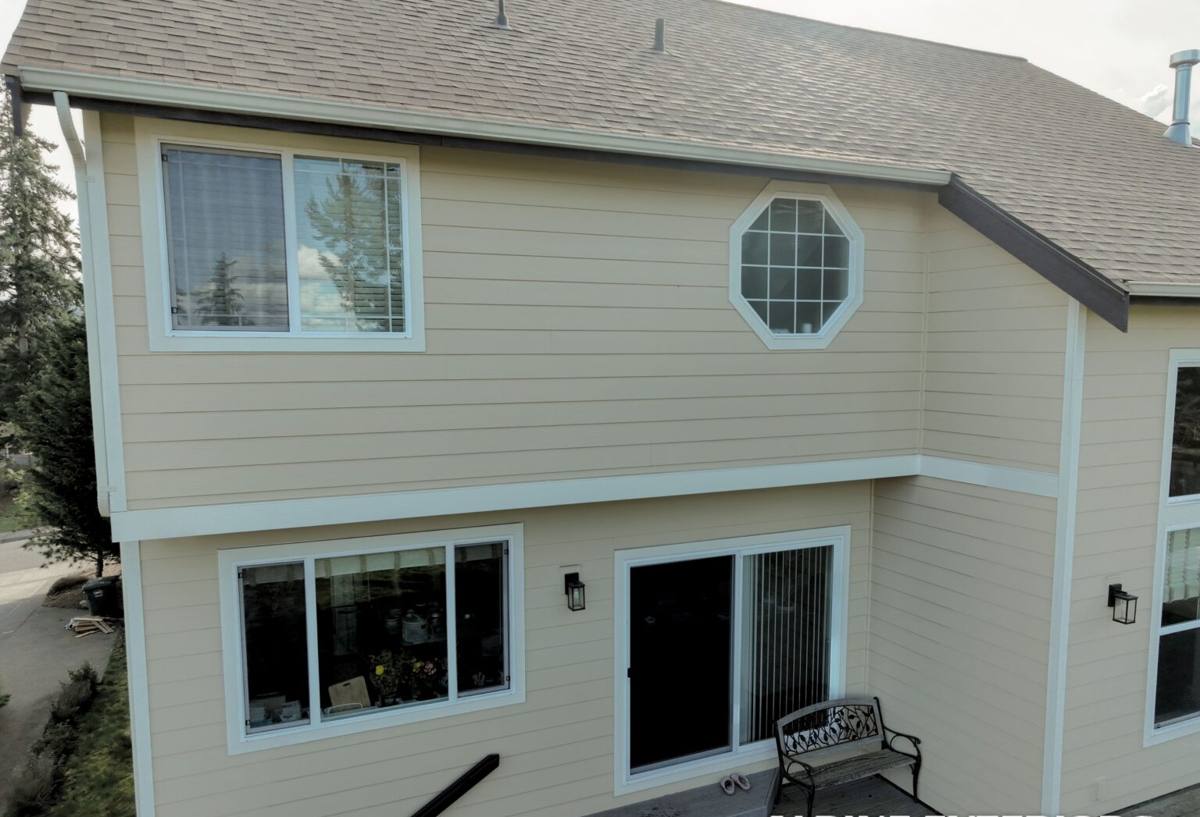
What Sunnyland's Climate Does to a Roof
Three things drive most of the roofing problems we see in this part of Bellingham:
Salt Air
Proximity to the bay means airborne salt settles on roofing materials and metal components over time. Fasteners, flashing, and vent components that aren't rated for coastal exposure corrode faster here than they would twenty miles inland. This is one of the most overlooked factors in a roof replacement — homeowners focus on the shingle brand and skip past the hardware, which is often where premature failure starts.
Driving Rain
Bellingham gets a lot of rain, but the bigger issue for roofs is wind-driven rain that gets pushed sideways under normal weather patterns coming off the water. That kind of rain doesn't just run off a roof — it tests every seam, every flashing detail, and every penetration point (vents, chimneys, skylights). A roof that would perform fine in a calmer climate can leak here if the underlayment and flashing work isn't done to a higher standard.
Moss Season
Whatcom County's moss season runs long — shaded, north-facing slopes and roofs under tree cover can stay damp for months at a stretch. Moss isn't just cosmetic. Its root structure lifts shingle edges, holds moisture against the roof deck, and accelerates granule loss on asphalt shingles. Homes in Sunnyland with mature tree cover are especially exposed to this.
Signs a Sunnyland Roof Needs Full Replacement
Not every roofing problem calls for a full tear-off. Here's how we tell the difference:
- Granule loss heavy enough that shingles look bald in patches, especially on south and west-facing slopes
- Multiple layers of moss buildup that keep returning within a season or two of cleaning
- Soft spots or sagging in the roof deck, usually found during a walk-on inspection
- Flashing that's rusted, cracked, or was never properly integrated around chimneys and vents
- Daylight visible through the attic decking, or consistent water staining on interior ceilings
- A roof already past 20-25 years old for asphalt shingle systems in this climate, even without visible leaks
- Previous patch jobs stacking up — each one is a sign the underlying system is failing, not the surface
If a roof is showing two or more of these, replacement is usually the more honest recommendation than another round of patching.
What a Correct Installation Involves Here
A new roof installation in a coastal, high-moisture climate like Sunnyland's isn't just "remove old shingles, install new ones." The details that matter most are the ones you don't see once the job is done.
Tear-Off and Deck Inspection
Full removal of old roofing down to the deck lets us actually see the condition of the sheathing. Any wood that's soft, delaminated, or water-damaged gets replaced before anything new goes down — installing new roofing over a compromised deck just hides the problem for a few more years.
Underlayment
Given how much wind-driven rain this area sees, we treat underlayment as a real second layer of protection, not a formality. Ice-and-water shield membrane at eaves, valleys, and penetrations gives the roof a backup line of defense where wind-driven rain is most likely to get pushed under the shingle layer.
Flashing
Flashing around chimneys, skylights, sidewalls, and vent penetrations is where most roof leaks actually originate — not the field of the roof itself. We use corrosion-resistant flashing material appropriate for salt-air exposure and integrate it properly with the underlayment, rather than relying on sealant alone to bridge gaps.
Ventilation
Proper intake and exhaust ventilation keeps the attic space from trapping moisture, which matters in a climate where the air itself carries a lot of humidity for much of the year. Poor ventilation shortens the life of a new roof regardless of how good the shingles are.
Fastening
We use corrosion-resistant fasteners suited to coastal exposure, and we follow manufacturer nailing patterns rather than cutting corners with fewer or misplaced nails — a common cause of shingles lifting in wind.
Material Options for Sunnyland Homes
There's no single "best" roofing material for every house — it depends on the roof's slope, tree cover, budget, and how long the homeowner plans to stay in the house. Here's an honest comparison of the options we install most often in this climate:
| Material | Typical Lifespan Here | Moss/Moisture Behavior | Best Fit |
|---|---|---|---|
| Architectural asphalt shingle | 20-30 years | Moderate moss resistance; benefits from zinc/copper strips | Most Sunnyland homes; best value |
| Standing seam metal | 40-50+ years | Sheds moisture and moss builds up far less | Homes under heavy tree cover, long-term owners |
| Synthetic/composite shingle | 30-40 years | Good moisture resistance, lighter than tile | Homes wanting a wood or slate look without the upkeep |
| Wood shake | 15-25 years with upkeep | Highest maintenance burden; retains moisture, needs regular treatment | Only for owners committed to ongoing maintenance |
We steer most Sunnyland homeowners toward architectural asphalt or metal, not because other materials are bad products, but because of how they perform against this specific combination of salt air, driving rain, and long moss seasons with realistic maintenance expectations. Wood shake, for example, can look great, but it demands a level of ongoing upkeep that most owners underestimate in a climate this wet.
Our Process for a Sunnyland Roof Replacement
- On-site inspection — we walk the roof (not just look from the ground), check the attic for ventilation and moisture issues, and assess deck condition where accessible.
- Honest scope and estimate — a written breakdown of what needs replacing, what materials we recommend and why, and a clear price range, not a vague ballpark.
- Material selection — we walk through the tradeoffs in the table above based on the specific roof, not a one-size answer.
- Tear-off and deck repair — full removal, deck inspection, and replacement of any damaged sheathing before moving forward.
- Underlayment, flashing, and installation — done to the standard this climate requires, not the manufacturer's bare minimum.
- Final walkthrough — we go over the finished roof with the homeowner, including ventilation and any recommendations for ongoing moss prevention.
Cost Factors for Sunnyland Roof Replacement
Every roof is different, but the same handful of factors drive most of the cost variation we see on Sunnyland jobs:
- Roof size and complexity — number of valleys, dormers, and penetrations adds labor and flashing work
- Deck condition — hidden water damage found during tear-off can add sheathing replacement costs
- Material choice — asphalt, metal, and synthetic options carry different material and labor costs
- Roof pitch and access — steep or hard-to-access roofs take longer and require more safety setup
- Tear-off layers — removing multiple existing layers of roofing takes more time than a single layer
- Ventilation upgrades — adding or correcting intake/exhaust venting during the replacement
We don't quote a number without seeing the roof — anyone who does is guessing, and guesses on roofing jobs tend to turn into change orders later.
Why a Crew That Already Works Sunnyland Matters
Roofing crews that work across a wide, generic service area often apply the same specs everywhere. A crew that regularly works Sunnyland and the surrounding Bellingham neighborhoods already knows which slopes hold moss longest, which older homes tend to have deck issues under the shingles, and how far wind-driven rain off the bay actually travels inland into this part of Whatcom County. That local pattern recognition shows up in the details — the flashing choices, the underlayment coverage, the fastener grade — long before it shows up as a problem five years down the road.
It also matters for follow-up. A local crew is easier to reach if a question comes up after the job, and has a track record in the neighborhood that a homeowner can actually check.
Maintaining a New Roof in This Climate
A correctly installed roof still benefits from basic upkeep in a climate like this one:
- Clear gutters and downspouts before the fall rains set in, so water isn't backing up under the eaves
- Trim back overhanging branches to reduce shade and debris buildup that feeds moss growth
- Have moss growth treated early rather than letting it establish across a full slope
- Schedule a periodic visual inspection, especially after any major windstorm off the bay
- Watch for granule buildup in gutters, which can signal accelerated shingle wear
None of this replaces a properly installed roof, but it extends the life of one considerably.
If your Sunnyland home is due for a new roof, we're happy to take a look and give you a straight answer — no pressure, no inflated scope. Fill out the form below for a free estimate.