 Bellingham
 Siding Installation in Sehome: What This Neighborhood's Homes Actually Need
Sehome sits close enough to the water and to Bellingham's tree cover that its homes take a different kind of weathering than houses further inland. The combination of salt-laden air drifting in off Bellingham Bay, driving rain that comes in sideways during fall and winter storms, and a moss season that can stretch from October well into spring puts real, ongoing stress on exterior siding. A siding job that would hold up fine in a drier part of the state can fail early here if it isn't installed with this specific climate in mind.
We install James Hardie fiber cement siding exclusively, and in a neighborhood like Sehome that decision matters more than it might elsewhere in Whatcom County. Homes here need a siding system that resists moisture intrusion at the seams, doesn't feed mold and moss growth in shaded, damp spots, and holds its finish without chalking or fading under repeated wet-dry cycles. This page walks through what that actually looks like — for Sehome specifically, not siding in general.
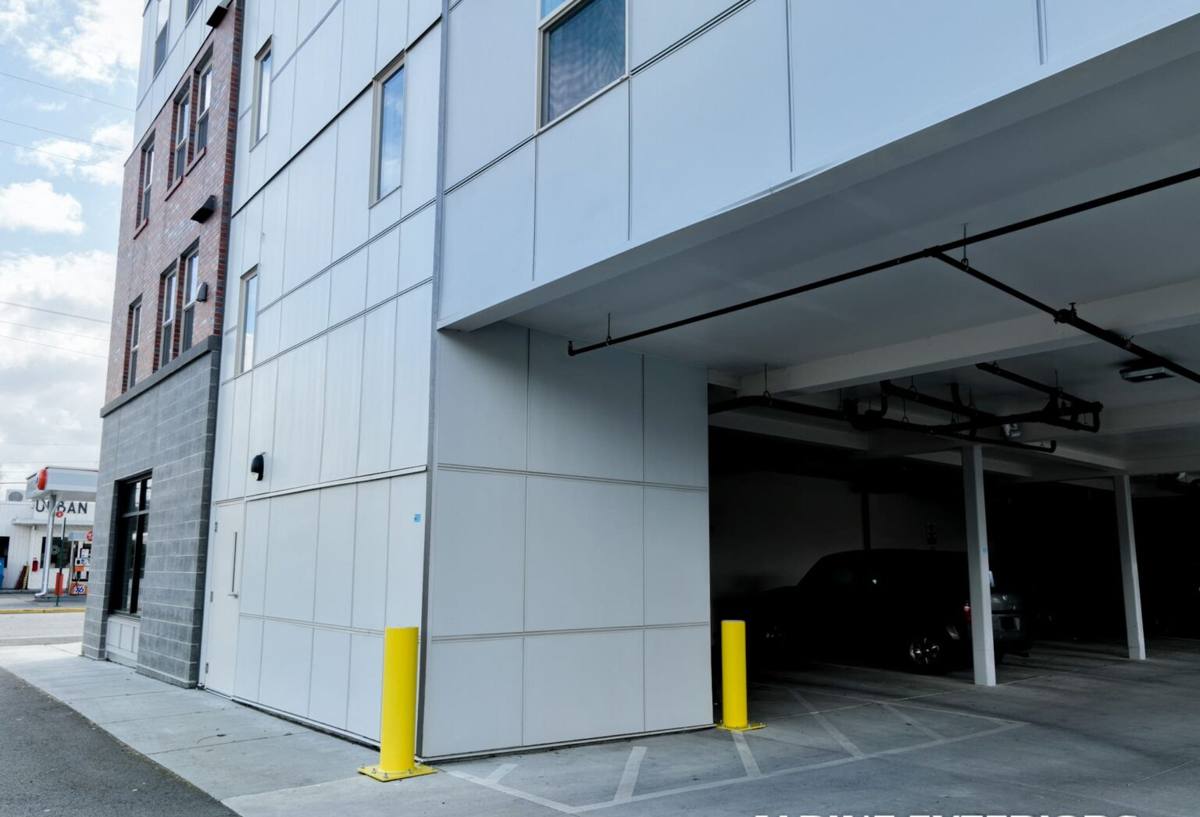
Why Sehome's Climate Is Harder on Siding Than People Expect
Salt Air
Proximity to Bellingham Bay means a steady low-level exposure to salt-laden moisture in the air. Salt is corrosive to exposed metal fasteners and trim flashing, and it accelerates the breakdown of siding materials that aren't formulated to resist it. Over years, homes closer to the water show faster wear on their exteriors than homes just a few miles inland — faded paint, corroded fasteners, and siding that's absorbed more moisture than it should.
Driving Rain
Whatcom County gets a lot of rain, but it's the wind-driven rain off the water that does the real damage. Rain that hits siding at an angle works its way behind poorly lapped boards, around under-flashed windows, and into any gap where caulk has failed. Once moisture gets behind the siding, it doesn't dry out quickly in this climate — and that's when rot, mold, and structural damage start.
Moss Season
Bellingham's tree canopy and persistent damp keep a lot of exterior surfaces shaded and wet for months at a time. Moss and algae don't just look bad — they hold moisture against the siding surface, and on materials that aren't moisture-resistant, that constant dampness accelerates rot and paint failure. Homes with north-facing walls or heavy tree cover in Sehome are especially prone to this.
What a Correct Siding Installation Involves
Good siding is as much about what's underneath and behind it as what you see on the wall. A correct installation for a Sehome home includes:
- A water-resistive barrier (weather-resistant house wrap) installed with proper overlaps and sealed seams
- Rainscreen or drainage gap detailing where conditions call for it, so any moisture that does get behind the siding can drain and dry
- Properly flashed windows, doors, and roof-to-wall transitions — the most common places water gets in
- Correct fastener type, spacing, and depth per the manufacturer's installation instructions
- Proper board overlap and clearance from grade, decks, and roof lines to keep water from wicking up into the material
- Factory-finished siding installed with the manufacturer's specified caulking and touch-up products, not generic substitutes
Skipping or rushing any one of these steps is usually where premature siding failure comes from — not the siding material itself. This is why installation quality matters as much as product choice.
Why We Install Only James Hardie Fiber Cement
We don't install vinyl, LP SmartSide, Cemplank, Allura, primed spruce, or cedar. That's a deliberate standard, not a limitation of what we're capable of installing. Each of those products has legitimate uses and reasonable people choose them, but for the climate we work in — and Sehome's exposure in particular — we've found the trade-offs aren't worth it on the homes we put our name behind.
| Material | Common trade-off in this climate |
|---|---|
| Vinyl | Can warp or become brittle with temperature swings; seams are a moisture entry point over time |
| LP SmartSide (engineered wood) | Wood-based substrate is more sensitive to sustained moisture exposure than fiber cement |
| Primed spruce / cedar | Natural wood requires more frequent repainting and sealing to keep moisture out |
| Cemplank / Allura (other fiber cements) | Similar base material to Hardie, but we've standardized on one system, one warranty, one factory finish process we trust |
James Hardie fiber cement is non-combustible, engineered specifically for the Pacific Northwest's wet climate under Hardie's "HZ5" product line, and finished at the factory with ColorPlus Technology — a baked-on finish that resists fading and chipping far better than field-applied paint. It doesn't feed mold growth the way wood-based products can, and it holds up to repeated wet-dry cycling without swelling or delaminating when installed correctly. Hardie backs it with a strong, transferable limited warranty, which matters if you sell the home down the road.
Our Installation Process for Sehome Homes
- On-site assessment — we look at your home's specific exposure: how much wind-driven rain it takes, how shaded it is, where past moisture problems have shown up, and the condition of the sheathing underneath your current siding.
- Tear-off and sheathing check — old siding comes off and we inspect the wall assembly underneath for rot or damage before anything new goes up. This step gets skipped by crews trying to move fast, and it's where hidden problems get caught or missed.
- Weather barrier and flashing — house wrap, window and door flashing, and drainage detailing go in before a single piece of siding is hung.
- Hardie installation to spec — boards, panels, or shingle-style siding installed per James Hardie's fastening and clearance requirements, with attention to the details that matter most in high-moisture, salt-air conditions.
- Trim, caulking, and touch-up — finished with manufacturer-approved sealants and touch-up paint matched to your ColorPlus finish.
- Final walkthrough — we go over the finished job with you before calling it done.
Signs Your Sehome Home's Siding Needs Attention
A lot of homeowners wait too long to address siding problems because the early signs are easy to miss or write off as cosmetic. Watch for:
- Persistent moss or algae staining that comes back shortly after cleaning
- Soft or spongy spots when you press on the siding, especially near the bottom edges
- Paint that's peeling, bubbling, or chalking heavily, particularly on shaded or north-facing walls
- Visible gaps or separation at seams, corners, or around windows
- Warping, cupping, or boards that look wavy from a distance
- Rising energy bills that might point to compromised insulation behind failing siding
Any one of these is worth a look. Left alone, moisture problems behind siding tend to get more expensive to fix the longer they sit, since they can spread into sheathing and framing.
Cost Factors for a Sehome Siding Installation
Every home is different, but the main variables that drive cost on a project like this are fairly consistent. We give straight, honest ranges once we've actually seen your home — anyone quoting a firm number sight unseen is guessing.
| Factor | Why it affects cost |
|---|---|
| Home size and wall complexity | More square footage and more corners, gables, and dormers mean more material and labor |
| Condition of existing sheathing | Rot or damage found during tear-off needs repair before new siding goes on |
| Siding profile chosen | Lap siding, shingle-style, and panel systems differ in material and install time |
| Trim and detail work | Homes with more windows, trim, and architectural detail take more labor to finish properly |
| Access and site conditions | Tight lots, mature landscaping, or difficult access can add time |
Why Local Experience in Sehome Specifically Matters
A crew that already works in Sehome and the surrounding Bellingham neighborhoods knows what to look for before they even start tearing off old siding. They've seen how salt air affects fasteners on homes closer to the water, how moss builds up differently on a shaded lot than a sunny one, and which wall orientations in this part of Whatcom County take the worst of the winter storms. That's not something you get from a crew that mostly works drier inland markets and treats every job the same way.
It also means faster response if something needs attention after the job is done — no waiting on a contractor who has to drive in from out of the area. Local, ongoing presence in the neighborhood is part of standing behind the work.
Get a Free, No-Pressure Estimate
If your Sehome home's siding is showing signs of wear, or you're planning ahead for a replacement, we're happy to come take a look and give you an honest assessment — no obligation, no pressure. Fill out the form below to get started.