 Bellingham
 Birch Bay Sits Right Where Salt Air Meets the Rain
Birch Bay is one of the more exposed pockets of Whatcom County when it comes to what the weather does to a house. Homes here sit close to open water, which means onshore wind carries salt spray directly onto walls, trim, and eaves — something a lot of siding products simply weren't built to handle for decades on end. Compare that to a home tucked into a neighborhood further inland toward Bellingham, shielded by trees and other buildings, and the difference in exposure is real. Birch Bay siding takes a harder, more constant beating than siding just a few miles away.
That's not a reason to panic about your house — it's a reason to be specific about what you install and how it's installed. A siding replacement done for a shoreline lot needs to account for things a standard inland job can get away with skipping.
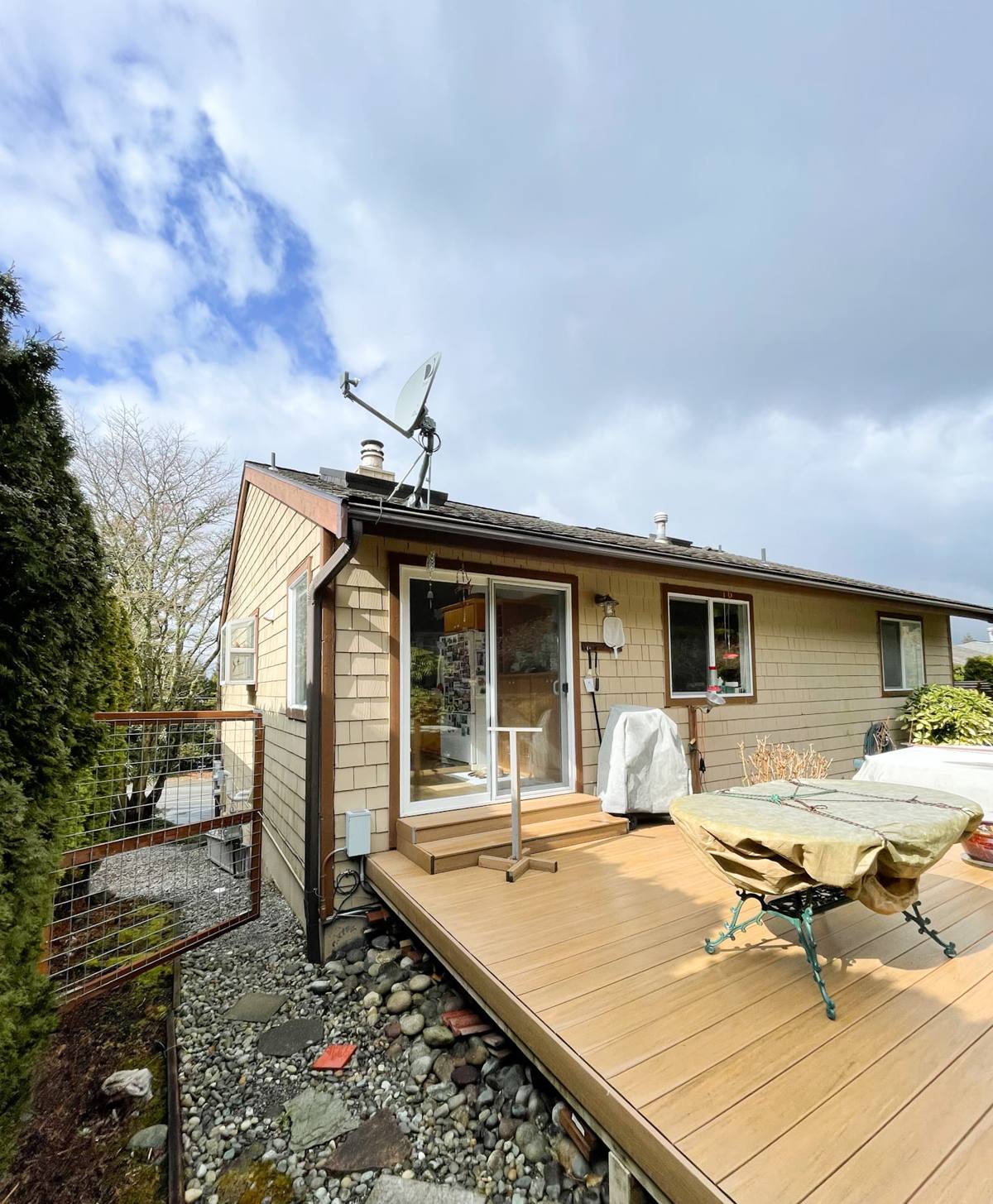
The Three Things Working Against Your Siding Year-Round
Salt Air and Airborne Moisture
Salt-laden air doesn't just sit on the surface — over years it works into fastener heads, seams, and any spot where a coating is thin or damaged, accelerating corrosion and breaking down paint film faster than it would inland. Siding that relies on a thin factory coat, or that gets field-painted on site, tends to show chalking, fading, and streaking sooner in a Birch Bay location than the same product would a few miles from the water.
Wind-Driven Rain
Whatcom County gets plenty of rain generally, but on an open shoreline lot that rain often arrives sideways, driven by wind straight off the water. That matters because most siding failures aren't caused by water hitting a wall — they're caused by water finding a way behind the wall through a gap, a bad seam, or flashing that wasn't lapped correctly. Wind-driven rain finds those gaps that vertical rain never would.
A Long Moss and Algae Season
Between the marine humidity and the shade many Birch Bay lots get from mature trees, moss and algae have a long growing window here — often close to year-round on north-facing walls and anywhere siding stays damp between rain events. Some materials resist this better than others; some give moss an easy foothold in the texture or seams and need regular cleaning just to look presentable.
Why This Matters More If Your Birch Bay Home Sits Empty Part of the Year
A lot of homes in Birch Bay are used seasonally or as vacation property, which changes the math on siding. In a home that's lived in full-time, a small leak or a patch of failing caulk usually gets noticed early — someone sees a stain, feels a draft, smells something off. In a home that sits empty for weeks or months at a stretch, that same small problem can run for a full storm season before anyone's around to catch it. That's a strong argument for siding that doesn't depend on someone catching problems early — material that resists moisture intrusion on its own, holds its finish without repainting, and doesn't need a maintenance schedule to stay sound.
How Siding Materials Actually Hold Up in This Climate
We get asked why we only install James Hardie fiber cement and won't put up vinyl, LP SmartSide, or bare wood siding. Here's the honest comparison, specific to a salt-air, high-moisture, moss-prone environment like Birch Bay — not a generic sales pitch.
| Material | Salt Air / Moisture Resistance | Moss & Algae Resistance | Maintenance Needed | Typical Longevity Here |
|---|---|---|---|---|
| James Hardie fiber cement (HZ5) | Non-combustible, dimensionally stable; doesn't rot or absorb water like wood-based products | Factory ColorPlus finish resists staining and holds up to cleaning | Occasional wash; no repainting under normal use | Multiple decades with correct install |
| Vinyl siding | Won't rot, but can warp, crack, or fade from UV and salt exposure; seams are a moisture entry point | Smooth surface sheds moss reasonably well but can stain | Low, but panels aren't repairable individually once faded | Variable; visible fading and brittleness over time |
| LP SmartSide (engineered wood) | Wood-strand core is vulnerable if the factory seal is breached at a cut edge or fastener | Textured surface can hold moss and algae longer | Field caulking and touch-up paint on a schedule | Depends heavily on edge sealing and upkeep |
| Primed spruce or cedar | Real wood; absorbs moisture, prone to swelling and rot in a wet marine climate without diligent upkeep | Most susceptible of the group to moss and algae | Highest — regular repainting and sealing | Shortest without an aggressive maintenance routine |
Every one of these products has a place somewhere. Our position is that a direct shoreline climate like Birch Bay's is exactly the environment where the trade-offs of vinyl, engineered wood, and bare wood show up fastest — and where a non-combustible, factory-finished fiber cement system earns its higher upfront cost.
What a Correct Siding Replacement Involves
Full Tear-Off and Sheathing Inspection
You can't do this job right over top of old siding. A proper replacement means stripping down to the sheathing and actually looking at what's underneath — soft spots, hidden rot, old flashing that was never installed correctly the first time. On a shoreline home, this step matters even more, since wind-driven rain tends to find its way in around windows, doors, and any wall penetration long before it shows up as a visible stain.
Moisture Barrier and Flashing Done Right
A weather-resistive barrier goes on correctly lapped, shingle-style, so water is always directed down and out — never trapped behind the siding. Flashing at windows, doors, and roof lines gets tied into that barrier properly, not just caulked and hoped for. This is the part of a siding job that's invisible once it's done, and it's also the part that determines whether the house stays dry for the next thirty years.
Installing to Hardie's Climate-Engineered Spec
James Hardie makes different formulations for different climates — HZ5 for regions like ours that see a mix of moisture and moderate freeze exposure. Installing it correctly means the right fastener pattern, correct gapping at butt joints and trim, and proper clearance off grade, decks, and roof lines so water never has a place to sit against the material.
The ColorPlus Factory Finish
Rather than field-painting siding after it goes up, Hardie's ColorPlus system bakes the finish on in a controlled factory environment, which gives better adhesion and UV/fade resistance than a job-site paint job — a real advantage against the salt air and sun exposure a shoreline wall deals with.
What Drives the Cost of a Birch Bay Siding Job
| Factor | Why It Matters Here |
|---|---|
| Direct shoreline exposure | Homes fully exposed to onshore wind may need extra attention at seams, corners, and fastening — not a different product, but more careful detailing |
| Home size and story count | More wall area and height affect labor, scaffolding, and material quantities |
| Sheathing condition | Rot or moisture damage found during tear-off adds repair scope before new siding can go on |
| Trim and corner complexity | Homes with more windows, dormers, or architectural detail take more time to flash and finish correctly |
| Color and profile selection | Some ColorPlus colors and plank profiles cost more than others; this is a homeowner choice, not a hidden fee |
We give a written, itemized estimate before any work starts — no surprise line items added mid-job.
Our Process, Start to Finish
- On-site assessment. We walk the exterior, check the current siding and sheathing where we can, and talk through what we're seeing.
- Written scope and estimate. A clear plan covering tear-off, repairs anticipated, materials, and timeline — no vague allowances.
- Tear-off and sheathing repair. Old siding comes off, damaged sheathing gets replaced, and the wall is inspected before anything new goes up.
- Barrier, flashing, and Hardie install. Installed to manufacturer spec, with the fastening and clearances this climate calls for.
- Final walkthrough. We go over the finished job together and hand off warranty paperwork.
Why Hiring a Bellingham Crew That Already Works Birch Bay Matters
Siding crews that mostly work drier, more sheltered inland jobs don't always think about what a fully exposed shoreline wall needs — it's not a knock on their work, it's just a different problem set. A crew based in Bellingham that regularly works Birch Bay already knows which walls take the worst of the wind, what a normal moss pattern looks like versus a sign of trapped moisture, and how to plan around the area's weather rather than getting surprised by it mid-project. You're not paying for us to learn your microclimate — we already work in it.
There's also a practical side: a local crew can respond quickly if something needs a second look after the job, and stands behind the work because they're still in the area, not three counties away.
Signs Your Birch Bay Home Needs Siding Replacement Now
- Siding feels soft or spongy when you press on it, especially near the bottom courses or under windows
- Paint won't hold anymore, or keeps peeling back within a year or two of repainting
- Boards are visibly cupping, bowing, or separating at the seams
- Moss or algae comes back within weeks of cleaning, especially on shaded or north-facing walls
- Gaps have opened at corners, trim, or butt joints
- A musty smell is noticeable in the attic or near exterior walls
- Heating bills have crept up without an obvious cause, which can point to air and moisture moving through failing siding
If more than one or two of these sound familiar, it's worth having someone take a real look rather than waiting for the next storm season.
If you're weighing a siding replacement for a home in Birch Bay, we're happy to take a look and walk you through what we're seeing — no pressure, no obligation. Use the form below to request a free estimate.