 Bellingham
 Why Silver Beach Homes Ask More of Their Windows
Silver Beach sits close enough to the water that homes here deal with a different set of conditions than a house a few miles inland. Salt-laden air corrodes hardware and finishes faster than it does elsewhere in Bellingham. Wind-driven rain off Bellingham Bay pushes water sideways into gaps that would stay dry on a calmer site. And Whatcom County's long, wet, low-sun stretch from fall through spring keeps north- and west-facing walls damp for weeks at a time, which is exactly the environment moss and mildew need to take hold around window trim and sills.
None of that means Silver Beach needs exotic materials or gimmicks. It means the basics — frame material, glass package, flashing, and installation sequencing — have to be right the first time, because a marginal job that would slowly fail in a drier neighborhood tends to fail faster here.
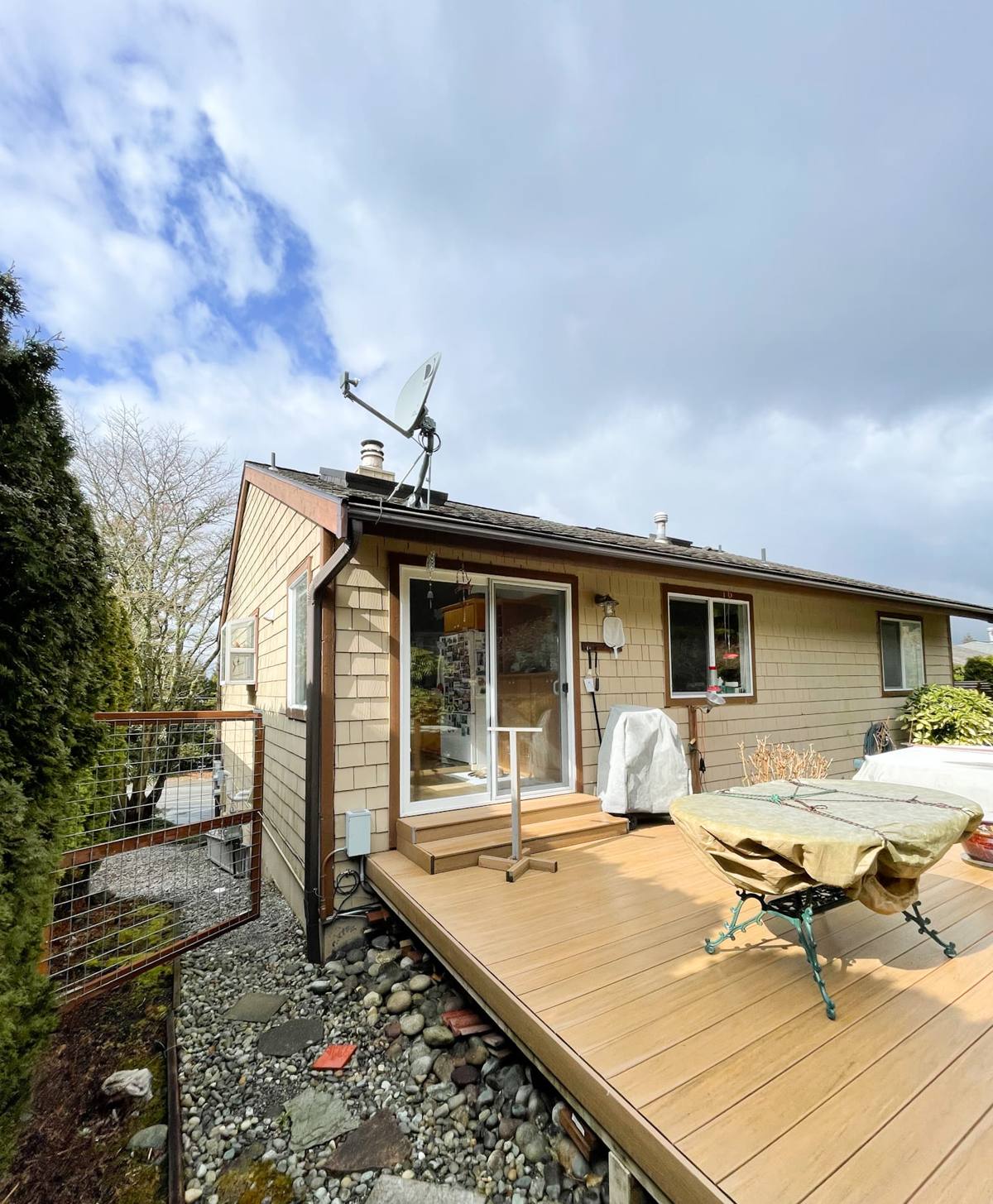
What "Custom" Actually Means on a Job Like This
Custom windows aren't a product category so much as a fitting process. Most homes in this area, especially older ones, don't have perfectly square, standard-sized openings anymore — decades of settling, past remodels, or original construction quirks mean every opening gets measured on its own. Custom means:
- The window is built to the exact dimensions of your opening, not the closest stock size with shims and extra caulk to fill the gap
- Frame depth and mounting method match how your walls are actually built, whether that's original wood-frame construction or a previous remodel
- Grille patterns, exterior color, and interior finish can match the rest of the house instead of forcing a mismatched look
- Retrofit (insert) or full-frame replacement is chosen based on the condition of your existing frame and sill, not a one-size answer
That last point matters more here than in most climates. If we open a wall and find the sheathing or sill has taken on water damage — which we do see in older Silver Beach homes with a history of leaks — a full-frame replacement that lets us address the water damage properly is usually the better long-term call, even though it costs more than a straightforward insert.
Retrofit vs. Full-Frame: How We Decide
Retrofit windows install into the existing frame and are faster and less invasive, which works well when the original frame is still sound and dry. Full-frame replacement removes the window down to the rough opening, which costs more and takes longer but lets us inspect and repair flashing, sheathing, and framing that a retrofit would just cover up. We won't recommend full-frame replacement unless there's a real reason for it — but we also won't sell you a retrofit over a frame we know is already compromised.
Frame Materials: What Holds Up Near the Water
There's no single "best" material for every situation — it depends on your budget, the style of the house, and how much upkeep you're willing to do. Here's how the common options compare for a Silver Beach setting specifically:
| Material | Salt air / moisture behavior | Maintenance | Typical trade-off |
|---|---|---|---|
| Vinyl | Won't rust or corrode; handles moisture well | Low — occasional cleaning | Limited color/finish options; can look plain on older architectural styles |
| Fiberglass | Very stable in temperature and moisture swings; resists warping | Low | Higher upfront cost than vinyl |
| Wood-clad | Exterior cladding protects the wood, but any breach in the cladding lets moisture reach the wood core | Higher — cladding seams and any exposed wood need monitoring | Best appearance match for historic or traditional homes; more sensitive to installation quality |
| Aluminum | Conducts cold and can corrode over time in salt air unless properly coated | Moderate | Slim sightlines, but generally not our first recommendation this close to the water |
For most Silver Beach homes we lean toward vinyl or fiberglass because they shrug off the moisture and salt exposure with the least ongoing care. Wood-clad is still a legitimate choice — especially on older homes where matching the original look matters — but it demands a cleaner installation and a homeowner willing to check the cladding seams periodically. We'll walk you through the honest trade-offs for your specific house rather than pushing one material across the board.
Glass Packages and Condensation
Standard double-pane, low-E glass is adequate for most rooms, but a few situations in this area call for an upgraded package:
- Rooms with a west or north exposure that stay cool and damp — a warmer-edge spacer and a well-tuned low-E coating reduce interior condensation on cold, wet days
- Rooms near the water with more direct wind exposure — impact-resistant or heavier-gauge glass can be worth discussing if wind-blown debris has ever been a concern
- Bathrooms and kitchens — moisture-heavy rooms benefit from the same condensation-resistant glass upgrades regardless of which wall they're on
Condensation on the inside of new windows is one of the most common callbacks we hear about from homeowners who've had work done elsewhere, and it's almost always a combination of glass selection and interior humidity, not a defective window. We'll talk through both when we scope your job.
The Installation Details That Actually Matter Here
The window itself is only part of the job. In a neighborhood that takes driving rain straight on, how the window is sealed into the wall determines whether it stays dry for twenty years or starts leaking in five. A correct installation includes:
- Removing and inspecting the old flashing and sill pan, not just caulking over what's there
- Installing a proper sill pan flashing that directs any water that does get past the window back outside, rather than into the wall cavity
- Sequencing the house wrap and flashing tape so water sheds downward and outward at every layer — top piece over the one below it, never the reverse
- Using a sealant rated for this climate at the exterior joint, and leaving the correct drainage path rather than sealing the window in air-tight on all four sides
- Confirming proper shimming and fastening so the frame doesn't rack out of square as the house settles
This is the part of the job that's invisible once it's finished, which is exactly why it's the part that gets rushed on lower-bid jobs. It's also the part most likely to cause a leak years later if it's done wrong — often long after the original installer is gone.
Our Process, Start to Finish
We keep the process straightforward:
- Free estimate and site walk. We look at your existing windows, note any signs of water intrusion or frame damage, and measure actual openings — not assumed standard sizes.
- Material and glass recommendation. Based on the exposure of each wall and your budget, we recommend options rather than a single default.
- Custom order. Windows are built to your exact openings after you approve the plan.
- Installation. Old windows come out, the opening is inspected, flashing and sealing are done properly, and new windows go in.
- Final walkthrough. We check operation, seals, and finish work with you before we consider the job done.
Timeline Expectations
Custom windows typically take several weeks to arrive after ordering, since they're built to your specific measurements rather than pulled off a shelf. Installation itself is usually one to a few days depending on how many windows are involved and whether we're doing retrofit or full-frame work.
Signs Your Current Windows Are Already Losing the Battle
A lot of homeowners call us after noticing something small, not a dramatic leak. Worth checking for:
- Soft or discolored wood trim or sill, especially on north- or west-facing windows
- Persistent condensation between the panes (a sign the seal has failed, not just a humidity issue)
- Moss or dark staining building up on the sill or exterior casing faster than on other parts of the house
- Drafts you can feel with a hand near the frame on a windy day
- Windows that are difficult to open, close, or lock — often a sign the frame has shifted
- Visible gaps or failed caulk lines at the exterior trim
Any one of these is worth a look. None of them are emergencies on their own, but they tend to get worse through another wet Whatcom County winter rather than better.
Why Local Experience in This Neighborhood Matters
A crew that's worked Silver Beach knows which walls take the worst of the weather, what kind of framing and flashing tends to show up in homes of a given age around here, and how to sequence a job around this area's wet stretches instead of getting caught mid-installation by a storm rolling in off the bay. That's not something you can substitute with a general contractor working the neighborhood for the first time. We'd rather scope your job accurately up front — including telling you when a smaller repair makes more sense than a full replacement — than oversell you.
Maintenance After Installation
New windows still need a little seasonal attention in this environment. Rinse salt residue off exterior frames a few times a year, especially after storms. Keep gutters and downspouts clear so runoff isn't sheeting directly down over your windows. Brush moss and organic buildup off sills and trim before it has a chance to hold moisture against the frame. None of this is heavy work, but skipping it is how even a well-installed window ages faster than it should in a salt-air, high-moisture spot like this.
If you're seeing any of the warning signs above, or you're just ready to stop patching old windows through another Bellingham winter, we're happy to take a look. Reach out for a free, no-pressure estimate using the form below.