 Bellingham
 Window Installation Built for Silver Beach's Weather, Not Just Its Views
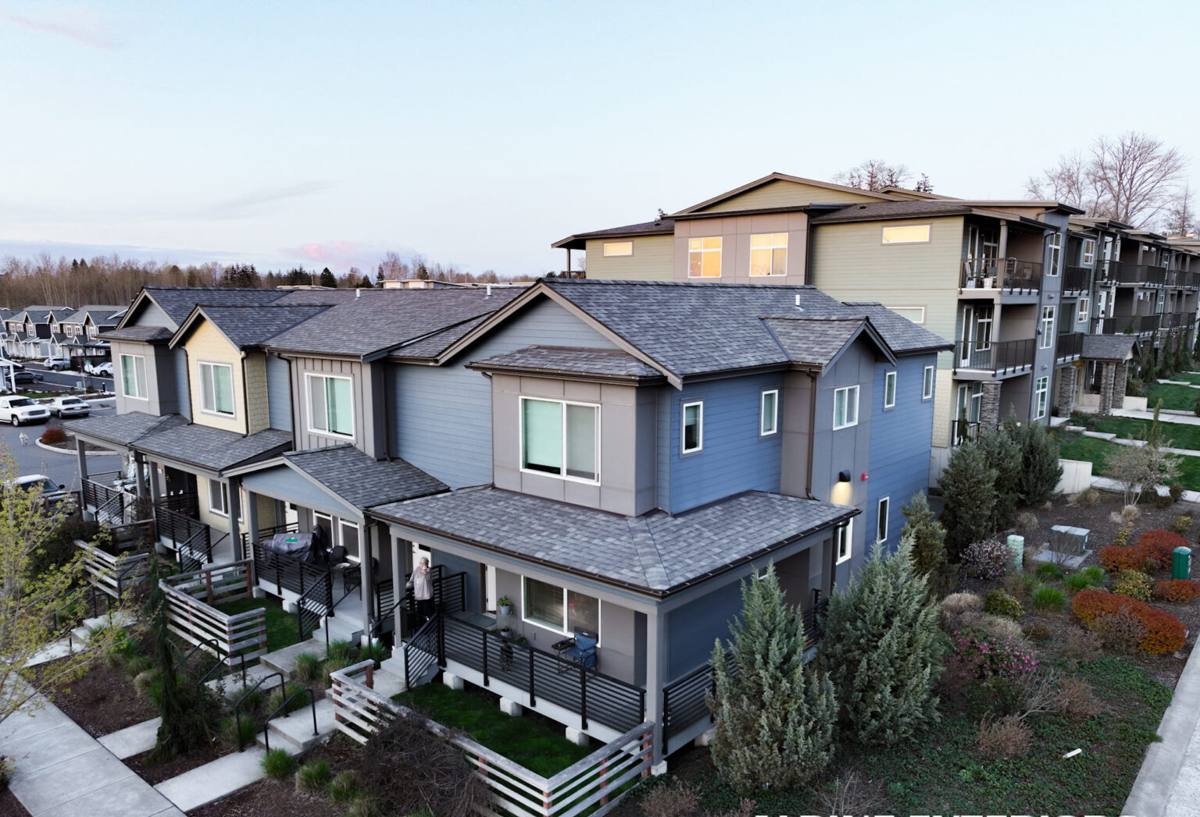
Silver Beach sits in one of the wetter, greener pockets of Bellingham, and homes here take a steady beating from Whatcom County's marine climate. Windows in this neighborhood aren't just an energy-efficiency upgrade — they're one of the biggest weatherproofing decisions a homeowner makes. A window that's installed correctly can go twenty-plus years without a callback. One that's installed carelessly, even if it's a good product, can start leaking, fogging, or sticking within a couple of winters. This page walks through what Silver Beach homes specifically need from a window installation, what a correct job actually involves, and why local installation experience matters as much as the window brand you choose.
What Local Conditions Do to Windows Over Time
Three things define window performance in this area: near-constant moisture, driving wind-driven rain off the water, and a long moss and algae season that keeps exterior surfaces damp for months at a stretch. None of these are dramatic on their own, but they're relentless, and relentless is what wears out a window assembly.
Moisture and Driving Rain
Bellingham doesn't get many hard downpours, but it gets a lot of sideways rain pushed by wind off the water. That kind of rain finds gaps a straight-down rainstorm never would. Around a window, that means the flashing details, the sealant joints, and the sill pan matter more here than they would in a drier climate. A window that's simply caulked around the edges instead of properly flashed and pan-sealed will eventually let water behind the trim, even if it looks fine from the street for years.
Moss, Algae, and Prolonged Dampness
The same shade and humidity that keep Whatcom County lawns green also grow moss and algae on north-facing walls, trim, and window sills that don't get much sun or airflow. Left alone, that growth holds moisture against wood trim and frames, which accelerates rot and paint failure. It's not usually the window itself that fails first — it's the trim and sill around it.
Salt and Marine Air
Homes closer to the water deal with airborne salt and moisture that speeds up corrosion on hardware, screens, and lower-quality metal components. It's a slower process than storm damage, but over a decade it shows up as pitted hardware, stiff locks, and corroded screen frames.
Signs a Silver Beach Home Needs New Windows
Most window problems show up gradually, and homeowners often adjust to them without noticing how far things have slipped. Here's what we look for, and what you can check yourself:
- Visible fog or moisture trapped between glass panes — the seal has failed and the insulating gas is gone
- Soft or discolored wood trim around the window frame, especially on north or west-facing walls
- Windows that are hard to open, close, or lock, or that no longer sit flush in the frame
- Noticeable draft or cold spot near the window even when it's fully closed
- Paint or finish that's peeling or bubbling on the interior sill, a common sign of slow moisture intrusion
- Visible daylight or gaps around the frame from outside
- Rising heating bills without any other explanation
What a Correct Window Installation Actually Involves
The window unit itself is only part of the job. Most leaks and premature failures trace back to the installation details around the window, not the window product. A correct job includes:
- Removing old trim and inspecting the framing and sheathing underneath for hidden rot before anything new goes in
- Installing a sloped sill pan so any water that does get past the exterior sheds outward instead of pooling
- Flashing the window opening in the correct shingle-lap order (sill, jambs, then head) so water is always directed down and out
- Using housewrap and flashing tape integration that ties into the existing weather-resistive barrier, not just sealant over the gap
- Shimming and squaring the unit so it operates smoothly and seals evenly, not just fastening it in whatever position it landed in
- Insulating the gap between the window frame and rough opening — without overfilling it, which can bow the frame
- Sealing and finishing the interior and exterior trim so the whole assembly sheds water and looks finished
Replacement Windows vs. New Construction Openings
Most work in established Silver Beach homes is a replacement into an existing opening, which means working around whatever trim, siding, and flashing is already there rather than building it fresh. That takes more judgment calls than new construction — deciding whether the existing flashing is still sound, whether old caulk needs to be fully removed, and whether the rough opening itself needs repair before a new window goes in. This is where installation experience matters more than the product catalog.
Choosing a Window Type for This Climate
There's no single "best" window material — it depends on the home, the exposure, and how much upkeep you want to do. Here's how the common options hold up under Whatcom County conditions:
| Frame Material | How It Handles Local Moisture | Maintenance | Typical Fit |
|---|---|---|---|
| Vinyl | Won't rot or corrode; performs well in wet, mild climates | Low — occasional cleaning | Most homes; best value |
| Fiberglass | Very stable in temperature and moisture swings, holds paint well | Low to moderate | Homes wanting a wood look without wood upkeep |
| Wood (clad exterior) | Good if exterior is properly clad and sealed; exposed wood needs more attention | Higher — finish upkeep on any exposed wood | Older or historic-style homes prioritizing appearance |
| Aluminum | Prone to condensation and corrosion in marine air unless thermally broken | Moderate | Limited use; mainly commercial or specific architectural needs |
For most Silver Beach homes, we steer people toward vinyl or fiberglass because they don't depend on a maintained paint film to stay watertight — that matters in a climate where exterior surfaces stay damp for long stretches. If you want a wood-look interior with low-maintenance performance outside, a clad wood or fiberglass window gets you both without the upkeep burden of solid exposed wood.
Glass Package Matters Too
In this climate, the glass package is as important as the frame. Double-pane, low-E glass is the standard baseline. Triple-pane adds real value on north-facing walls or rooms that stay cold and damp, but it adds weight and cost that isn't always worth it on every elevation of every home — we'll tell you honestly where it pays off and where it doesn't.
Our Installation Process
- On-site assessment: We look at each window individually — exposure, existing trim condition, and any signs of hidden moisture damage — rather than quoting a flat per-window price without seeing the home.
- Product selection: We walk through frame material, glass package, and style options based on your budget and how exposed that particular window is to wind and rain.
- Removal and inspection: Old windows come out carefully so we can check the framing and sheathing underneath before anything new goes in.
- Flashing and sealing: Sill pan, flashing, and weather barrier integration happen before the new window is set — this is the step that determines whether the installation lasts.
- Setting and finishing: The window is shimmed, squared, insulated, and trimmed on both the interior and exterior.
- Final check: We test operation, locks, and seals, and walk the job with you before we call it done.
What Affects the Cost of Window Installation
| Factor | Why It Changes the Price |
|---|---|
| Frame material | Vinyl is generally the most affordable; fiberglass and clad wood cost more |
| Glass package | Triple-pane and specialty coatings add cost per unit |
| Number of windows | Full-home replacements typically bring a better per-window rate than one-off units |
| Condition behind the trim | Hidden rot or damaged framing found during removal adds repair time |
| Window size and type | Larger openings, custom shapes, or operable styles like casements cost more than standard sliders |
| Access and story height | Second-story or hard-to-reach windows take more time and equipment |
We give you a real number after seeing the windows in person, not a phone estimate. Every home in this neighborhood has a slightly different mix of exposure and existing condition, and that's what actually drives cost.
Why Hire a Crew That Already Works in Silver Beach
A window installer who works regularly in this part of Bellingham already knows what to expect: how far moisture tends to travel behind trim on shaded walls, which flashing details actually hold up through a wet Whatcom County winter, and how to sequence a job around the rain instead of getting caught mid-installation with an open wall. That local pattern recognition is hard to replace with a generic crew that installs the same way everywhere regardless of climate. It also means faster, more accurate quotes, because we're not guessing at how the neighborhood's homes are typically built or how their trim tends to hold up.
We also stand behind the installation itself, not just the manufacturer's product warranty. If flashing or sealant work isn't performing the way it should, that's on us to make right.
Get a Straightforward Estimate
If you're dealing with foggy glass, drafty rooms, or trim that's starting to soften around your windows, it's worth getting a second set of eyes on it before the problem grows. Fill out the form below for a free, no-pressure estimate — we'll look at your windows, tell you honestly what needs replacing and what doesn't, and give you real numbers to work with.