 Bellingham
 Storm Damage in Puget: What Bellingham Weather Actually Does to a Roof
Puget sits close enough to the water that every winter storm arrives with a package deal: gusty southerlies, sideways rain, and salt-laden air that doesn't let up for months at a time. None of those three things is dramatic on its own, but stacked together over a Whatcom County winter, they wear a roof down faster than homeowners moving up from drier climates expect. We've spent years repairing storm damage on roofs in this part of Bellingham, and the pattern is consistent: it's rarely one big blowout that causes the real trouble. It's a storm that lifts a few shingles or knocks loose a section of flashing, followed by weeks of steady rain finding that opening before anyone notices a leak inside.
This page is about one job, done right, for this one area: storm damage roof repair for Puget homes. Not a general roofing pitch — the specific work of assessing what a storm actually did, fixing it so it doesn't recur, and doing it in a way that accounts for what comes next in a Bellingham winter.
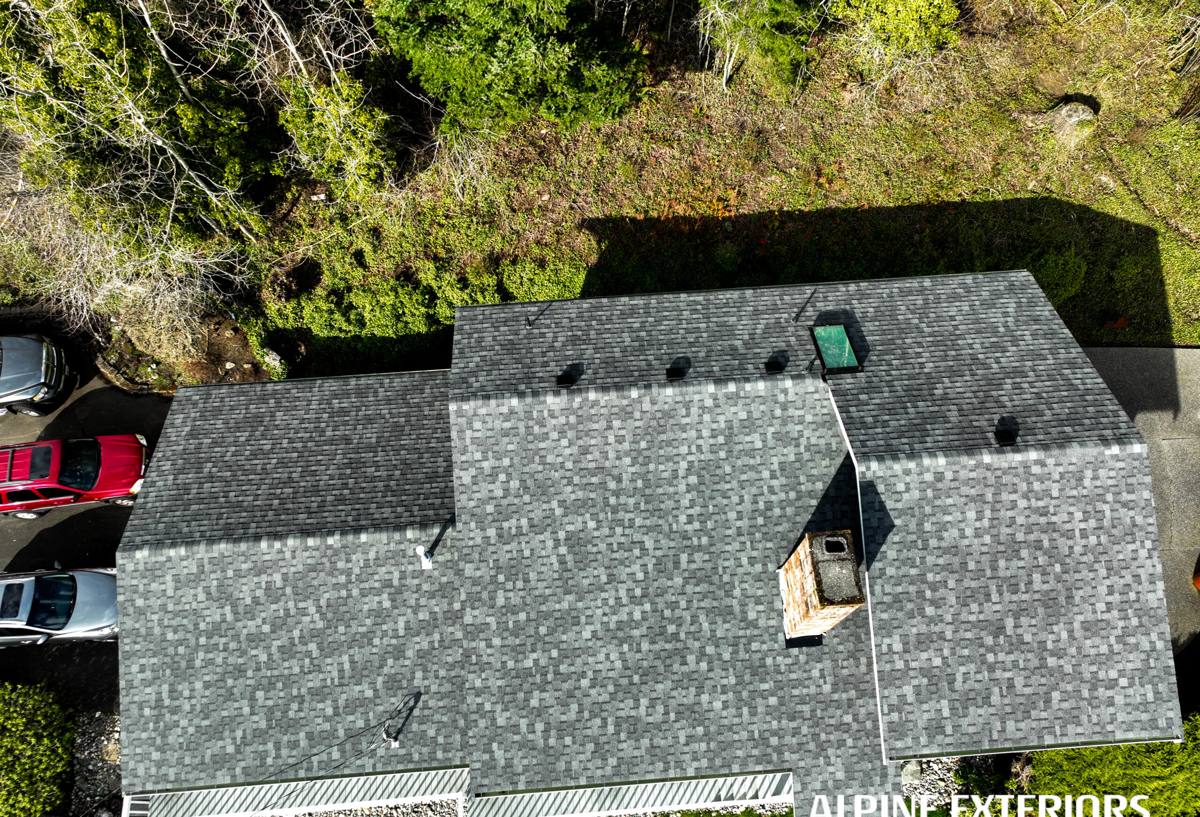
What Counts as Storm Damage (and What Doesn't)
Insurance adjusters and roofers don't always agree on this, so it's worth being clear. Storm damage typically means:
- Shingles or shakes torn, creased, or lifted by wind
- Flashing pulled loose or bent around chimneys, vents, and skylights
- Fascia, soffit, or gutters damaged by falling limbs or debris
- Punctures or bruising from wind-driven branches or hail
- Sudden leaks that appeared during or right after a specific weather event
What usually isn't storm damage, even though it shows up around the same time a storm hits: moss buildup that's been working its way under shingle tabs for a season or two, granule loss from a roof that's simply near the end of its service life, or nail pops from age-related movement. We'll tell you honestly which category your roof falls into. Sometimes a storm just finishes off a roof that was already failing — that's still worth knowing before you file a claim or pay for a repair that won't hold.
Signs a Puget Roof Has Storm Damage
Most homeowners don't get up on the roof after a storm, and they shouldn't — wet moss-covered shingles on a wind-scoured roof are not a safe place to be checking your own work. Instead, watch for these from the ground and inside the house:
Exterior signs
- Shingles or shake pieces in the yard or gutters after wind
- Visible gaps or dark patches where shingles are lifted or missing
- Flashing that looks bent, separated, or missing around chimneys and vent pipes
- Gutters pulled away from the fascia or sagging under debris
- Fresh scrape marks or bare wood where branches contacted the roof
Interior signs
- A new water stain on a ceiling or upper wall, especially after a windy rain event
- Musty smell in an attic or top-floor closet
- Daylight visible through the roof deck from inside the attic
- Damp insulation or a sudden increase in attic humidity
Because our storms tend to come in from the water with real horizontal force, wind-driven rain can push moisture in through gaps that would never leak in a straight-down rain. That's a distinction we look for specifically on Puget roofs — a repair that stops water falling straight down but ignores wind-driven intrusion isn't a complete repair here.
Our Storm Damage Repair Process
We keep this process the same whether the damage is small or significant, because skipping steps is how repairs fail a second time.
1. Inspection and documentation
We walk the roof (weather permitting) and check the attic from inside, photographing anything damaged. If you're filing an insurance claim, this documentation is what your adjuster needs to see, in a form they can actually use.
2. Diagnosis, not just patching
We trace water intrusion back to its actual entry point. Water travels along rafters and sheathing before it shows up as a stain, so the wet spot on your ceiling is often several feet from where the roof actually failed. Patching the visible spot without finding the real entry point is the single most common reason storm repairs don't hold.
3. Temporary protection when needed
If a storm has left an active leak and full repair has to wait — for parts, for weather, for insurance approval — we'll tarp or dry-in the affected area so the damage doesn't spread while you wait.
4. The repair itself
This means replacing damaged shingles or shake with matching material, re-flashing where seals have failed, resetting or replacing gutters, and sealing all penetrations correctly the first time. We don't caulk over a flashing problem and call it fixed — sealant is a stopgap, not a repair, and it fails faster than people expect in this climate.
5. Final check
We confirm the repair from both the roof surface and the attic side before we consider the job done.
Repair vs. Replace: How We Make the Call
Not every storm-damaged roof needs a full replacement, and not every roof that looks fine after a storm is actually sound underneath. Here's the general framework we use, though every roof gets an honest, specific assessment rather than a formula:
| Situation | Usually a repair | Usually points to replacement |
|---|---|---|
| Roof age | Under 12-15 years, otherwise sound | Already near or past expected lifespan |
| Damage extent | Isolated to one section or a few shingles | Widespread across multiple slopes |
| Underlying deck | Dry, solid wood found under the damaged area | Soft, stained, or rotted decking discovered |
| Moss/organic buildup | Light, hasn't compromised shingles | Heavy, has been lifting tabs and holding moisture for years |
| Prior repairs | Few or none — original roof otherwise intact | Multiple past patches stacked in the same areas |
If we open up a damaged section and find the decking underneath is still sound, a targeted repair is the honest recommendation — there's no reason to sell a full replacement when a repair will hold. If we find rot, chronic moss damage, or a roof that's simply worn out everywhere the storm touched, we'll say so plainly and explain why a repair there wouldn't be a good use of your money.
Materials We Use for Storm Repairs in Whatcom County
Whatever roofing material your home has, the replacement pieces need to match in both look and performance — mismatched shingles are one of the most common complaints we hear about other repair jobs. Beyond matching, we account for our specific conditions:
- Flashing: We favor metal flashing systems over reliance on sealant alone, since salt air and constant moisture cycles break down adhesive-based seals faster than they will inland.
- Fasteners: Corrosion-resistant fasteners matter more here than in drier parts of the state — standard fasteners can start showing rust streaks within a few seasons this close to salt water.
- Underlayment: Where a repair opens up enough roof to expose underlayment, we use products rated for the wind-driven rain this area sees, not just standard felt.
- Moss treatment: If moss contributed to the failure, we address it as part of the repair — treating and clearing growth, not just fixing the hole it caused.
Working With Insurance
Storm damage is one of the more straightforward categories for a homeowner's insurance claim, but adjusters still need clear evidence tying the damage to a specific weather event rather than gradual wear. Our documentation — photos, notes on the mechanism of damage, and a clear repair scope — is written to support that claim, not just to describe the fix. We're happy to meet an adjuster on-site if that's useful, and we'll give you a straight answer about whether we think a claim is worth filing at all; some minor repairs cost less out of pocket than a deductible.
Why a Crew That Already Works Puget Matters
Roofing in Bellingham isn't the same job as roofing somewhere dry and inland, and Puget's proximity to the water sharpens that difference further. A crew that works this area regularly already knows how fast moss establishes on a north-facing slope here, how far wind-driven rain travels under a lifted shingle before it shows up as a stain, and which flashing details actually hold up against a winter of salt air and storms rolling in off the water. That's not something you can fully substitute with a general roofing checklist — it's pattern recognition built from repairing this specific kind of damage, in this specific climate, over and over. It also means we're not guessing at scheduling around our storm season; we know when the next system is likely to arrive and plan repair timing accordingly, so your roof isn't left exposed longer than it needs to be.
Storm Damage Repair Checklist
If a storm has just come through Puget, here's what to check and do, in order:
- Check ceilings and attic spaces for new stains, drips, or damp insulation
- Look from ground level (not the roof) for missing or displaced shingles, debris, or damaged gutters
- Photograph any visible exterior damage for your own records
- Move furniture or belongings away from any active interior leak
- Call a roofer for inspection before assuming it's minor — small entry points cause outsized damage over weeks
- Hold off on climbing up to inspect or patch it yourself, especially on wet or moss-covered surfaces
- Ask whether the damage is worth an insurance claim before assuming it is or isn't
Get a Free, No-Pressure Estimate
If your Puget-area home has taken storm damage — or you're just not sure whether that ceiling stain is new — we'll come take an honest look and tell you what we find. No pressure, no upsell, just a clear assessment and a straight answer about what it will take to fix it right. Use the form below to request your free estimate.