 Bellingham
 Asphalt Shingle Roofing Built for Sunnyland's Weather
Sunnyland sits close enough to Bellingham Bay that homes here get a steady mix of salt-tinged air, wind-driven rain off the water, and the deep shade from mature trees that lines many of its older streets. That combination is hard on a roof. Asphalt shingles remain the most practical, cost-effective choice for most homes in this neighborhood, but only when they're installed with this specific climate in mind. A shingle roof that would hold up fine in a drier inland town can fail early here if the underlayment, flashing, and ventilation weren't built for Whatcom County conditions.
This page covers what asphalt shingle roofing actually needs to succeed in Sunnyland — not generic roofing advice, but the details that matter for this neighborhood's mix of coastal exposure, tree cover, and older housing stock.
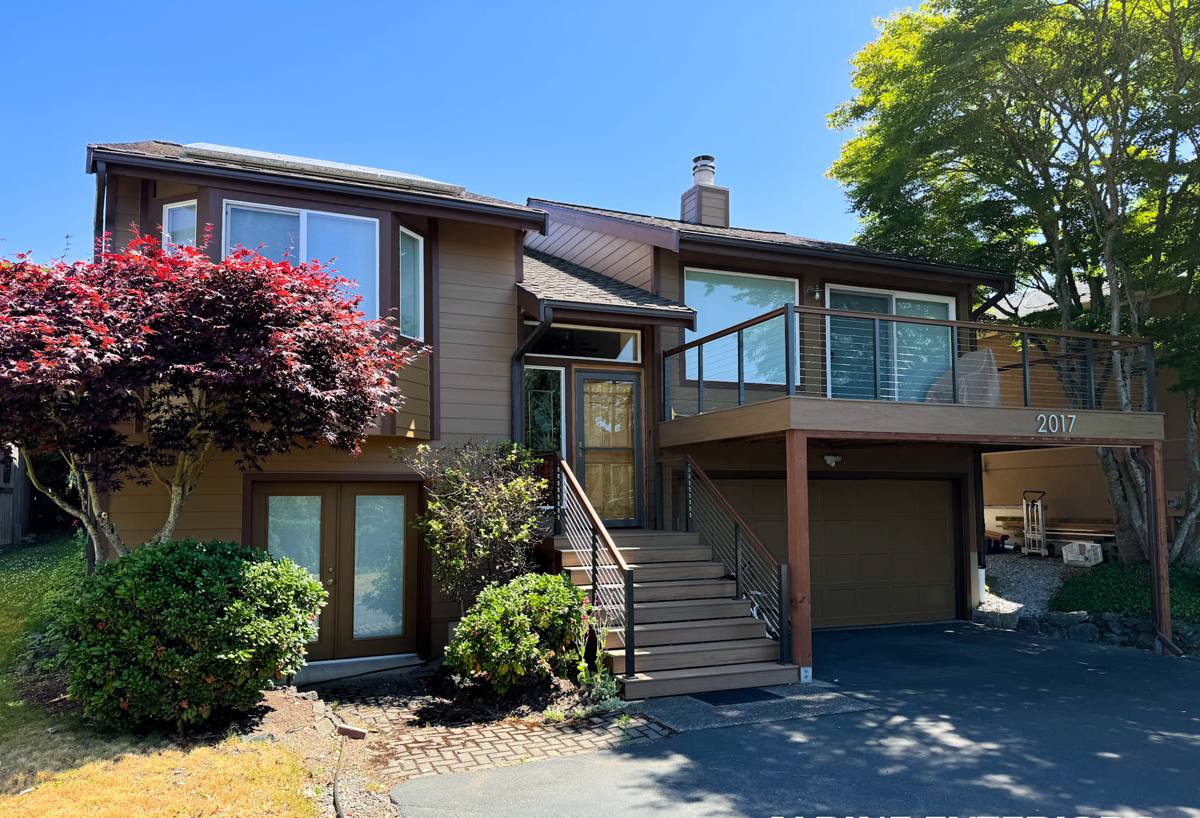
Why Sunnyland's Climate Is Tougher on Roofs Than It Looks
Salt Air and Corrosion
Homes closer to the water pick up airborne salt that accelerates corrosion on exposed metal — nail heads, flashing seams, and vent stacks in particular. Cheap or under-spec fasteners and flashing show rust streaks and early failure years before a properly specified system would. It's a slow problem, which is exactly why it gets missed: the shingles can look fine while the metal underneath them is quietly wearing out.
Driving Rain
Storms coming off the Strait of Georgia and Bellingham Bay don't always fall straight down — wind pushes rain sideways and up under shingle edges, especially at eaves, valleys, and anywhere the roofline changes pitch or direction. This is why underlayment quality and flashing detail matter more here than in calmer inland climates. A roof that only handles vertical rain well isn't enough.
Moss Season
Whatcom County's long, wet, mild winters are close to ideal growing conditions for moss, and Sunnyland's tree canopy makes it worse by keeping roof sections shaded and slow to dry. Moss isn't just cosmetic — it holds moisture against the shingle surface, works its way under tabs, and can lift shingles enough for wind and rain to get underneath. Left unchecked over several seasons, moss growth shortens the effective life of an asphalt roof significantly.
Tree Debris and Shade
Needles, leaves, and branch debris collect in valleys and behind chimneys, holding water and organic matter against the roof surface. Combined with shade that slows drying, this creates the exact conditions moss and algae need to take hold. Roofs on heavily treed lots need more frequent debris clearing than roofs in open, sunny areas of the same town.
What a Correct Asphalt Shingle Job Looks Like Here
A roof that's going to actually perform in Sunnyland's conditions is built in layers, and every layer has to be right — not just the shingles on top.
- Deck inspection and repair: Any soft, delaminated, or water-stained sheathing gets replaced before anything new goes down. Shingles over a compromised deck fail regardless of quality.
- Ice-and-water shield at vulnerable points: Eaves, valleys, and roof-to-wall transitions get self-adhering waterproof membrane, not just standard felt, because these are the spots driving rain and moss moisture find first.
- Synthetic underlayment across the field: A durable synthetic underlayment resists tearing and holds up better under Whatcom County's wet, mild-but-long roofing season than older felt products.
- Corrosion-resistant flashing and fasteners: Given the salt air exposure common in Sunnyland, we spec metal that's rated to handle it, not just whatever is cheapest.
- Proper ventilation: Balanced intake and exhaust venting keeps the attic dry and temperature-stable, which reduces condensation, extends shingle life, and helps prevent ice damming in cold snaps.
- Quality shingle selection and installation: Algae-resistant (AR-rated) shingles are worth the modest upcharge in a shaded, damp neighborhood like this one — they contain copper-releasing granules that slow the black streaking common on north-facing and tree-shaded slopes.
Signs a Sunnyland Roof Needs Attention
Most asphalt shingle roofs don't fail all at once — they show warning signs first. Homeowners who catch these early save significant money over waiting for a leak.
- Moss visible on the roof surface, especially on shaded or north-facing slopes
- Granules collecting in gutters or at downspout outlets
- Shingles that look cupped, curled, or are lifting at the edges
- Dark streaking (algae) across the roof field
- Soft spots or sagging when viewed from the ground
- Water stains on interior ceilings, especially after a windy rainstorm
- Daylight visible through the attic roof deck
- Rust staining around vent stacks, chimneys, or flashing
Any one of these is worth a look. Several together usually means it's time for a real inspection rather than a patch.
Repair, Re-Roof, or Replace: How to Think About It
| Situation | Likely Path | Why |
|---|---|---|
| Isolated leak, roof under 10-15 years old, deck sound | Targeted repair | Flashing, a damaged section, or a vent boot failure can often be fixed without touching the whole roof |
| Widespread moss/algae, granule loss, roof 15-20+ years old | Full replacement | At this stage the shingle mat itself is degrading; repairs only buy limited time |
| Good shingle condition but deck rot found during inspection | Deck repair plus reroofing that section | Shingles can't be reliably reinstalled over damaged sheathing |
| Multiple past patch repairs, inconsistent shingle lots | Full replacement | Patched roofs often have mismatched flashing details that keep reopening leak paths |
| Storm damage (wind-lifted or missing shingles) on an otherwise sound roof | Repair, sometimes insurance-involved | Localized damage on a younger roof usually doesn't require full replacement |
An honest inspection is the only way to know which category a given roof falls into. We'll tell you straight if a repair makes more sense than a full replacement — a smaller job done right is better for everyone than an oversold one.
Our Process for Sunnyland Roofing Jobs
1. Inspection and Assessment
We walk the roof (or use a lift where the pitch or access calls for it), check the attic for ventilation and moisture issues, and look at gutters, flashing, and any visible interior water staining. Tree cover and shade patterns get noted too, since they affect both current condition and future maintenance needs.
2. Written Scope and Estimate
You get a clear, itemized estimate — what's being replaced, what materials are specified and why, and what the timeline looks like. No pressure, no scare tactics about moss or storms to force a decision.
3. Tear-Off and Deck Check
Old material comes off down to the deck so we can actually see what's underneath, rather than guessing. Any rot or damage gets flagged and priced before proceeding, not discovered as a surprise later.
4. Underlayment, Flashing, and Shingle Installation
Waterproof membrane at vulnerable points, synthetic underlayment across the field, corrosion-resistant flashing, then shingles installed to manufacturer spec and proper nailing pattern — nailing pattern matters more than people think, since underdriven or overdriven nails are a common cause of premature shingle failure.
5. Cleanup and Final Walkthrough
Job site and gutters get cleared of debris and old material, and we walk the finished roof with you so you know what was done and what maintenance, if any, it needs going forward.
Maintenance That Actually Extends Roof Life Here
A well-installed asphalt shingle roof in Sunnyland still needs some upkeep given the tree cover and moisture load. This isn't a long list, but it matters:
- Clear gutters and valleys of leaves and needles at least twice a year, more often on heavily treed lots
- Have moss treated or removed before it spreads across a full slope, not after
- Trim back branches that overhang the roofline to reduce shade and debris
- Get a professional look after any major windstorm, even if nothing looks obviously wrong
- Check attic ventilation periodically — blocked soffit vents are a common, easy-to-miss problem
Materials: What We Recommend and Why
Standard three-tab shingles are the least expensive option but tend to show wear fastest under Whatcom County's wet, mossy conditions. Architectural (laminated) shingles cost more upfront but offer better wind resistance and a heavier profile that generally holds up better to the driving rain common here. For homes with heavy shade, algae-resistant shingles are worth the modest premium — the copper-infused granules meaningfully slow the black streaking that shaded, damp roofs are prone to. We're glad to walk through the tradeoffs on your specific roof rather than defaulting to the most expensive option.
Get a Straightforward Estimate
If you're seeing moss buildup, granule loss, or a leak on a Sunnyland roof — or you just want an honest read on how much life is left in the one you've got — we're happy to take a look. The estimate is free, there's no pressure, and you'll get a clear explanation of what we see and what it would take to fix it. Use the form below to get started.