 Bellingham
 Building New in Sunnyland Means Getting the Window Install Right the First Time
When you're framing a new home or a major addition in Sunnyland, the windows aren't just a finish item you pick from a catalog — they're a structural and moisture-management decision that gets made once, at rough opening, and then lives behind siding and trim for decades. Sunnyland sits in a part of Bellingham that sees a lot of the weather Whatcom County is known for: salt-laden air moving in off the water, wind-driven rain that doesn't fall straight down, and long stretches of gray, damp months where surfaces stay wet far longer than they would in a drier climate. New-construction windows give you one real advantage over a retrofit: you get to build the water management system correctly from the studs out, instead of working around whatever's already there.
This page is about that specific job — installing windows during new construction in Sunnyland — not window replacement in an existing wall. The two jobs share a product category but almost nothing else in terms of technique, sequencing, or what "correct" looks like.
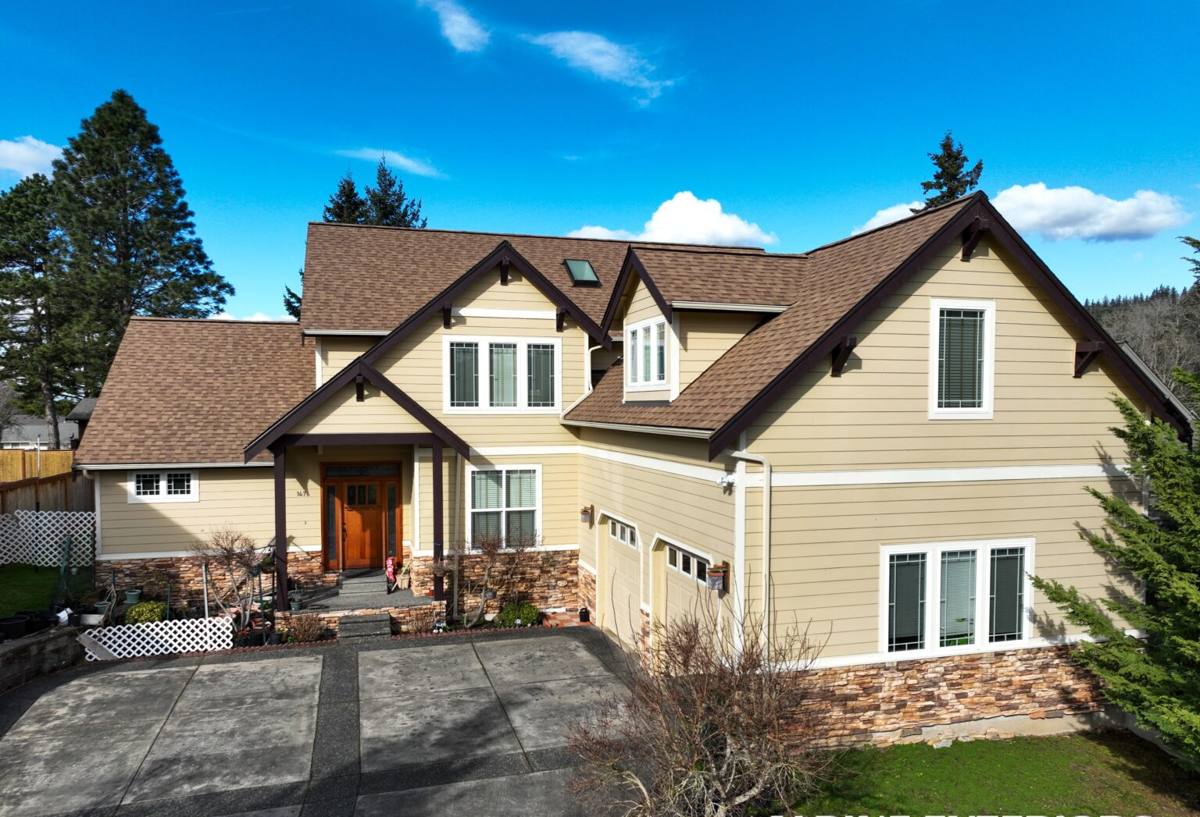
New-Construction vs. Replacement Windows: Why the Distinction Matters
A new-construction window has a nailing fin (sometimes called a flange) around the perimeter of the frame that gets fastened directly to the wall sheathing, then integrated into the weather-resistive barrier (WRB) and flashing before siding goes on. A replacement or "pocket" window is designed to fit inside an existing frame with no fin, relying on the old frame and existing flashing to do the water management work.
On a new build, you have the chance to do this the way it's supposed to be done — flashing tucked under the WRB at the head, over the WRB at the sill, sealed at the jambs, with no shortcuts because there's no old wall in the way. That's the whole advantage of new construction, and it's wasted if the installer treats it like a replacement job or skips steps because "it's all going to be covered by siding anyway."
What Sunnyland's Climate Actually Does to a Window Opening
Salt Air and Coastal Exposure
Bellingham sits on Bellingham Bay, and neighborhoods across the city — Sunnyland included — get some degree of salt-laden air moving through, especially on windy days. Salt air accelerates corrosion on exposed fasteners, hinges, and hardware, and it can degrade certain sealants and finishes faster than a purely inland climate would. This is a slow, cumulative effect — not something that shows up in year one — which is exactly why it matters to plan for it during construction rather than discover it during a warranty call five years later.
Driving Rain and Wind-Driven Moisture
Whatcom County doesn't just get a lot of rain — it gets a lot of horizontal rain. Wind off the water pushes moisture sideways into wall assemblies, which means a window opening has to be treated as a system that sheds water down and out, not just a hole that's caulked around the edges. Sill pan flashing, proper WRB lapping, and correctly sequenced house wrap integration matter more here than in a climate where rain mostly falls straight down.
Moss, Shade, and Prolonged Dampness
Long moss season is a fact of life in this part of Washington. Mature tree cover, shaded exposures, and a mild, wet climate mean organic growth on siding, trim, and window sills is a matter of when, not if, if surfaces don't drain and dry properly. A window sill with inadequate slope or a sill pan that traps water instead of shedding it becomes a spot where moss, algae, and eventually rot get a head start.
What a Correct New-Construction Window Install Actually Involves
The window unit itself is only part of the job. The flashing and sequencing around it is what determines whether that opening stays dry for the next 30-plus years or becomes a slow leak that isn't discovered until there's visible damage inside. A correct install, in order, generally includes:
- Rough opening framed to the window manufacturer's specified tolerances — not "close enough."
- Sill pan flashing installed with a back dam and forward slope, so any water that gets past the window drains back outside the wall rather than pooling on the sill.
- Weather-resistive barrier lapped correctly at the opening — WRB overlapping the top of the flashing at the head, and the flashing overlapping the WRB at the sill, so water always moves down and over the next layer, never behind it.
- Window set into the opening, checked for level, plumb, and square before fastening.
- Nailing fin fastened per the manufacturer's schedule — spacing and fastener type matter for both structural performance and warranty compliance.
- Flashing tape or self-adhered flashing applied at jambs and head, integrated with the WRB in the correct shingle-lap order.
- Backer rod and sealant at the interior and exterior gaps, sized and installed per the sealant manufacturer's spec — not just a bead of caulk squeezed around the trim.
- Insulation in the gap between the rough opening and the window frame, so the opening doesn't become a thermal and condensation weak point.
Skip or rush any one of those steps and the window itself can be a premium product and the opening will still leak eventually. This is where most water intrusion problems in new construction actually originate — not from a bad window, but from a flashing detail that was done out of order or skipped.
Frame Material and Glass: What Makes Sense for This Climate
New construction gives you a full choice of frame materials since you're not constrained by an existing opening size. For a Sunnyland new build, the decision usually comes down to upfront cost, long-term maintenance, and how the frame handles sustained moisture exposure.
| Frame Type | Moisture/Salt-Air Behavior | Maintenance | Typical Cost Position |
|---|---|---|---|
| Vinyl | Won't rot or corrode; UV can affect color/finish over many years | Low — occasional cleaning | Lowest to mid |
| Fiberglass | Very stable, resists moisture and salt exposure well, minimal expansion/contraction | Low | Mid to higher |
| Wood/Wood-Clad | Attractive interior look, but exposed wood and even clad units need careful detailing at joints to keep moisture out | Higher — finish and joint maintenance | Higher |
| Aluminum | Durable but a poor thermal performer and prone to condensation in this climate unless thermally broken | Low, but condensation issues need managing | Varies |
We're honest with clients about trade-offs rather than pushing one product line. Wood-clad windows can look excellent, but they demand more attention to joinery and finish maintenance in a climate with this much sustained dampness. Vinyl and fiberglass tend to be the lower-maintenance choice for a Whatcom County exterior, and glass packages with a good low-E coating and appropriate gas fill matter more here for comfort and condensation control than they do in a drier region.
Glass Package Considerations
For new construction in this area, we generally steer clients toward double- or triple-pane units with a low-E coating tuned for a heating-dominated, moderate climate, and warm-edge spacer systems that resist condensation at the glass edge — a common cold-weather complaint in homes with older or budget glass packages.
Our Process for a New-Construction Window Install
The process for a new build is different from a service call, and it starts well before the windows arrive on site.
- Plan review and window schedule check. We confirm rough opening sizes, window styles, and swing/operation types match the architectural plans before ordering, so there are no surprises at framing inspection.
- Coordination with the framer and WRB installer. Window flashing has to happen in sequence with house wrap or building paper installation — we coordinate timing so the layers lap correctly rather than getting installed out of order.
- Sill pan and flashing install. Every opening gets a properly sloped sill pan and flashing sequence before the window goes in — this is the step that gets skipped on rushed jobs and it's the one that matters most.
- Window setting and fastening. Units are checked plumb, level, and square, and fastened per manufacturer spec.
- Integration with siding and trim. We plan the window-to-siding transition as part of the overall exterior envelope, not as an afterthought once siding crews show up.
- Final seal and walk-through. Interior and exterior sealant, insulation at the jambs, and a final check of every opening before the wall gets closed up.
Because we work siding and window installs together on new builds across Bellingham and Whatcom County, the window flashing and the siding water management plan are designed as one system, not two separate trades hoping their work lines up.
Why It Matters to Hire a Crew That Already Works in Sunnyland
Sunnyland is a mix of established homes and newer infill construction, with enough tree cover and shaded lots that moisture management is a real, ongoing consideration rather than a theoretical one. A crew that's done new-construction window installs in this neighborhood and around greater Bellingham already has a working sense of where wind-driven rain tends to hit hardest, how much shade a given lot is likely to get, and how the local building department expects flashing and moisture barrier details documented at inspection. That local familiarity doesn't replace doing the work correctly — it just means fewer surprises and fewer callbacks.
It also means we're not guessing at product selection. We know which frame materials and finishes tend to hold up well against Whatcom County's combination of salt air, sustained rain, and moss-friendly dampness, because we've followed up on installs in this exact climate for years, not just read a spec sheet.
Checklist: Questions to Ask Before Your New-Construction Windows Go In
- Is sill pan flashing with a back dam included at every opening, or just caulk and trim?
- Does the flashing sequence lap correctly with the weather-resistive barrier — WRB over flashing at the head, flashing over WRB at the sill?
- Are rough openings being framed to the window manufacturer's tolerance, not just "close enough"?
- What fastening schedule is being used on the nailing fin, and does it match manufacturer requirements for warranty coverage?
- What glass package and spacer system is specified, and is it appropriate for a heating-dominated, damp climate?
- Who is coordinating timing between the framer, the WRB/house wrap installation, and the window install so layers aren't installed out of order?
- Is there a written warranty on both the window product and the installation labor, and what does each one actually cover?
Cost Factors to Expect
New-construction window costs vary based on a handful of factors more than almost anything else: unit count and size, frame material, glass package, and how many custom shapes or oversized units are in the plan. Rather than quote a number that won't reflect your specific plan, we walk the window schedule with you, flag any openings that need special flashing attention (large units, low-slope roof intersections, shaded north-facing walls), and price the actual scope — not a generic per-window average that doesn't account for Whatcom County's flashing requirements.
Get a Free, No-Pressure Estimate
If you're framing a new home or addition in Sunnyland and want the window install done as part of a coordinated exterior water-management plan — not a rushed afterthought before siding goes up — we're happy to walk your plans and rough openings with you. Use the form below for a free estimate; there's no obligation and no pressure.