 Bellingham
 Why South Hill Homes Are Hard on Windows
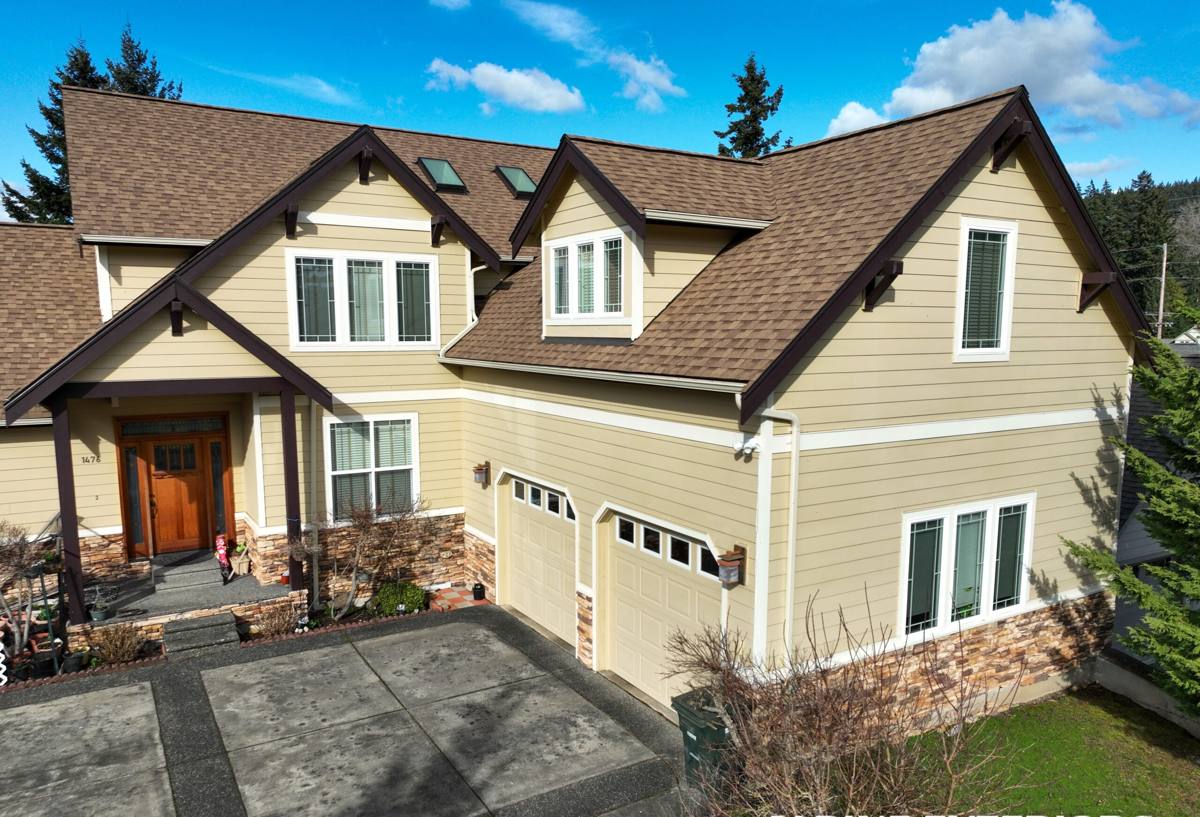
South Hill sits up above downtown Bellingham with open exposure toward Bellingham Bay, which sounds like a nice feature until you think about what it means for the building envelope. Homes up here take wind-driven rain more directly than houses tucked into lower, more sheltered parts of town, and that same elevation and bay proximity means a steady dose of salt-laden air working on metal hardware, fasteners, and finishes year-round. Add in Whatcom County's long wet season — moss doesn't just grow on roofs, it grows in window sills, weep holes, and any spot where water sits instead of draining — and you have a climate that's genuinely tougher on windows than a lot of homeowners assume.
Older windows in South Hill's mix of established homes were often installed decades before today's flashing and moisture standards existed. That's not a knock on the original builders — it's just that window installation practices have changed a lot, and a lot of that change is specifically about handling the kind of weather this part of Washington sees. When we replace a window on South Hill, we're not just swapping glass; we're upgrading how water gets managed around that opening for the next few decades.
Signs It's Time to Replace, Not Repair
Not every problem window needs full replacement. Sometimes a failed seal, a broken sash lock, or worn weatherstripping can be fixed for a fraction of the cost. But there are signs that point to the window itself being past the point of a good repair:
- Fogging or a permanent haze between the panes of double-glazed units — the seal has failed and the gas fill is gone
- Wood frames that are soft, spongy, or dark-stained at the bottom corners or sill
- Windows that won't stay open, won't latch, or have visibly sagged out of square
- Persistent drafts you can feel with a hand near the frame, even after weatherstripping has been replaced
- Visible moss or algae growth inside the track or on the exterior sill that keeps coming back
- Condensation on the interior glass or frame regularly during the wet months
- Paint that keeps failing on the same window no matter how often it's touched up
If you're only seeing one of these on one window, a repair might be the right call and we'll tell you that honestly. If you're seeing several of these across multiple windows, especially on the sides of the house that take the worst of the weather, replacement is usually the more cost-effective path over the next ten years.
What a Correct Window Replacement Job Actually Involves
Removal and Opening Inspection
Once the old window comes out, that opening tells you the real story. We check the sill, the framing, and the sheathing around it for rot, soft wood, or existing water staining before anything new goes in. This is the point where a rushed installer skips ahead and a careful one doesn't — any damage found here needs to be addressed before a new window is set, or you're just sealing a problem behind new trim.
Flashing and Water Management
This is the part that matters most in a climate like ours. Proper flashing directs any water that gets past the exterior cladding back out, rather than letting it pool at the sill or work its way into the wall cavity. Sill pan flashing, properly lapped house wrap, and correctly sequenced flashing tape around the rough opening are non-negotiable on our jobs — this is exactly the kind of detail that determines whether a window lasts 25 years or starts failing in five, especially on a house catching driving rain off the bay.
Insulation and Air Sealing
Gaps between the window frame and the rough opening get filled with the right material — usually a low-expansion foam or backer rod and sealant, not packed fiberglass that leaves air paths. Done right, this cuts drafts and helps the window perform closer to its rated efficiency instead of losing that performance to a poorly sealed gap.
Trim, Finish, and Final Adjustment
Interior and exterior trim gets reinstalled or replaced, caulked at the right joints (and left open where it needs to breathe), and the sash is adjusted so it operates smoothly and locks tight. We walk every window before we call the job done — checking operation, checking the seal, checking that nothing was missed.
Choosing the Right Window for This Climate
There's no single "best" window for every house — it depends on your home's age, exposure, and budget. But some material and glass choices hold up better than others against salt air and constant moisture.
| Frame Material | How It Handles This Climate | Maintenance |
|---|---|---|
| Vinyl | Doesn't rot or corrode; performs well against moisture and salt air | Low — occasional cleaning |
| Fiberglass | Very stable in wet, temperature-swinging conditions; strong long-term option | Low |
| Wood (clad exterior) | Good insulation value; the exterior cladding needs to be intact to keep moisture out of the wood core | Moderate — watch cladding seams and interior wood finish |
| Aluminum | Prone to corrosion in salt-influenced air unless it has a quality marine-grade finish; also a weaker thermal performer | Higher — finish and hardware need monitoring |
For most South Hill homes, we steer clients toward vinyl or fiberglass for the exterior-facing sides that take the worst weather, simply because they hold up with the least maintenance. Where a homeowner wants the look of real wood on the interior, a clad wood window can still be the right call — we just make sure the exposed sides are well protected. We'll talk through what fits your house and your budget rather than pushing one product line.
Glass Options Worth Understanding
Low-E glass coatings and argon or krypton gas fills between panes both improve a window's insulating value, and both are standard on quality replacement windows today. In a climate with as many gray, cool months as ours, that insulating performance shows up in comfort near the window and, over time, in your heating costs. Double-pane is the baseline; triple-pane adds further performance but at a higher cost and more weight per unit, which matters for larger openings. We'll help you weigh whether the upgrade pencils out for your specific windows rather than upselling it across the board.
Our Process, Start to Finish
The process is straightforward, and we keep it that way on purpose:
- Free on-site estimate — we measure, inspect existing openings, and talk through your priorities and budget
- Written proposal with clear pricing and product options, no pressure to decide on the spot
- Scheduling that accounts for weather — we plan installs around forecasted dry windows where possible, since exposed openings need to close up quickly
- Removal, inspection, and any necessary repair of the opening before the new window goes in
- Installation with proper flashing, insulation, and sealing at every unit
- Final walkthrough — we check operation and finish with you before we consider the job complete
Most single-window replacements are a same-day job. Whole-house projects are scheduled to minimize how long any opening sits uncovered, which matters more here than in drier climates.
What Affects the Cost
We don't publish flat per-window pricing because it genuinely depends on the specifics of your house, but these are the main factors that move the number:
| Factor | Why It Matters |
|---|---|
| Window size and style | Larger openings and operable styles (casement, sliding) cost more than fixed units of the same size |
| Frame material | Vinyl is typically the most budget-friendly; fiberglass and clad wood cost more upfront |
| Condition of the existing opening | Rot or framing damage found during removal adds repair work before the new window can go in |
| Number of windows | Whole-house projects generally bring a better per-unit price than single replacements |
| Trim and finish work | Matching existing trim profiles or repainting affected areas adds labor |
We give straight numbers in the estimate — if we find something unexpected once we open up a wall, we tell you before we do the work, not after.
Why It Matters to Hire a Crew That Already Works This Neighborhood
A crew that regularly works South Hill has already seen what this specific mix of elevation, wind exposure, and Whatcom County rainfall does to window installations over time — which details are worth extra care and which shortcuts show up as callbacks two winters later. That's not a substitute for good installation practices everywhere, but it does mean fewer surprises: we know to expect more moisture at certain wall orientations, we know moss and algae are a real maintenance factor here, and we build for it rather than treating this like a generic install. Local also means we're a short drive away if something needs a look after the job's done, not a company you have to chase down.
Keeping New Windows Performing in Whatcom County's Climate
A well-installed window is largely maintenance-free, but a few habits go a long way here: keep weep holes and tracks clear of debris and moss buildup, especially heading into the wet months; rinse exterior frames periodically if your home is close enough to the bay to catch salt spray; and check caulking at the trim lines once a year for any cracking or separation. Catching a small caulk failure early is a five-minute fix — left alone through a wet winter, it can let moisture behind the trim.
If your South Hill home has windows showing any of the wear signs above, or you're just ready to stop fighting drafts and fogged glass, we're happy to come take a look. The estimate is free, there's no pressure, and you'll get straight answers about what your windows actually need — repair or replacement — before you spend a dollar.