 Bellingham
 Why Windows in York Take a Different Kind of Beating
York is one of Bellingham's older, closer-in neighborhoods, and that means a lot of the housing stock still has its original windows or a mismatched round of replacements from decades past. Add in the local climate and you've got a recipe for windows that fail faster than they should. Whatcom County sits right on Bellingham Bay, so homes here deal with salt-laden air that slowly breaks down metal hardware, fasteners, and unprotected wood. Layer on driving rain that comes in sideways during winter storms, and a moss season that can stretch from October through May, and you understand why a window that would last two decades somewhere drier might only give you twelve or thirteen good years here.
None of that is a reason to panic about your windows. It is a reason to be specific about what "energy-efficient" needs to mean for a York home, rather than installing whatever's cheapest and hoping it holds up the same way it would in a milder climate.
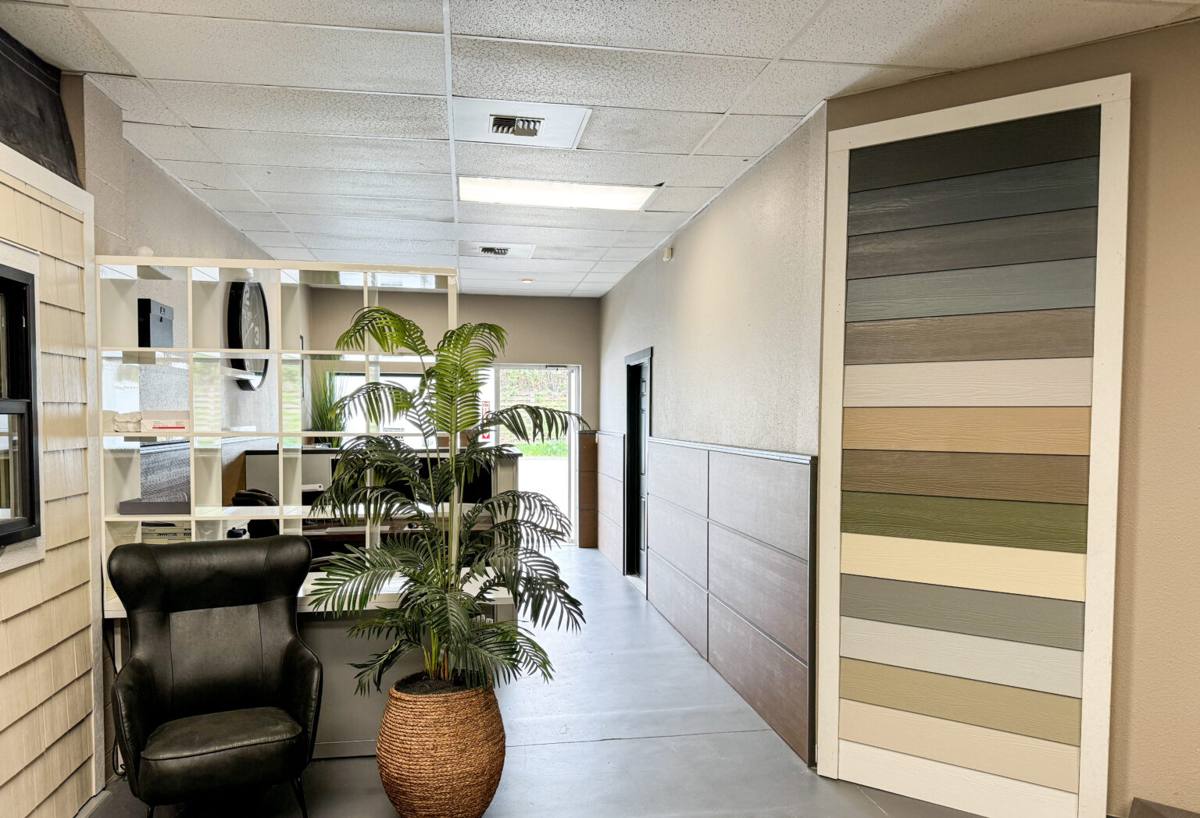
What Energy-Efficient Actually Means Here
"Energy-efficient" gets used loosely in this industry, so it's worth being precise. Three numbers do most of the work:
- U-factor — how well the window resists heat loss. Lower is better. This matters more here than in a hot climate, since Bellingham's heating season is long and mild-but-persistent.
- SHGC (Solar Heat Gain Coefficient) — how much solar heat passes through the glass. Given our overcast winters, we don't need aggressive solar rejection the way a south-facing desert home would, but it still affects comfort near west-facing glass in summer.
- Air leakage rating — how tight the window seals. This is where a lot of older York windows fail outright, letting in cold drafts and moisture-laden air.
Every legitimate replacement window carries an NFRC label showing these numbers. If a quote doesn't reference them, that's worth asking about directly.
Frame Material Trade-Offs for a Marine Climate
Frame material matters as much as the glass package when salt air and moisture are part of the equation. Here's how the common options actually perform in a York-type setting:
| Frame Material | How It Holds Up Locally | Maintenance |
|---|---|---|
| Vinyl | Doesn't corrode from salt air; handles moisture well; can look plasticky on older architectural styles | Low — occasional cleaning |
| Fiberglass | Very stable in temperature swings and coastal humidity; strong seal retention over time | Low — repaint optional, not required |
| Wood / wood-clad | Best fit for period homes but the exposed wood needs real upkeep against driving rain and rot | Moderate to high — periodic sealing/painting |
| Aluminum | Prone to corrosion and condensation in salt air; poor thermal performance unless thermally broken | Moderate — watch for pitting and hardware corrosion |
We don't push one material on every job — a craftsman-era York home often calls for a wood-clad or wood-look option to keep its character, while a rear addition or a less visible elevation is a good candidate for vinyl or fiberglass where performance matters more than matching original trim.
Problems We Commonly Find in York Homes
When we inspect older windows in this neighborhood, the same handful of issues show up again and again:
- Condensation between panes on old dual-pane units — a sign the seal has failed and the insulating gas is gone.
- Soft or discolored wood at the sill and lower corners, from years of wind-driven rain finding its way past aging caulk.
- Moss and mildew staining on north- and west-facing frames that stay damp longer through our wet season.
- Corroded hardware — locks, hinges, balances — from long-term exposure to salt-tinged air, even a few miles inland from the bay.
- Drafts around the frame that trace back to missing or compressed weatherstripping rather than the glass itself.
It's worth noting: sometimes the glass unit is fine and the real problem is a bad original installation — poor flashing or a gap in the moisture barrier — which brings us to what a correct job actually involves.
What a Correct Installation Involves
Most window failures we're called out to fix aren't a bad window — they're a window that wasn't flashed or sealed correctly the first time. In a climate that throws driving rain at a wall for days at a stretch, the installation detailing matters as much as the product itself.
Installation Checklist We Follow
- Remove old unit and inspect the rough opening for hidden rot or moisture damage before anything new goes in
- Repair or replace any compromised sheathing or framing found behind the old window
- Install sill pan flashing so any water that does get past the window drains back out, not into the wall
- Integrate new flashing with the existing house wrap or weather-resistant barrier, shingle-style, so water sheds downward and outward
- Set the window level, plumb, and square, then shim correctly to avoid stress on the frame
- Seal and insulate the gap between the window frame and rough opening — not overpacked, not left empty
- Apply exterior sealant at the correct joints only, leaving the designed drainage path clear
- Test operation and check the seal before calling the job complete
Skip the flashing step or seal the wrong joint, and you can end up with a brand-new, high-performance window that still leaks — the failure just shows up a season or two later, hidden inside the wall.
How We Approach a York Job
The process is straightforward, and we keep it that way on purpose:
- Walkthrough and assessment — we look at each window's condition, exposure, and how it fits the home, not just take measurements.
- Straight-forward proposal — frame material, glass package, and pricing explained in plain terms, no pressure to upgrade beyond what the house actually needs.
- Scheduling around the weather — we plan install days to minimize how long an opening sits exposed, which matters more here than in a dry climate.
- Install with full flashing and sealing detail — the checklist above, every time, not just on the windows that are visible from the street.
- Walkthrough and cleanup — we confirm operation, check seals, and leave the site clean.
Matching the Window to the Wall It's Going In
Not every window on a York home needs the same spec. Exposure changes what matters most:
- West and southwest-facing walls catch the most wind-driven rain in winter storms — these are where flashing detail and air-leakage rating matter most.
- North-facing walls stay shaded and damp longer, which is where moss and mildew take hold fastest — a smoother, less porous frame finish helps here.
- South-facing glass gets more direct sun on clear days, so SHGC becomes more relevant for comfort, even in a generally overcast climate.
- Sheltered or covered openings (under an eave or porch roof) see less weather stress and have more flexibility on frame material for matching original trim.
What Drives the Cost
Pricing depends on more than the number of windows. The factors that actually move a quote up or down:
| Factor | Why It Matters |
|---|---|
| Frame material | Wood-clad and fiberglass generally cost more upfront than vinyl but can mean less long-term upkeep |
| Glass package | Double vs. triple pane, and Low-E coating options, affect both price and performance |
| Rot or structural repair needed | Hidden damage found once the old window is out adds labor and material |
| Access and second-story work | Staging or lift access adds cost compared to ground-level windows |
| Number and size of openings | Larger and more custom-sized openings cost more per unit than standard sizes |
| Trim and finish work | Matching existing interior/exterior trim on an older home takes more time than a simple swap |
We'd rather walk a homeowner through these factors on-site than quote a flat per-window number that doesn't reflect what their house actually needs.
Why It Helps to Hire a Crew That Already Works in York
A crew that's replaced windows across York and the rest of Bellingham knows which walls take the worst of the driving rain, which original window styles show up most in this part of town, and how the moss and moisture patterns here differ from a house a few miles inland. That translates into fewer surprises during install — we're not guessing at how the local climate treats a given frame material or flashing detail, we've already seen it play out. It also means faster response if a warranty question comes up down the road, since we're not driving in from across the county.
If your windows are drafty, fogged, or just past their best years, we're happy to take a look and put together a free, no-pressure estimate — no obligation, and no upsell beyond what your home actually needs. Use the form below to get started.