 Bellingham
 Storm Damage Roof Repair in York
York is one of Bellingham's older, established neighborhoods, and that means a lot of roofs here have already been through a few decades of Pacific Northwest weather. When a windstorm rolls off Bellingham Bay or a heavy winter system parks over Whatcom County for a few days straight, those roofs take the hit first. Storm damage repair isn't the same job as routine maintenance — it means finding what a specific weather event actually broke, loosened, or let water into, and fixing that correctly before it turns into a bigger problem inside the attic or walls.
This page covers what storm damage repair looks like for York homes specifically: what our climate does to roofs here, what a thorough repair actually involves, and what to expect if you call us after a storm.
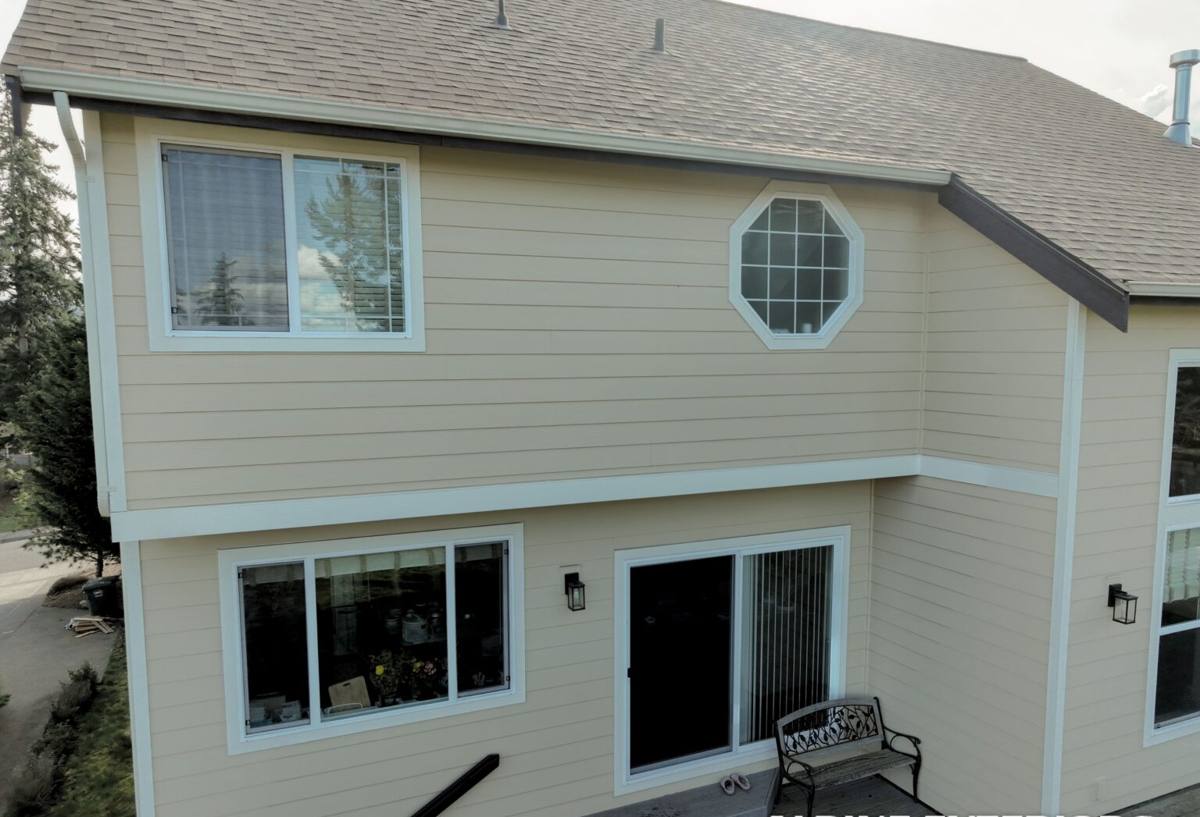
How Local Storms Actually Damage a Roof
Whatcom County doesn't usually get the kind of catastrophic hail or tornado damage you see in other parts of the country. Our roof damage is quieter and more cumulative, which is part of why it gets missed.
Wind-Driven Rain
Storms coming off the water tend to bring rain sideways, not straight down. That matters because a roof system built to shed water vertically can still leak when rain is being driven up and under shingle tabs, around flashing edges, or through vent boots that have started to crack. A single storm rarely causes this on its own — wind-driven rain usually finds a weak point that was already there and pushes water through it.
Salt Air and Corrosion
Being close to Bellingham Bay means metal roofing components — flashing, fasteners, gutter hardware, vent caps — are exposed to salt-laden air more than homes further inland. Over years, that accelerates corrosion on lower-grade or unprotected metal, which is exactly the kind of small failure a storm exploits.
Moss and Trapped Moisture
Whatcom County's moss season runs long — mild, wet conditions for much of the year give moss and algae plenty of time to establish on north-facing slopes and shaded sections of roof. Moss holds moisture against shingles and roots into the granule surface, which weakens the material well before it looks obviously damaged. A storm then does more harm to a moss-covered roof than it would to a clean one, because the shingles underneath are already compromised.
Wind Uplift on Mature Tree Lots
Many streets in York have mature tree canopy, which is a mixed blessing during storms. Trees break some wind, but they also drop limbs and debris, and gusts funneling around large trees can create localized uplift on nearby roof edges and ridges — often the first place shingles lift or crack.
Signs Your York Home May Have Storm Damage
Most storm damage isn't dramatic. It shows up as small signs that are easy to write off until they've been letting water in for a season.
- Shingles that look lifted, curled, or slightly out of line compared to the rest of the roof
- Granules collecting in gutters or at the base of downspouts after a storm
- Soft or discolored spots on ceilings, especially near exterior walls or chimneys
- Flashing around chimneys, skylights, or roof-wall junctions that looks bent, lifted, or separated
- New moss growth concentrated in one area, which can mean water is sitting there longer than it should
- Debris, moss clumps, or granules built up in valleys where two roof planes meet
- A musty smell in the attic or top-floor closets after a wet week
- Daylight visible through the roof deck when viewed from inside the attic
If you notice any of these after a storm, it's worth getting a look before the next round of rain — not because every issue is an emergency, but because small entry points get worse fast in our climate.
What a Correct Storm Damage Repair Involves
A repair that only patches what's visible from the ground often misses the actual entry point. Here's what a thorough job covers.
1. Full Inspection, Not a Drive-By
We get on the roof (weather permitting) and check the deck, flashing, underlayment where accessible, and the attic side of the roof — not just the shingles you can see from the street. Storm damage often starts at flashing seams or vent penetrations, not the open field of the roof.
2. Matching the Repair to the Existing Roof
Shingles, underlayment, and flashing all need to be compatible with what's already on the roof — mismatched materials or incompatible fasteners can create new leak points instead of solving the old one. If your roof is older, we'll tell you honestly whether the surrounding shingles are brittle enough that a patch repair risks cracking more material during the work.
3. Addressing the Cause, Not Just the Symptom
If moss caused the underlying weakness, we'll talk about moss treatment and airflow, not just replace the damaged shingles and leave the same conditions in place. If it's a flashing failure, we replace the flashing correctly rather than caulking over it — caulk is a short-term patch, not a repair.
4. Sealing and Weatherproofing Details
Vent boots, step flashing, and valley metal all get checked and resealed with materials rated for our wet climate, not generic caulk that will fail again in a season or two.
Repair vs. Replace: How We Help You Decide
Not every storm-damaged roof needs full replacement, but sometimes a repair is a temporary fix that costs more in the long run. We walk through it honestly rather than defaulting to the bigger job.
| Factor | Repair Usually Makes Sense | Replacement Is Worth Considering |
|---|---|---|
| Roof age | Under 12–15 years, isolated damage | Nearing or past expected shingle lifespan |
| Extent of damage | Localized — one slope, one flashing area | Multiple areas, or damage found in more than one storm |
| Underlying material condition | Shingles still flexible, granules intact nearby | Widespread brittleness, granule loss, or moss damage |
| Deck condition | Deck is solid where checked | Soft spots, rot, or repeated leak staining in the attic |
| Insurance involvement | Minor, out-of-pocket repair | Claim-eligible event with adjuster involved |
We'll give you a straight answer based on what we actually find on your roof — not a sales pitch toward the more expensive option.
Our Process From Call to Completion
- Call or request an estimate. Tell us what you noticed and when the storm happened — that timeline helps us know what to look for.
- On-site inspection. We assess the roof, attic access where possible, and document what we find, including photos for your records.
- Written estimate. You get a clear scope of work and price before anything starts — no vague "we'll figure it out" pricing.
- Repair work. Most storm repairs are completed in a single day, weather permitting; larger scopes are scheduled around dry windows.
- Final walkthrough. We show you what was done and flag anything else worth keeping an eye on.
Storm Damage and Insurance Claims
If your damage may be covered by insurance, we can document conditions and provide photos and a written scope that your adjuster can review. We're not a public adjuster and we won't promise a claim outcome — that's between you and your insurer — but we'll make sure the roof-side documentation is thorough and accurate, which matters more than people expect during a claim review.
For repairs that are more maintenance than storm-caused — moss buildup, general wear — insurance typically won't apply, and we'll tell you that upfront rather than encouraging a claim that isn't likely to be approved.
Why Hiring a Crew That Already Works York Matters
Storm response work rewards contractors who already know the area. A crew unfamiliar with York's mix of older roof lines, mature tree cover, and how wind moves off the bay through this part of Bellingham is more likely to miss where water is actually getting in. Local crews also aren't stretched thin chasing storm work across multiple counties — after a regional storm, out-of-area roofers sometimes take on more jobs than they can properly service, leaving homeowners with rushed patches. We live and work in this county, which means we're accountable to the same neighbors and the same weather next season, not just for the one repair.
Preventing Repeat Storm Damage
A good repair should reduce your risk next storm season, not just fix this one. A few things we typically recommend for York homes:
- Keep gutters and valleys clear of moss and debris, especially before fall storm season
- Address moss growth early rather than letting it establish across a full slope
- Trim tree limbs that overhang the roofline where it's safe and practical to do so
- Have flashing and vent boots checked every few years, not just after visible leaks appear
- Keep a simple record of past repairs so any future contractor knows what's already been addressed
None of this eliminates storm risk in a region that gets this much wind-driven rain, but it narrows the number of weak points a storm can find.
If a recent storm has you wondering whether your York-area roof took damage, we're glad to take a look. Reach out using the form below for a free, no-pressure estimate — we'll tell you honestly what we find, whether that's a quick repair or something more involved.