 Bellingham
 Window Installation Built for York's Climate, Not Just Any Climate
York is one of Bellingham's older, closer-in neighborhoods, and homes here face a specific mix of weather that doesn't show up the same way in a lot of other markets: salt-laden air off Bellingham Bay, wind-driven rain that comes in sideways during fall and winter storms, and a moss season that can stretch across most of the year in Whatcom County's damp, mild climate. Window installation in this kind of environment isn't just about picking a window and setting it in the opening. It's about how that window is flashed, sealed, and integrated with the rest of the wall assembly so it keeps performing after five winters, not just after the first one.
We install windows across Bellingham, but we specifically know what York's housing stock tends to look like and how it tends to fail: aging sealant beads, frames that have absorbed years of moisture cycling, and trim that's held up moss and algae longer than it should have. A window installer who only thinks about the window itself, and not the opening it sits in, is setting a homeowner up for a callback in a few years.
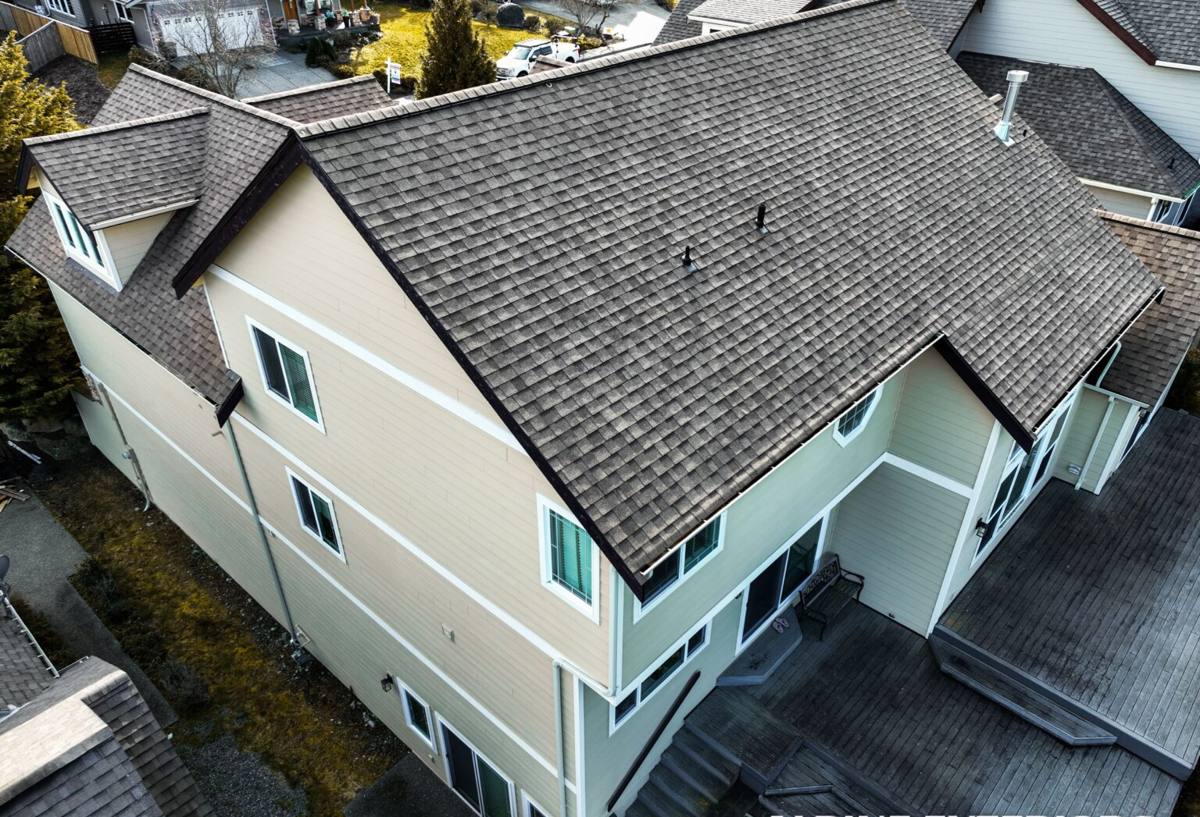
What Coastal Moisture Does to Windows Over Time
Salt air accelerates corrosion on hardware, fasteners, and lower-grade metal components. Combined with near-constant humidity and long stretches of rain, it also keeps wood trim and sill areas wet for longer than they'd stay wet inland. That extended moisture exposure is what drives rot, not a single storm. It's the cumulative effect of a wet fall, a wet winter, and a wet spring, year after year.
Moss and algae growth adds another layer to the problem. Once organic growth establishes itself on siding, trim, or window sills, it holds moisture against the surface even longer, which speeds up decay in wood components and can stain or degrade sealants. A lot of the "why does my window leak" calls we get in older Bellingham neighborhoods trace back to this exact chain: moisture held in place by growth, working its way past aging caulk, into framing that was never fully dried out to begin with.
Why This Matters More in York Specifically
Many homes in established Bellingham neighborhoods like York were built well before today's window flashing and moisture-barrier standards existed. That's not a knock on the original builders — it's just a reflection of how residential construction practices have changed. When we replace a window in a home like this, we're often correcting decades-old assumptions about how water should be managed at that opening, not just swapping old glass for new glass.
What a Correct Window Installation Actually Involves
A window installation is only as good as the parts nobody sees once the trim goes back on. Here's what we consider non-negotiable on every job, especially in a climate like ours.
Flashing and Water Management
Every opening needs a properly lapped flashing system — sill pan, side flashing, and head flashing — installed so that any water that gets past the window itself is directed back out, not into the wall cavity. This is the single most important part of the job for long-term performance, and it's also the part that's easiest to rush or skip entirely.
Sealing and Insulation
Low-expansion foam or backer rod and sealant around the perimeter closes air gaps without bowing the frame out of square. Exterior sealant beads need to be continuous, compatible with the surrounding siding material, and applied to a clean, dry surface — not just tooled over old, failed caulk.
Material Selection for Coastal Exposure
Hardware, fasteners, and frame materials should be rated for coastal or high-moisture exposure. This is a small line-item difference in most quotes, but it's the difference between hardware that's still working smoothly in ten years and hardware that's seized or corroding in three.
Signs a York Home May Need Window Replacement or Repair
Not every window problem means full replacement, but these are the signals worth having a professional look at before they turn into bigger repairs:
- Visible condensation or fogging between the panes of a double- or triple-pane window (a sign the seal has failed)
- Soft, spongy, or discolored wood at the sill or lower corners of the frame
- Persistent drafts even with the window fully latched
- Difficulty opening, closing, or locking a window that used to operate smoothly
- Visible moss, algae, or dark staining building up on the exterior trim or sill
- Paint that's peeling or bubbling specifically around the window opening, rather than the whole wall
- Noticeably higher heating bills without another clear cause
Comparing Window Frame Materials for Bellingham's Climate
Frame material matters more here than it does in drier climates, because it directly affects how the window handles years of damp exposure and temperature swings. Here's how the common options stack up for a coastal Whatcom County home:
| Material | Moisture Behavior | Maintenance | Typical Fit for York Homes |
|---|---|---|---|
| Vinyl | Won't rot, but can warp with extreme temperature swings | Low — occasional cleaning | Good value option for most replacement projects |
| Fiberglass | Very stable in moisture and temperature, minimal expansion/contraction | Low | Strong long-term option, especially on exposed or south/west-facing walls |
| Wood (unclad) | Prone to moisture absorption without diligent upkeep | High — regular painting/sealing required | Best reserved for homes prioritizing historic appearance, with a clear maintenance plan |
| Aluminum-clad wood | Good exterior protection, but cladding seams need careful detailing | Moderate | Works well when appearance and durability both matter |
We don't push one material on every home. The right call depends on the wall's sun and rain exposure, the home's existing trim style, and how much upkeep the homeowner actually wants to take on. Where we do draw a line is on installation quality — flashing, sealing, and hardware grade shouldn't be treated as optional on any of these materials, regardless of price point.
What Drives the Cost of a Window Installation
Every quote is specific to the home, but these are the main factors that move the price up or down on a typical York-area project:
| Factor | Why It Matters |
|---|---|
| Number and size of windows | More openings and larger units mean more material and labor time |
| Frame material | Vinyl, fiberglass, and clad-wood options carry different material costs |
| Existing rot or framing damage | Hidden rot found once trim is removed adds repair time before the new window goes in |
| Access and window height | Second-story or hard-to-reach windows require more setup and time |
| Trim and exterior finish work | Matching existing trim profiles, especially on older character homes, takes more care |
| New construction vs. retrofit | Full-frame replacements involve more work than insert replacements into a sound existing frame |
We won't know which of these apply to your home until we've actually looked at it, which is why we walk every job in person before giving a number.
Our Window Installation Process
- On-site assessment. We inspect the existing windows, frames, and surrounding trim for hidden moisture or rot before quoting anything.
- Honest scope and estimate. You get a clear breakdown of what's needed — replacement windows, frame repair if required, and the materials we recommend and why.
- Removal and opening prep. Old windows come out carefully, and we address any rot or damaged framing found underneath before anything new goes in.
- Flashing and moisture barrier installation. This step happens every time, on every window, regardless of how minor the job looks from the outside.
- Window setting and sealing. The unit is set level and plumb, insulated properly, and sealed with materials rated for our climate.
- Trim and finish work. Interior and exterior trim is reinstalled or replaced to match the home's existing look as closely as possible.
- Final walkthrough. We check operation, seals, and finish work with you before calling the job done.
Working With Older and Character Homes in York
Like many of Bellingham's established neighborhoods, York has a mix of older character homes alongside newer construction and remodels. Older homes often have framing that's slightly out of square after decades of settling, trim profiles that aren't available off the shelf anymore, and wall assemblies that predate modern moisture-barrier products entirely. None of that is a problem for an installer who knows what to look for — it just means the job takes a bit more care at the framing and trim stage than a straightforward new-construction install would.
We treat retrofit work in older homes as its own category, not a shortcut version of a new-build install. That means more time spent checking the opening before the new window goes in, and more attention to matching trim details so the finished look fits the house instead of standing out as an obvious patch.
Why Local Experience in York and Bellingham Actually Matters
A crew that works across Whatcom County regularly knows what a York-area window opening is likely to look like before we even pull the old trim off — what kind of moisture damage tends to show up, how the local building department handles permitting for window replacement, and which materials hold up against our specific combination of salt air, sustained rain, and moss growth. That's not something you can pick up from a manufacturer's install manual. It comes from doing the work in this climate, on homes like the ones in this neighborhood, repeatedly.
It also means fewer surprises mid-project. When we open up a wall and find something unexpected, we've usually seen a version of it before on another Bellingham home, and we can tell you plainly what it means for the timeline and the cost instead of guessing.
Get a Straightforward Estimate
If your windows in York are drafty, fogged, hard to operate, or just showing their age, we're happy to take a look and give you an honest read on what's actually needed — no pressure, no upsell on things your home doesn't need. Fill out the form below to schedule a free estimate.