 Bellingham
 Board & Batten in Cordata: A Look That Fits the Neighborhood
Board and batten has become one of the most requested siding profiles in Cordata, and it's easy to see why. The vertical lines read as clean and modern on newer builds, but the same profile also suits the farmhouse and craftsman-influenced homes that are common throughout north Bellingham. It's a versatile look — homeowners use it as a full exterior, or mix it with horizontal lap siding as an accent on gables, dormers, or a front entry to break up a flat facade.
What doesn't change from house to house is the climate the siding has to survive. Cordata sits in the same Whatcom County weather pattern as the rest of Bellingham: salt-laden air moving in off the water, driving rain that hits walls sideways during winter storms, and a long, damp moss season that can run from fall through spring. Board and batten is a great-looking profile, but it's also a vertical siding system with more seams and more exposed joints than standard lap siding — which means it has to be installed with that climate in mind, not just installed to look right on move-in day.
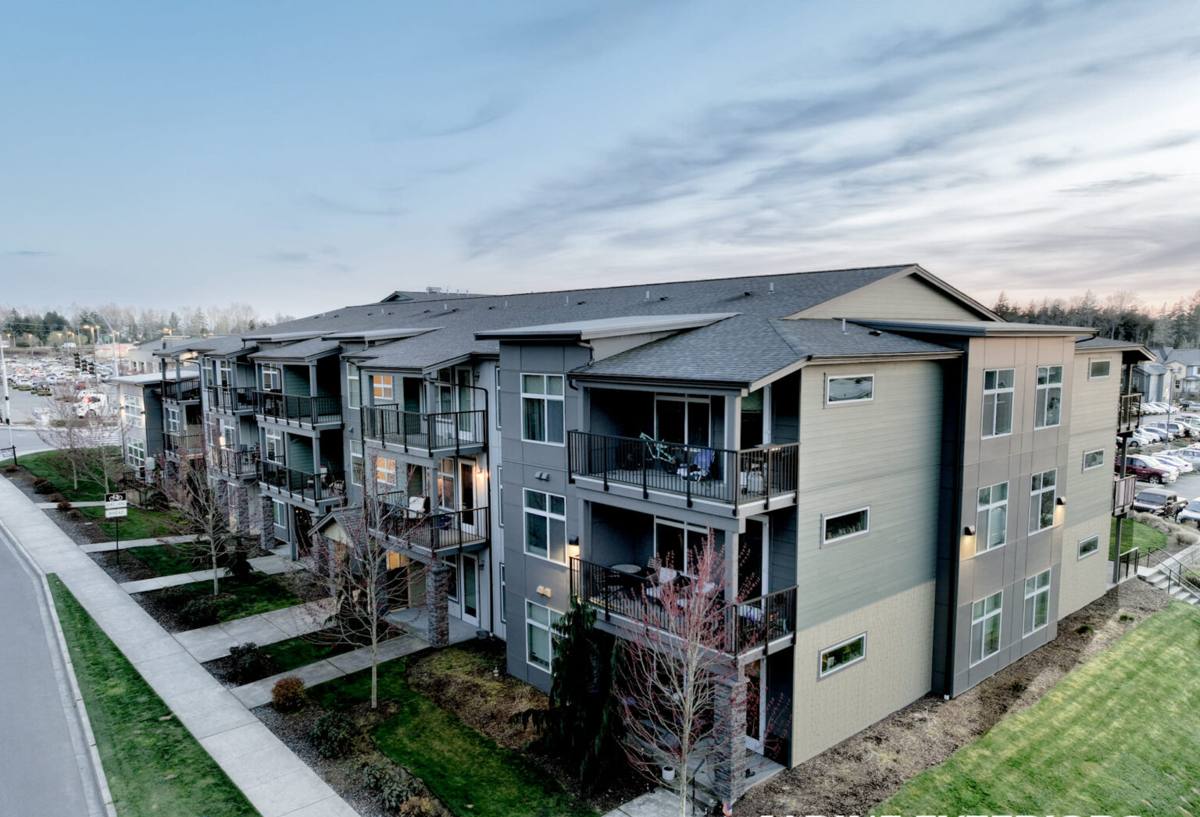
What Cordata's Climate Does to Vertical Siding
Three things define how siding ages here, and all three affect board and batten more than they affect horizontal lap:
- Salt air: Moisture carried inland off the water accelerates corrosion on fasteners, flashing, and any metal trim components. On board and batten, the vertical battens create dozens of extra fastener points compared to a lap profile, so fastener quality and placement matter more here, not less.
- Driving rain: Bellingham's winter storms don't just fall — wind pushes rain sideways into walls. Vertical joints on board and batten, if not detailed correctly, give wind-driven rain a more direct path behind the cladding than horizontal laps do, which shed water downward by design.
- Moss season: Shaded, north-facing, or tree-covered walls in Cordata stay damp for months at a time. Moss and algae growth thrive in the mineral texture of some siding materials and take hold fastest wherever water sits instead of draining.
None of this means board and batten is the wrong choice for a Cordata home. It means the installation has to account for how water moves on a vertical profile, in a climate that gives water plenty of chances to get in.
Where Board & Batten Installations Go Wrong
Most of the board and batten failures we get called out to inspect trace back to a handful of installation shortcuts, not to the material itself:
- Battens face-nailed directly over the panel joint without a proper gap or sealant behind the seam, trapping moisture instead of shedding it.
- No rainscreen or drainage gap behind the panels, so any water that does get past the batten joint has nowhere to go and sits against the wall sheathing.
- Flashing skipped or undersized at window heads, corners, and the base of the wall, where board and batten depends on metal detailing even more than lap siding does.
- Fasteners driven at the wrong depth or spacing, which on a vertical batten shows up as visible ridging or, worse, a loose board within a few winters.
- Caulk used as the primary water seal instead of correct flashing and lap sequencing — caulk fails long before the siding does, and in this climate that failure happens fast.
Every one of these is avoidable. They show up on jobs where the installer treated board and batten like a cosmetic upgrade instead of a water-management system.
What a Correct Board & Batten Installation Involves
A board and batten job done to spec in a climate like ours includes several steps that aren't optional, even if they add time to the install:
The Build-Up Behind the Siding
Correct installation starts with a weather-resistant barrier over the sheathing, then furring strips or a purpose-built rainscreen product to create a drainage gap behind the panels. That gap is what lets any moisture that gets past the outer siding drain and dry out instead of sitting against the wall — it's the single biggest factor in how a vertical siding system performs over 20-plus years in a wet climate.
Panel and Batten Layout
Panel joints get planned before the first piece goes up — layout should avoid random joint placement and keep seams away from high-exposure areas where possible. Battens are set to a consistent spacing and fastened per the manufacturer's schedule, not just "close enough."
Flashing and Trim Details
Every window, door, corner, and the base of the wall gets flashed with metal or manufacturer-approved flashing tape before the siding closes it in. Trim details matter as much as the field siding — a beautiful board and batten wall with a poorly flashed window head will fail at that window first.
Fastening
Corrosion-resistant fasteners, driven to the correct depth, at the spacing the manufacturer specifies. This is where salt air punishes shortcuts — the wrong fastener corrodes from the inside out, long before the visible siding shows any wear.
A short checklist worth keeping if you're vetting bids for a board and batten project in Cordata:
- Does the bid include a rainscreen or furring gap behind the panels, or just siding over the existing wall?
- Is flashing at windows, corners, and the base of the wall itemized, or lumped into "trim work"?
- What fastener type is specified, and is it rated for coastal/salt-air exposure?
- Does the crew have photos or references from other vertical siding jobs, not just lap siding?
- Is the manufacturer's installation instructions referenced in the contract, or is it left to "standard practice"?
Why We Install Only James Hardie for Board & Batten
Board and batten can be built from several materials — engineered wood, vinyl, primed spruce boards, or fiber cement. We install James Hardie fiber cement exclusively, and on a vertical profile in a wet, salt-air climate the reasons matter even more than they do on a standard lap job.
| Factor | Why It Matters on Vertical Siding in This Climate |
|---|---|
| Moisture stability | Fiber cement doesn't swell, warp, or delaminate at the joints the way wood-based products can when moisture sits behind battens through a long moss season. |
| Factory finish (ColorPlus) | Battens and panels get a baked-on factory finish, so field-cut edges and joints hold color and resist the fading and touch-up patchwork that shows up fast on job-site-painted materials. |
| Non-combustible | Fiber cement doesn't burn, which matters regardless of siding profile but is a genuine advantage over wood-based board and batten systems. |
| Product engineering | James Hardie's HZ5 product line is engineered for Pacific Northwest moisture exposure specifically, not adapted from a general-purpose product. |
| Warranty structure | A transferable, manufacturer-backed warranty on both the panel and the factory finish — most alternatives warranty the substrate and the paint separately, if at all. |
We're not going to tell you a vertical wood or vinyl board and batten wall can't be built — it can, and plenty of contractors will build it. We've simply set our standard at what holds up over decades in a Whatcom County climate with minimal maintenance, and for us that's James Hardie fiber cement, installed to spec.
Our Process, Start to Finish
The process for a Cordata board and batten job follows the same sequence every time, because skipping steps is where the failures above come from:
- On-site assessment: We look at wall orientation, shade, drainage, and existing moisture damage before quoting anything — a north-facing wall under trees gets treated differently than a south wall in the open.
- Removal and inspection: Old siding comes off and the sheathing gets inspected for rot or moisture damage before anything new goes up. Problems found here get fixed, not covered.
- Weather barrier and rainscreen install: The drainage gap goes in per manufacturer spec, every time — not as an upgrade option.
- Flashing: Windows, doors, corners, and the wall base get flashed before the siding closes them in.
- Panel and batten installation: Hardie panels and battens go up to the fastening schedule, with layout planned to keep joints out of high-exposure zones.
- Final inspection and walkthrough: We check fastener lines, joint sealant, and trim details before calling the job finished, and walk the property with the homeowner.
Cost Factors on a Board & Batten Project
Board and batten typically costs somewhat more than a straight lap-siding install of the same square footage, mostly because of the added battens, layout planning, and — done correctly — the rainscreen assembly behind it. Exact numbers depend on the job, but the main cost drivers are usually the same across Cordata projects:
| Factor | How It Affects Cost |
|---|---|
| Tear-off of existing siding | Removing old siding and repairing any hidden sheathing damage adds labor before the new install even starts. |
| Wall height and accessibility | Two-story walls, steep grades, or limited access around the home increase equipment and labor time. |
| Batten spacing and pattern | Tighter batten spacing or a custom pattern uses more material and more install time than a standard layout. |
| Trim and window count | Every window, corner, and transition needs flashing and trim work — more openings means more detail labor. |
| Full board & batten vs. accent use | A full-exterior application costs more overall than using board and batten as an accent over gables or entry features, though the per-square-foot rate is similar. |
Living With Board & Batten Siding in Whatcom County
Even a correctly installed board and batten wall benefits from a little seasonal attention in this climate. Moss and algae growth on shaded or north-facing walls is mostly cosmetic on fiber cement — it doesn't damage the substrate the way it can on wood-based sidings — but a periodic gentle rinse (never a high-pressure wash aimed directly at joints) keeps it looking sharp. Worth a walk-around once a year:
- Check caulked joints at trim and window transitions for cracking or separation.
- Look for moss buildup concentrating in one area, which can point to a drainage or shading issue worth addressing.
- Confirm gutters and downspouts are directing water away from the wall base, especially near board and batten sections closest to grade.
- Touch-base any deep scratches or gouges in the factory finish to prevent moisture intrusion at bare fiber cement.
Why a Crew That Already Works Cordata Matters
Board and batten rewards experience with the specific building style of a neighborhood. A crew that's worked homes throughout Cordata and the rest of Bellingham already knows how local wall orientations catch wind-driven rain, which walls in this area tend to hold moss longest, and how Whatcom County permitting and inspection expectations apply to a re-side. That local repetition is what turns "board and batten installed correctly on paper" into a wall that's still performing the way it should well into its second decade.
If you're considering board and batten siding for a home in Cordata, we're happy to walk the property, talk through what your walls are dealing with, and put together a straightforward, no-pressure estimate using the form below.