 Bellingham
 Blaine Homes Take a Different Kind of Beating Than Inland Roofs
Blaine sits right on the water at the edge of Whatcom County, and that location shapes how a roof ages here. Salt-laden air off the Strait of Georgia works its way into fastener heads, flashing seams, and exposed metal year-round. Driving rain off the water finds every weak lap and undersized flashing detail. And the long, wet Pacific Northwest fall-through-spring stretch keeps roof surfaces damp long enough for moss and algae to take hold and start lifting shingle edges. None of this means a Blaine roof needs exotic materials — it means the installation details have to be right, every time, because the climate doesn't give a roof room for error.
A new roof installed the same way you'd install one in a dry inland county will look fine for a year or two and then start showing problems exactly where the shortcuts were taken: at valleys, around penetrations, and along the north-facing slopes that never fully dry out.
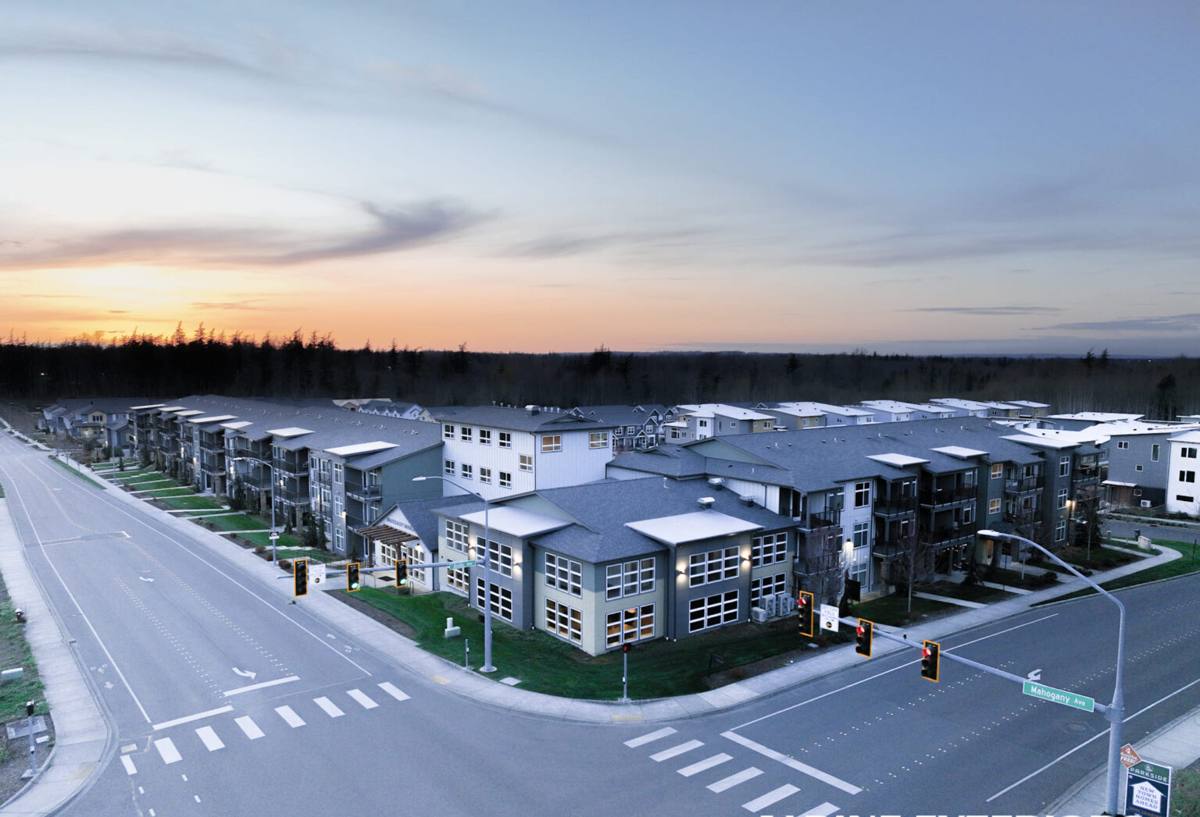
What a Correct New Roof Installation Involves Here
A roof is a system, not a single product. In a marine climate like Blaine's, every layer of that system earns its keep:
Underlayment and Water-Shedding Layers
A synthetic underlayment with good water resistance goes down over the entire deck, with self-adhered ice-and-water membrane at eaves, valleys, and around penetrations — the places where wind-driven rain is most likely to work backward under the roof covering. This isn't optional upgrade material in a town that gets sustained horizontal rain off the water; it's baseline protection.
Flashing Details
Step flashing at walls, apron flashing at roof-to-wall transitions, and properly lapped valley metal matter more here than in drier climates because Blaine roofs stay wet longer after every storm, giving marginal flashing more time to fail. Reused or reworked old flashing is one of the most common causes of a "new roof" leak.
Ventilation
Balanced intake at the soffits and exhaust at the ridge keeps the underside of the deck dry and reduces the moisture that feeds moss and mildew growth. Poor ventilation also shortens shingle life from the inside out, which matters when the outside is already working against the roof.
Fastening for Wind and Weather Exposure
Homes closer to open water and exposed hillsides catch more direct wind than roofs tucked into inland tree cover. Correct nail placement, count, and pattern — matched to the manufacturer's high-wind installation instructions — is what keeps shingles in place through winter storms rather than becoming a warranty argument later.
Choosing a Roofing Material for a Coastal Whatcom County Home
There's no single "best" roofing material for Blaine — the right choice depends on the home, the budget, and how much long-term maintenance an owner wants to take on. Here's how the common options actually compare in this climate:
| Material | Performance in Salt Air / Rain | Moss Resistance | Typical Lifespan Here |
|---|---|---|---|
| Architectural asphalt shingle | Good; modern shingles handle marine air well when properly ventilated | Moderate — benefits from algae-resistant granules and good airflow | 20–30 years with proper install |
| Standing seam metal | Very good when specified with a coastal-grade finish; sheds water fast | High — steep pitch and slick surface discourage moss growth | 40–50+ years |
| Composite / synthetic shake | Good; doesn't absorb moisture like wood | Good, though debris still needs clearing | 30–50 years |
| Cedar shake | Requires more upkeep in constant damp; can hold moisture | Low without regular treatment and cleaning | Varies widely with maintenance |
We steer most Blaine homeowners toward architectural shingle or metal, not because other materials can't work, but because they carry the least ongoing maintenance burden in a climate that stays wet for months at a stretch. Cedar shake can still be the right call for a homeowner who wants that look and is committed to upkeep — we'll walk through the trade-offs honestly rather than push one product.
Moss, Algae, and the Long Wet Season
Whatcom County's wet season runs long, and a north-facing or shaded roof slope in Blaine can stay damp for weeks after a storm system passes through. That's exactly the condition moss needs to establish. A few things make a real difference at install time:
- Algae-resistant shingle granules (most major manufacturers offer this at no major cost premium)
- Zinc or copper strips near the ridge on shaded roofs, which release trace metal ions that inhibit moss growth as rain washes over them
- Correct ridge and soffit ventilation so the deck dries between rain events instead of staying saturated
- Trimming back overhanging branches where possible, since shade and falling debris are the two biggest moss accelerants
None of these steps eliminate the need for periodic roof cleaning, but they buy years between cleanings and reduce the chance that moss works its way under shingle tabs and lifts them.
Our New Roof Installation Process
The process itself isn't unusual — what matters is not skipping steps under time pressure. Here's how a full replacement runs:
- Inspection and scope — we look at the existing roof, decking, ventilation, and any problem areas before quoting anything, so the estimate reflects the actual condition of the home rather than a generic number.
- Tear-off — old roofing is fully removed rather than layered over, which lets us see and address deck problems instead of hiding them.
- Deck inspection and repair — any soft, delaminated, or water-damaged sheathing gets replaced before anything new goes down. This is where hidden moisture damage from years of PNW rain often turns up.
- Underlayment and ice-and-water shield — installed per the details above, with extra attention at valleys, eaves, and penetrations.
- Flashing — new step, apron, and valley flashing installed rather than reused.
- Roofing material installation — shingle, metal, or composite installed to manufacturer spec, including fastening pattern for wind exposure.
- Ventilation tie-in — ridge and soffit vents balanced and connected properly, not just installed as a cosmetic ridge cap.
- Cleanup and magnetic sweep — job site and yard cleared of debris and stray fasteners.
- Walkthrough — we go over the finished roof, warranty paperwork, and basic maintenance expectations before we consider the job done.
Why a Crew That Already Works Blaine Matters
Roofing crews that mostly work inland or in drier parts of the state don't always adjust their default specs for a coastal Whatcom County home. A crew that regularly works Blaine and the surrounding Bellingham area already knows to spec ice-and-water shield generously, favor algae-resistant materials by default, and pay closer attention to wind-exposed slopes near the water. That's not marketing — it's the difference between a roof detailed for the climate it's actually in versus one detailed for wherever the crew normally works.
There's also a practical side: a local crew can respond faster if a storm causes damage before a scheduled tear-off is finished, knows which local suppliers stock coastal-rated flashing and fasteners without a long lead time, and is familiar with the permitting process through the City of Blaine or Whatcom County for a given property.
What a New Roof Typically Costs in Blaine
Every home is different, but the factors that move the price are consistent. This isn't a quote — it's what to expect a contractor to walk through with you:
| Cost Factor | Why It Matters |
|---|---|
| Roof size and pitch | More square footage and steeper pitches mean more material, labor, and safety setup |
| Number of tear-off layers | Removing multiple old layers adds labor and disposal cost |
| Decking condition | Water-damaged sheathing found during tear-off adds material and labor to replace |
| Material choice | Architectural shingle, metal, and composite carry different material and labor costs |
| Access and complexity | Steep sites, tight lots, or multiple roof planes near the water can add setup time |
| Permit and disposal fees | Set by the local jurisdiction and job size |
Most full residential roof replacements in this region run in the broad range of roughly $8,000 to $20,000+ depending on these factors, with metal roofing typically landing higher than architectural shingle for the same footprint. An accurate number only comes from seeing the actual roof.
Signs Your Blaine Home Needs a New Roof, Not a Repair
- Shingles curling, cupping, or losing granules across large sections rather than one isolated spot
- Moss or algae established across most of the roof, not just a shaded corner
- Daylight visible through the roof deck from inside the attic
- Multiple past repairs in different areas within a few years of each other
- Soft or spongy decking felt underfoot during an inspection
- The roof is at or past the expected lifespan for its material and has never been re-covered
- Consistent moisture staining on interior ceilings after rain events
If only one of these shows up in one spot, a repair is often the honest answer. When several show up together, a repair usually just delays the same money being spent on a full replacement later.
Permits and Warranties
A full roof replacement in Blaine typically requires a building permit through the appropriate local jurisdiction — this is normal and protects the homeowner, since it means the work gets inspected against code rather than taken on faith. A properly installed roof also carries two separate warranties worth understanding: the manufacturer's warranty on the material itself, and the installing contractor's workmanship warranty covering the labor and installation details. Ask any contractor to spell out both in writing before work starts, not after.
If you're weighing a new roof for a Blaine property, we're happy to take a look and give you a straightforward, no-pressure estimate based on what your roof actually needs — use the form below to get started.