 Bellingham
 Deck Replacement Built for Sehome's Conditions
Sehome sits close enough to Bellingham Bay that salt-laden air, wind-driven rain, and a moss season that can run eight months a year all take a toll on outdoor structures. A deck here doesn't fail the same way a deck in a dry inland climate does. It fails from the inside out — moisture working into ledger boards, fasteners corroding under decking that still looks fine on top, and framing that stays damp long after a storm has passed because it never gets a real chance to dry between rain events. When we replace a deck in Sehome, we're not just swapping old boards for new ones. We're building a structure that's designed to shed water fast, resist the corrosion that salt air accelerates, and keep moss and algae from turning the surface into a hazard every winter.
This page is specifically about deck replacement — not repair, not refinishing. If your deck has isolated soft spots or a handful of bad boards, repair may be the right call and we'll tell you that honestly during an inspection. Replacement is the right move when the framing, ledger connection, or footings are compromised, or when patchwork repairs would cost nearly as much as starting fresh with a structure that's actually sound for another few decades.
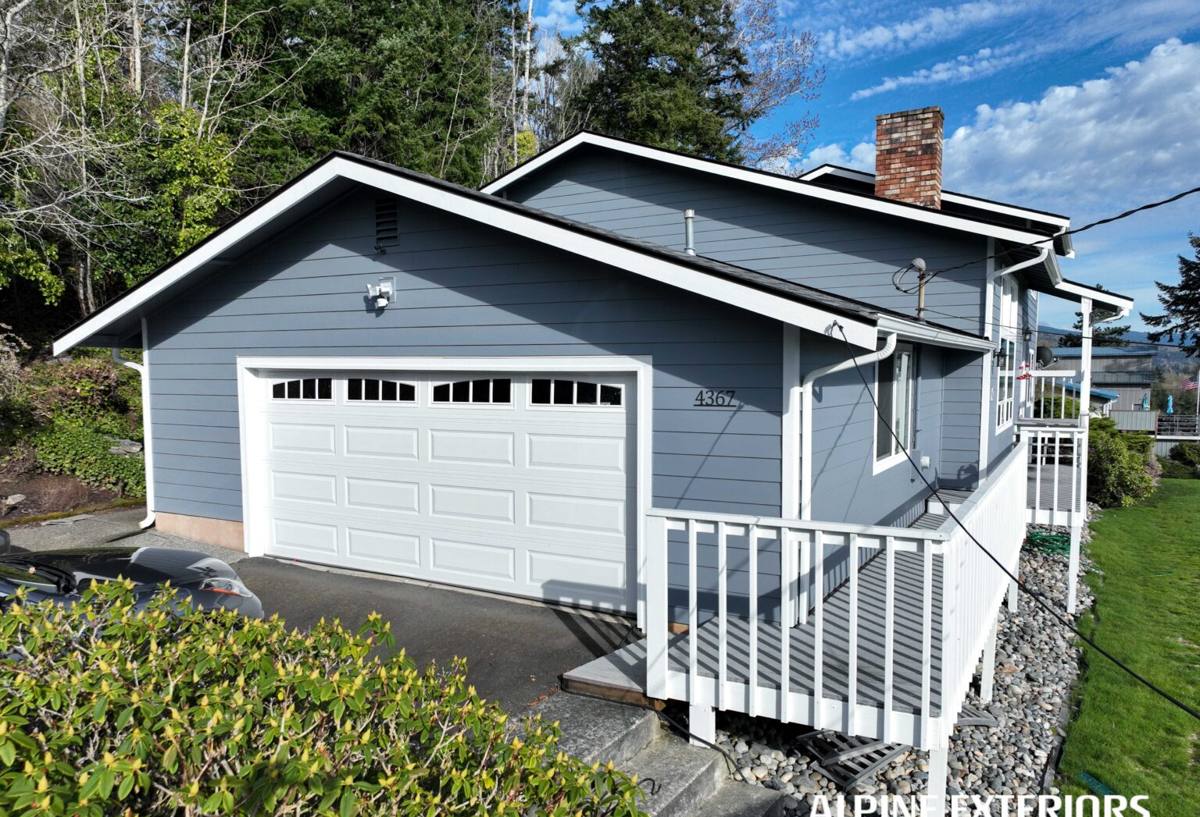
How to Tell a Deck Needs Replacing, Not Patching
Homeowners in this part of Bellingham often wait too long to address deck problems because the damage hides under decking boards or behind skirting. A few signs tend to show up consistently on decks that have reached the end of their service life:
- Soft, spongy, or springy spots when you walk across the deck, especially near the house or stair landings
- Visible gaps, rust streaks, or staining around ledger board fasteners where the deck meets the house
- Persistent moss or black-green algae growth that returns within weeks of cleaning
- Support posts that show rot at the base, where they sit closest to standing moisture
- Railings that flex or wiggle under normal pressure
- A deck more than 20-25 years old that has never had the framing inspected
Any one of these on its own might point to a targeted repair. Several together — particularly ledger board deterioration combined with soft framing — usually means the structure has been absorbing moisture for years and replacement is the more honest recommendation.
What a Correct Deck Replacement Actually Involves
The Ledger Connection
The ledger board — where the deck attaches to the house — is the single most common failure point on decks in wet coastal climates like ours, and it's also the most consequential one, since it's a structural connection. A correct replacement means proper flashing between the ledger and the house sheathing, lag bolts or through-bolts rated for the load, and a gap or drainage detail that keeps water from sitting against the house wall. This is not a place to cut corners, and it's not always visible once the decking goes back down, which is exactly why it matters who does the work.
Footings and Framing
Whatcom County's clay-heavy, often saturated soils mean footings need to be set to the correct depth and bear properly, especially on sloped lots that are common around Sehome. We use joists and beams sized correctly for the actual load and span, not just what fits the budget, and we space them to match the decking material's actual requirements — composite and PVC decking often need tighter joist spacing than wood to avoid flexing over time.
Fasteners and Hardware
Salt air corrodes standard fasteners faster than most homeowners expect. We use stainless steel or coated fasteners rated for coastal exposure, along with corrosion-resistant joist hangers and structural connectors. This is a small cost difference at the time of construction and a large difference in how the deck ages over the next 15-20 years.
Choosing a Decking Material for This Climate
There's no single "best" decking material — there's a best fit for how you use the deck, your budget, and how much upkeep you're willing to do. Here's how the common options actually compare under Bellingham's rain and moss conditions:
| Material | Moisture & Moss Resistance | Maintenance | Typical Lifespan |
|---|---|---|---|
| Pressure-treated wood | Fair — needs sealing to resist moisture and moss | Annual cleaning and re-sealing recommended | 10-15 years |
| Cedar | Good natural resistance, but still needs finish upkeep | Periodic staining/sealing to prevent graying and moss | 15-20 years |
| Composite | Very good — resists rot, but surface can still host algae if not cleaned | Occasional washing, no sealing needed | 25-30 years |
| PVC/vinyl decking | Excellent — non-porous, minimal moss adhesion | Low — periodic rinsing | 25-30+ years |
We'll walk through these trade-offs honestly during your estimate. Wood costs less upfront but asks more of you every year. Composite and PVC cost more initially but hold up better against the specific combination of rain, humidity, and moss pressure that Sehome sees for most of the year. Neither is wrong — it depends on how much annual maintenance fits your life.
Our Deck Replacement Process
- On-site inspection. We assess the existing deck, ledger connection, footings, and framing to confirm replacement is the right call and identify anything hidden that repair estimates often miss.
- Honest scope and estimate. You get a clear breakdown of what's being replaced, what materials are involved, and why — no vague line items.
- Removal and disposal. Full removal of the old deck, including checking for damage to the house wall or sill behind the ledger.
- Structural rebuild. New footings where needed, properly sized framing, correct ledger flashing, and corrosion-resistant hardware throughout.
- Decking and railing installation. Installed to the material manufacturer's spacing and fastening specs, not generic guesswork.
- Final walkthrough. We check the deck with you before calling the job done, including drainage and any transition points near the house.
Permits and Local Considerations
Deck replacements involving structural changes, height above a certain threshold, or ledger reattachment typically require a permit from the City of Bellingham, and setback rules can come into play depending on your lot in Sehome. We handle the permit process as part of the job rather than leaving it to the homeowner to figure out, and we build to code, not just to what would pass a casual glance. This matters most at resale — an unpermitted deck rebuild can become a real headache when a home inspector or buyer's agent asks for documentation that doesn't exist.
Cost Factors Homeowners Should Understand
Deck replacement pricing varies widely based on size, material, and how much structural work is needed, so we won't quote a number here that wouldn't hold up once we actually see your deck. What we can tell you is what drives the cost up or down:
| Factor | Effect on Cost |
|---|---|
| Deck size and shape (multi-level, angles, built-in seating) | Larger, more complex layouts increase labor and material |
| Decking material chosen | Wood is lowest upfront; composite and PVC cost more but reduce long-term maintenance spend |
| Footing and framing condition | Extensive footing replacement or slope grading adds cost beyond a straightforward swap |
| Railing style and code requirements | Cable, glass, or custom railing systems cost more than standard baluster railing |
| Height above grade | Taller decks may need additional structural support and stair complexity |
The most reliable way to get an accurate number is an in-person look at the site — we'll give you a range and explain exactly what's driving it, without inflating the scope to pad the bill.
Maintaining a Deck After Replacement
A properly built deck still needs some seasonal attention to get its full lifespan out of Bellingham's climate. A short checklist we give clients after every replacement:
- Sweep debris and standing leaves off the deck regularly through fall — trapped moisture under leaf litter is what starts moss growth
- Rinse or lightly scrub the surface in early spring before moss gets a foothold for the wet season
- Check railing connections and stair fasteners annually for any looseness
- Reseal wood decking on the manufacturer's recommended schedule — don't wait until it looks gray and dry
- Keep gutters and downspouts near the deck clear so runoff isn't draining directly onto the structure
- Watch the area where the deck meets the house for any staining or gap changes, which can signal a flashing issue starting early
Why It Matters That We Work in Sehome Specifically
Deck problems in this neighborhood follow patterns tied to its proximity to the bay, its tree cover, and the moisture load that Whatcom County carries most of the year. A crew that already works decks in and around Sehome knows which framing details tend to fail first here, how much moss pressure a given orientation and shade level will see, and what drainage and flashing choices actually hold up through a Bellingham winter rather than just looking right on installation day. That local pattern recognition is the difference between a deck that needs attention again in five years and one that's still solid in twenty-five.
If your deck is showing signs of wear, feels unstable, or you're just not sure whether repair or replacement is the right call, we're happy to take a look and give you a straight answer. Reach out for a free, no-pressure estimate using the form below.